
What’s in this Article
- Choose your fit goals before you measure
- Set up your space for accurate numbers
- Recommended gear (optional)
- FAQ
- Online shopping checklist that keeps returns low
- Troubleshooting common fit issues
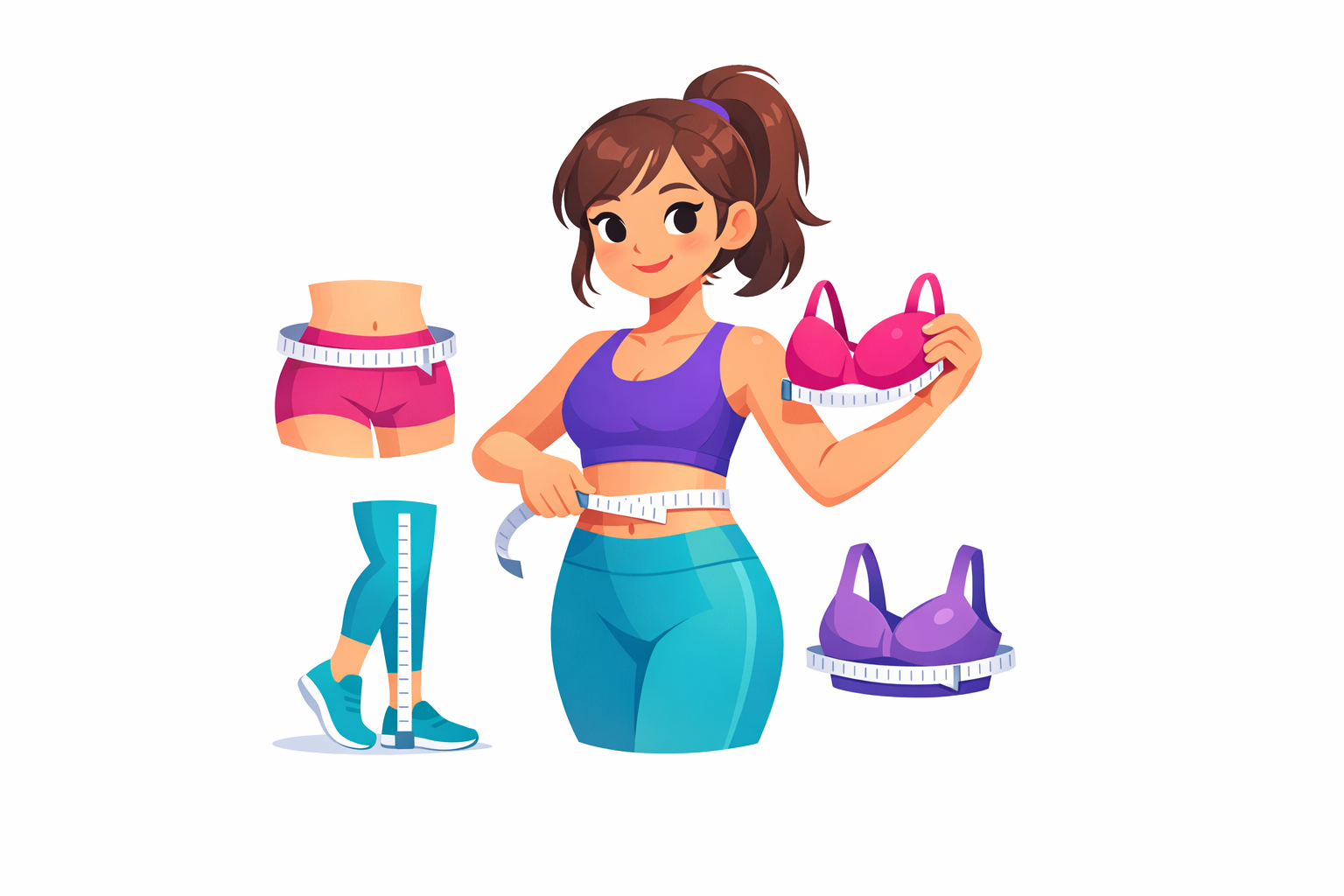
Finding the right size in activewear should be simple. We want leggings that stay put, bras that support, and tops that do not ride up when we lift our arms. This guide shows us how to measure our waist, hips, inseam, band, and cup so we can match numbers to size charts with confidence.
It is for any of us who train, walk, lift, yoga, or chase kids around the park. If you are between sizes, curvy, petite, tall, pregnant, or postpartum, these steps will help you dial in a fit that feels good and performs.
Success looks like this. We finish with clean measurements in inches and centimeters, written down in one place. We know our fit goals before we start. We can pick sizes that give the right compression, full coverage in a squat, no strap dig, and a waistband that does not roll. We can move without constant adjusting.
Quick heads up on limits. Bodies change through the month, during heat, and with training volume. Cotton-heavy fabrics can shrink, while high stretch fabrics can relax a bit after a few wears. We will call these out so your numbers work in real life.
Do this first: grab a notepad on your phone, make a new note called Activewear Sizing, and create five lines for bust, underbust, waist, high hip, and full hip. We will fill them in together.
Choose your fit goals before you measure
Compression or all-day comfort
Think about how you plan to wear each piece. For high impact runs or HIIT, we usually want firm compression and high support. For yoga, strength days, or errands, moderate compression or a relaxed fit can feel better. Decide your goal so your numbers map to the right size. Criteria to weigh:
- Support vs bounce control in bras
- Range of motion without pinching
- Breathability and heat build up
- Coverage in deep bends and squats
Plan your layers and workouts
If you will layer a fleece or shell over a base, allow space so seams do not bite when you bend. If you train in heat, prioritize ventilation and sweat wicking over heavy compression. If you run at night with a phone belt, leave a bit of room at the waist so the belt sits flat.
Know how fabric behaves
Four-way stretch with good recovery snaps back and holds shape. Brushed fleece feels cozy but can run warmer. Cotton blends breathe well but may shrink after the first wash. Edge case to keep in mind: if your weight or cycle fluctuates, choose the size that fits on your larger days, or plan one performance size and one comfort size for different sessions.
Set up your space for accurate numbers
Tools that make it easy
Use a soft measuring tape, a full length mirror, and a notepad. A friend helps for the bust and back measurements. No tape at home? Use a non-stretch string and a ruler. Micro-step: tie a thin ribbon around the narrowest part of your waist. That marks your natural waist for every step that follows.
Timing and posture matter
Measure at the end of the day when mild bloat or swelling is most likely. Stand tall with feet hip width apart. Keep weight balanced, core relaxed, and breathe normally. Do not suck in or twist. Take each number twice and average them if they differ.
What to wear while you measure
Wear a thin sports bra without heavy padding and seamless underwear. Avoid thick seams or pockets that add bulk. If you are between bra sizes, take one set of numbers in your lighter bra and one in your everyday training bra so you can compare support needs.
Recommended gear (optional)
You can nail every measurement with a soft tape, a mirror, and what you already own. No need to buy anything new. If you want a few handy pieces for layering checks or fit references, here are options we like to use.
Layering check for petites
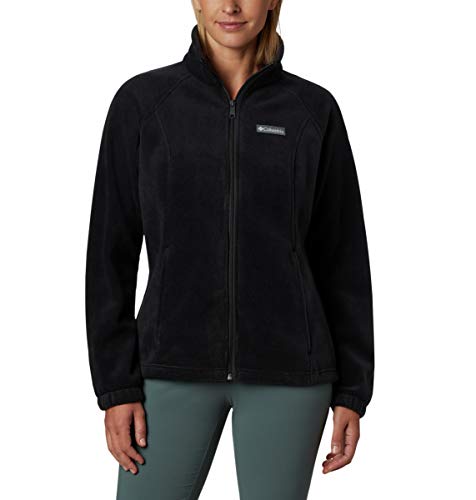
Women’s cozy, trail-ready fleece with soft MTR fabric, classic fit, full-zip, and secure pockets—great for chilly walks or hikes. See sizes and colors.
$45.50 on Amazon
Price and availability are accurate as of 03/08/2026 05:01 pm GMT and are subject to change.
A petite full-zip fleece is great for testing layering space over a base top. Zip it over your sports bra or tee, then reach and twist to confirm shoulder and bust mobility before you lock in your chest, underbust, and torso measurements.
Cozy layer for walkers

Cozy up in a long, lightweight fleece with a warm hood, zip pockets, and a two-way front zip for easy layering—great for chilly commutes or weekend walks.
$45.50 on Amazon
Price and availability are accurate as of 03/08/2026 05:02 pm GMT and are subject to change.
A long fleece hoodie helps you see how tops and bras sit under a thicker layer. Toss it on after measuring bust and underbust to confirm you still have room across the chest and shoulders when you plan to add a jacket or fleece.
Mix-and-match base set

Soft, stretchy set that breathes and wicks sweat—plus an adjustable, supportive bra. Moves with you and resists pilling, so it stays looking new. Check colors/sizes.
$66.85 on Amazon
Price and availability are accurate as of 03/08/2026 05:03 pm GMT and are subject to change.
A 5-piece workout set gives you multiple top and bottom silhouettes to test compression vs comfort. Use the long-sleeve and leggings to compare rise and torso length, then swap pieces to feel how stretch impacts waist, hip, and thigh measurements.
Longline layer for coverage

Cozy, longline fleece with hood keeps you toasty on chilly days. Two-way zip to vent or bundle up, plus zip pockets – easy pick for everyday warmth.
$45.50 on Amazon
Price and availability are accurate as of 03/08/2026 05:04 pm GMT and are subject to change.
A long fleece hoodie lets us verify how hip and seat measurements translate under a longer top. After measuring full hip, throw this on and sit, squat, and walk to confirm the hem does not bind at the glutes or ride up.
Petite zip fleece layer
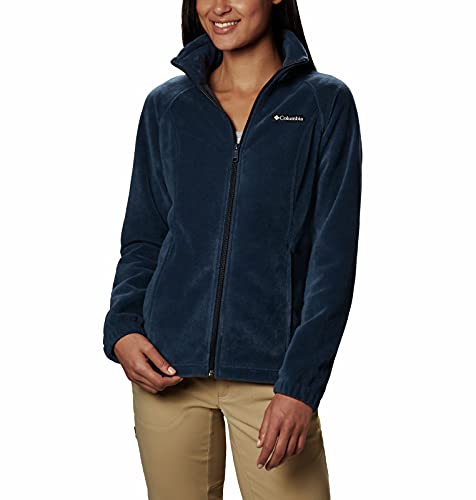
Ultrasoft, lightweight fleece with a classic fit, full zip, and secure pockets. Cozy for chilly walks or layering. See colors and sizes to find your match.
$45.50 on Amazon
Price and availability are accurate as of 03/08/2026 05:05 pm GMT and are subject to change.
A petite full-zip fleece makes it easier to see true sleeve length and shoulder fit on smaller frames. Wear it over your base after you record bust and underbust to make sure your layering plan still allows free reach and twist.
XS petite midlayer
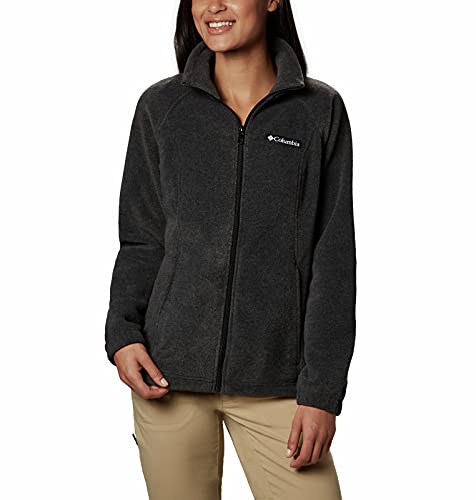
Cozy, lightweight warmth with zip pockets and a classic fit—this Columbia fleece layers easily for chilly walks or travel. Comfy range of motion. Peek colors and sizing.
$45.50 on Amazon
Price and availability are accurate as of 03/08/2026 05:06 pm GMT and are subject to change.
An XS petite fleece is handy when we want a snug midlayer to test over a fitted base. It helps reveal if our chest and upper back numbers are accurate once we add a realistic second layer.
Jogger set for inseams

Cozy, breathable two-piece: relaxed top + wide-leg drawstring pants (pockets!). Easy to layer for lounge or travel. Pick your color.
$18.99 on Amazon
Price and availability are accurate as of 03/08/2026 05:07 pm GMT and are subject to change.
A zip sweatshirt and jogger combo is perfect for lower-body measurements. Use the joggers to map high hip, full hip, thigh, calf, and inseam. Roll the cuff to test different inseam looks, then note the relaxed vs snug feel at each landmark.
Wirefree everyday support

All-day comfy T-shirt bra: wireless, lightly padded, and breathable. Adjustable fit, wide back for support, and stays put—no roll-ups. Machine washable. Worth a look.
$5.99 on Amazon
Price and availability are accurate as of 03/08/2026 05:08 pm GMT and are subject to change.
A wirefree, push-up, full-coverage bra gives a comfortable baseline for bust and underbust measuring. Wear one cup size you know well, then measure around the fullest part of your bust and directly under the bust to refine band and cup targets.
Underwire fit reference

Comfier-than-no-bra T-shirt bra with flexible underwire, front-adjust straps, and instant racerback. Breathable and ready for work, weekends, whatever. Worth a look.
$27.00 on Amazon
Price and availability are accurate as of 03/08/2026 05:09 pm GMT and are subject to change.
A T-shirt bra with flexible underwire and breathable mesh wings is a solid fit reference when you plan to wear structured bras under active layers. Measure band and bust while wearing it to see how underwire shape affects your final numbers.
Snug set for mapping

Soft, breathable two-piece set with loose long sleeves and wide-leg drawstring pants (with pockets!). Easy to layer, comfy from lounge to travel—pick your fave color.
$16.99 on Amazon
Price and availability are accurate as of 03/08/2026 05:10 pm GMT and are subject to change.
A striped long-sleeve and bodycon pants set lays close to the body, which helps us spot natural waist, high hip, and full hip lines. Use the stripes as quick visual guides while you position the tape and mark rise points.
High-waist fit tester
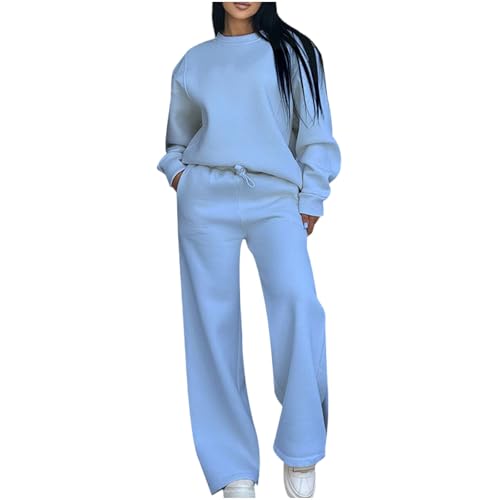
Cozy, breathable 2-piece set with a relaxed fit, wide-leg drawstring pants, and pockets. Easy to mix, travel-ready, and lounge-friendly. See colors to find your vibe.
$22.99 on Amazon
Price and availability are accurate as of 03/08/2026 05:11 pm GMT and are subject to change.
A fleece sweatsuit with a high-waist drawstring pant helps confirm where your true waist sits and how high-rise bottoms will feel. Cinch gently, find the narrowest point, and record natural waist and rise without guesswork.
Modesty for try-ons

Go bra-optional with these 100% silicone nipple covers: smooth, reusable (10-20 wears), and discreet under backless or plunge styles. Includes a pouch. Worth a peek.
$14.99 on Amazon
Price and availability are accurate as of 03/08/2026 05:12 pm GMT and are subject to change.
Reusable silicone nipple covers make bra-free measuring and try-ons more comfortable. Use them when you measure bust without a bra so you can see true contour lines under fitted tops and longline bras.
FAQ
Setup and timing
How tight should the tape be?
Snug, not squeezing. We should be able to slide one finger under the tape. Stand tall, relax the shoulders, and breathe normally. Keep the tape level all the way around.
Should we measure in the morning or at night, and how often should we remeasure?
Evening is better because we carry a little more fluid then. That helps avoid surprise tightness in leggings and bras. Remeasure every 2 to 3 months, or after weight changes, new training phases, or cycle shifts that change how we bloat.
Common mistakes
My leggings roll down or look sheer even though the chart says I’m in range. What went wrong?
We likely measured the low waist instead of the natural waist, or picked a rise that does not match our torso length. Check natural waist and full hip again, keep the tape level, and note the rise on the size chart. For sheerness, size up or choose more coverage fabric. Do a squat test in natural light.
Fit troubleshooting and safety
How do we know compression is too tight to be safe?
We should breathe and move without strain. Red marks that last, tingling, numbness, or wedgies that we fight all day mean it is too tight. For bras, two fingers should fit under the band. No spillage or wire on tissue. If in doubt, go up a band or pick lower compression.
You did the work. You set up, stood tall, and measured what matters. Now you have real numbers for bust, underbust, waist, hips, rise, inseam, thigh, and calf. That is your fit map.
The goal is not a perfect number. It is a confident try-on with fewer surprises. Use the tape as a guide, then listen to your body. Bend. Squat. Reach. Breathe. If you feel secure and forget you are wearing it, that is your fit.
Sizing varies by brand and by fabric. That is normal. If your measurements land between sizes, choose based on your plan. Want compression for high impact days. Go a touch smaller. Want all day comfort or are in between seasons. Go a touch bigger. If your weight is shifting or you are postpartum, revisit your measurements in a month.
Online shopping checklist that keeps returns low
Choose your size with intent
- Compression or comfort. If you like a hugged feel for runs or HIIT, pick the size that matches the smaller of your waist or hip numbers. If you want lounge friendly leggings, use the larger number.
- Layering plan. If the piece will go under a fleece or jacket, prioritize low bulk and smooth fabric. If it is the top layer, you can size for comfort.
- Support level. For bras, match band to your snug underbust. Cup coverage depends on full bust. Between cups. Size up if tissue spills. Size down if gapping.
- Length choice. Inseam matters. If you are tall, compare brand inseams to your measured inseam or prefer full length. If you are petite, 7 to 8 inch bike shorts often hit mid thigh. Crops may read full length.
- Fabric truth. Four way stretch forgives. Cotton blends may relax with wear but can shrink if dried hot. Brushed fleece feels cozy yet can warm up fast in class.
Action plan for checkout
- Pull up the size chart and find the row that matches your bust, underbust, waist, and full hip. Circle the column your numbers fall into most often.
- Read any fit notes. Look for words like compressive, relaxed, longline, high rise, tall, or petite.
- Check model info if shared. Compare her height and size to your own to predict length and rise.
- If between sizes for leggings, pick based on hip first. That is where fit fails most. For bras, band first, then cup.
- Buy two sizes only when returns are easy. Try both at home with clean skin and underwear, then keep the one you move best in.
- Snap a quick mirror pic from the side during try on. You will catch sliding waistbands and strap placement better than by feel.
Fabric and care notes
- Expect slight give during wear for high stretch knits. If leggings feel perfect out of the bag, they may soften after a few workouts.
- To avoid shrink on cotton blends, wash cold, hang dry. If you like a firmer feel, a gentle tumble can tighten the knit a touch.
- Shiny or slick fabrics show sweat and lines more. Matte and brushed knits hide texture and feel softer.
Troubleshooting common fit issues
Leggings slide down or you keep tugging the waist
- Check rise. Your torso length may need a higher rise. Measure from front waistband over the hip to back waistband on a pair that stays put and match that to product notes.
- Hip first. If your full hip is bigger than the size chart suggests, size up or choose a fabric with more stretch.
- Waistband construction matters. Seek a wide, double layer waistband with inner elastic. If notes say fold over or soft waist, expect less grip.
Bra band digs, rides up, or straps slip
- Band digs. Size up in the band or try a wider band style. The band does most of the support, so it should be snug but not painful.
- Band rides up. The band is too big. Go down in the band and up in the cup if needed to keep volume the same.
- Straps slip. Shorten straps, then check cup coverage. If tissue is not fully contained, try a higher neckline or a cup size up.
Front seam lines, camel toe, or smile wrinkles
- Look at the crotch gusset. A triangle or diamond gusset reduces pressure at the front seam. If there is no gusset, expect more pulling.
- Size and rise. If vertical wrinkles form from the hip to thigh, the size may be too small or the rise too short. If horizontal wrinkles stack at the hip crease, try a size up or a more flexible fabric.
- Underwear choice. Seamless or a thin thong reduces friction. For long runs, try no show performance briefs.
Thigh squeeze or shorts ride up
- Measure thigh at the fullest point. Compare to the garment leg opening if listed. Choose a style with a longer inseam or grippy hem if your quads are strong and curvy.
- Fabric recovery. Lightweight, slick knits creep. A brushed or ribbed texture grips better and stays put during sprints.
Calf pinch or leggings bunch at the ankle
- If calves feel tight, choose a fabric with higher spandex or a jogger with a cuff. For bunching, pick a shorter inseam or a 7/8 length.
A quick decision recap
- Need performance compression. Choose the size that matches your smaller measurement, prioritize high spandex, and look for high rise and wide waistbands.
- Want all day comfort. Choose the size that matches your larger measurement, pick matte or brushed fabric, and consider mid rise or longline tops.
- Planning to layer. Keep pieces thinner and close to body, then size outer layer for movement.
- Between sizes. Size down for support. Size up for comfort. For bras, band down or up with sister sizing if cups exist in that range.
Two caveats to keep in mind
- If you are postpartum or your weight is changing, remeasure every 30 days and buy adjustable features like hook bands or drawcord waists.
- If you are much taller or shorter than average, rely on your inseam and rise numbers over standard size labels. Look for tall or petite notes.
You have your map and you have a plan. Save your measurements in your phone, note your favorite fits, and update as your training changes. The right fit lets you focus on your goals, not your clothes.
Leave a Comment