
What’s in this Article
- Start with your workout, climate, and comfort goals
- Fabrics that keep you dry and moving
- Recommended picks (optional)
- FAQ
- Your quick shopping checklist
- FAQs we hear a lot
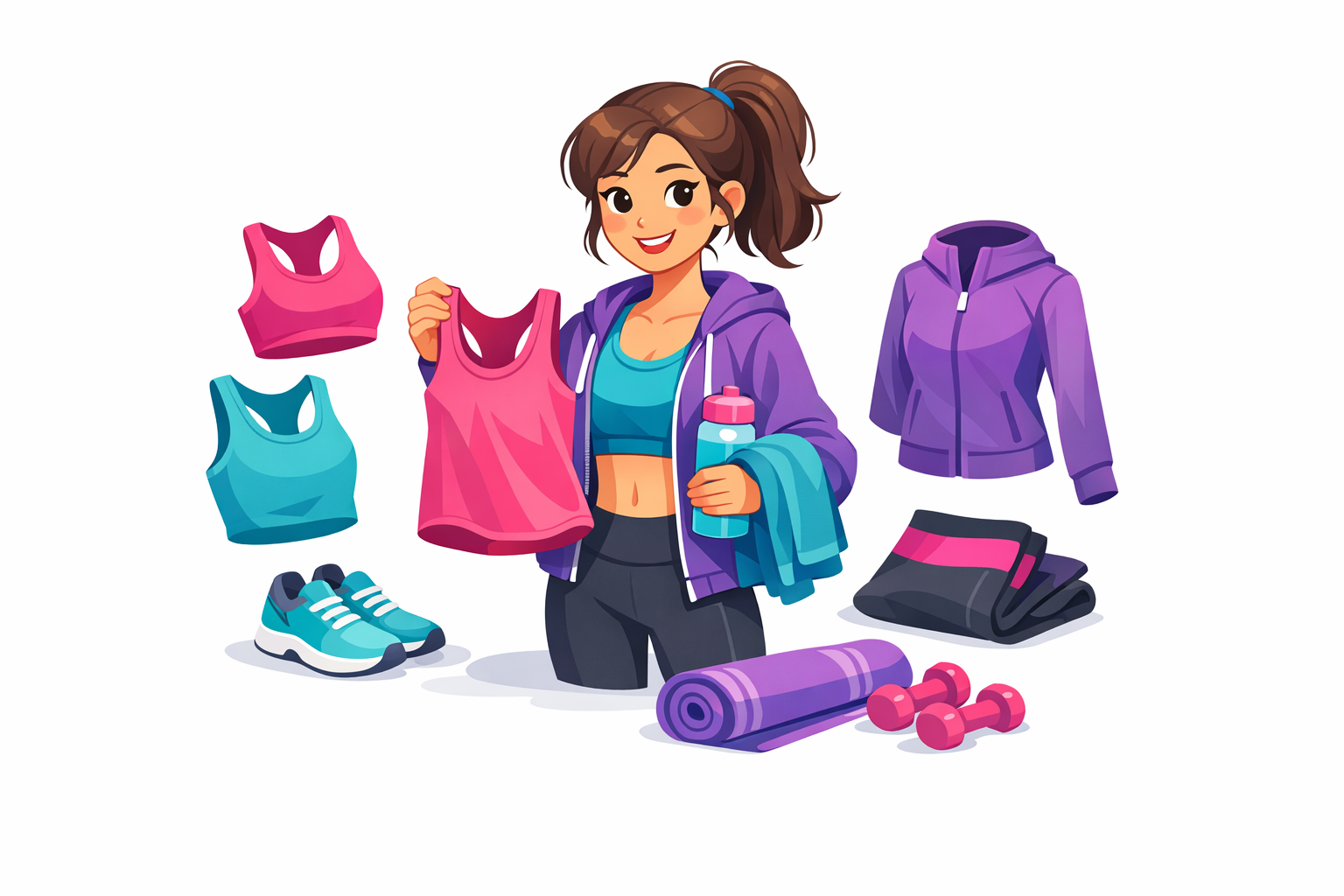
Getting dressed for a workout should feel simple. We want a top that moves with us, keeps sweat under control, and layers that work from warmups to cooldowns. The right pieces help us focus on the reps, not the tugging and overheating.
This guide breaks down workout tops and easy layers so we can feel cool, covered, and confident. We will map choices to our workouts, our climate, and what comfort means to us on a real day.
We will share quick at-home tests, what fabric labels actually tell us, and how necklines and sleeves change range of motion. We will also call out a few real limits. For example, no fabric feels dry in 95 percent humidity. Cotton is cozy but it will hold sweat during a long run.
If you do one thing before shopping, try this: pick your next week’s workouts, note the forecast, and write one line about how you want to feel. Cool and breezy for spin. Sun safe for a long walk. Covered and supported for strength day. That single note will steer better than any trend.
Start with your workout, climate, and comfort goals
Do this first: a 2-minute closet check
- Pull two current tops you already own.
- Do 10 squats, 10 arm circles, and a 20 second plank. Notice ride-up, sleeve bite, and neck gaping.
- Press the fabric against your lips and blow. Easy airflow usually means better breathability.
- Hang the tops. If one dried by the end of a shower, it likely wicks and dries faster.
Match your top to your training
- Strength days: aim for a top that stays put when you hinge and overhead press. Higher necklines and wider straps keep coverage when we lean or rack a bar.
- Cardio or HIIT: go for light, fast-drying fabrics with open backs or mesh zones. Fewer seams in high-friction spots reduce rub.
- Yoga and Pilates: soft, stretchy knits that recover well after deep bends. Cropped or longline lengths that do not flip during inversions.
Factor in climate and sweat level
- Hot and humid: prioritize very light knits, open weaves, and quick dry time. Even the best fabric will feel damp in peak humidity, so choose pieces that do not cling when wet.
- Cool or windy: look for slightly denser knits and easy layers you can peel. Thumbholes or longer sleeves help on chilly mornings.
- High sun: consider tops with close-knit fabric for better coverage. Add a breathable layer with a collar or hood for midday walks.
Fabrics that keep you dry and moving
Read the label with purpose
When we skim a tag, we look for:
- Wicking and dry time. How fast does it move sweat and feel dry again.
- Breathability. Can air pass through the knit or mesh.
- Stretch and recovery. Does it return to shape after a deep lunge.
- Opacity. No see-through under bright gym lights.
- Seam placement and chafe risk. Flat seams or bonded edges where straps or packs sit.
Common fabric behaviors in real life
- Technical knits move sweat, but not all feel the same. A looser knit breathes more, a tighter knit covers more. If we need both, we look for panels that mix the two.
- Cotton blends feel soft and can be fine for low sweat days. For long runs or spin, they hold moisture and can chill us after we stop.
- Ribbed knits stretch a lot. Great for yoga, but check recovery so elbows and hems do not bag out by week two.
Care, comfort, and skin
- Wash cool and skip fabric softener. Softeners can block wicking.
- If our skin is sensitive, we avoid heavy textures on seams and look for tagless necks.
- If nipple show-through bothers us in cold gyms, we choose thicker fronts, double layers, or pair with a bra that adds coverage.
Recommended picks (optional)
A simple starter option

$12.10 on Amazon
Price and availability are accurate as of 03/30/2026 08:24 am GMT and are subject to change.
Great if you are building your first workout wardrobe and want one easy piece you can wear for walks, classes, or weekend errands. It keeps things simple so you can focus on moving, not adjusting.
A more advanced option

Stay cool and dry with this quick-dry, stretchy long sleeve. Flattering curved lines, easy coverage, and goes with everything – from yoga to errands. See colors/sizes.
$14.99 on Amazon
Price and availability are accurate as of 03/30/2026 10:40 am GMT and are subject to change.
Good if you are training more often or mixing cardio with strength and want something that feels streamlined. It fits into a small gym bag and pairs easily with most leggings or shorts.
A comfy everyday pick

Stay cool and comfy in this lightweight, sweat-wicking yoga top—stretchy neckline, tag-free comfort, racerback, and side slits for easy movement. Explore sizes.
$22.49 on Amazon
Price and availability are accurate as of 03/30/2026 08:26 am GMT and are subject to change.
Nice for anyone who prefers a relaxed, no-fuss feel that still looks put together. Reach for it on recovery days, light lifts, or when you want zero distraction.
A layering-friendly pick

Stay cool in a soft, quick-dry tank with a breezy mesh back and loose, layer-friendly fit. Perfect for sweaty sessions or casual days. Peek the details and colors.
$14.67 on Amazon
Price and availability are accurate as of 03/30/2026 02:28 pm GMT and are subject to change.
Useful if your studio runs cold or you like a quick layer for warm-ups and the walk home. Easy to throw on without competing with the rest of your outfit.
FAQ
Buying basics
Q: What is the minimum starter set of workout tops and layers?
A: Start with three moisture wicking tops. One tank, one short sleeve, one long sleeve. Add one light layer like a breathable zip jacket or hoodie. If you train outside in cool weather, add one warmer layer.
Q: Do we need compression tops as beginners?
A: No. Pick a regular wicking top that feels soft and moves with you. Choose compression only if you like extra hold or for runs and high bounce. Your sports bra gives the real support for impact.
Fit and sizing
Q: How should a workout top fit so it does not ride up?
A: It should skim the body, not cling hard or billow. Aim for a hem that hits mid hip or meets your high rise leggings. Do a jump and overhead reach test. If it lifts more than an inch, size up or pick a longer cut.
Care and longevity
Q: How do we wash workout tops to keep them fresh and last longer?
A: Wash cold and inside out soon after workouts. Use a small amount of detergent. Skip fabric softener. Air dry or low heat. For stubborn odor, soak in cold water with a little white vinegar, then rinse and wash.
If you remember one thing, let it be this. Build your tops and layers around your workout, your climate, and your comfort. Moisture wicking fabric keeps us dry. The right neckline, sleeve, and back design keep us moving. Length and fit keep us covered where we want it most.
Start simple. A breathable tank or tee for sweat. A light long sleeve or zip for chill or sun. Pieces that mix and match so you do not overthink it at 6 a.m. Wash them well and they will last.
Here is a quick decision recap. Cardio in heat needs light synthetics and mesh. Strength or studio can add softness and a longer hem. Outdoors wants sun coverage or a packable layer. Choose the neckline and sleeve that match your moves. If you are unsure on length, longline lands in the sweet spot for coverage without tugging.
Action plan for your next shop
- Pick your top two workouts this month and your climate.
- Choose one main fabric for each. Heat and sweat get synthetics. Mild days can add a soft blend.
- Decide your coverage zones. Bust, belly, and back. Note your must haves.
- Choose a neckline and back that free your movement.
- Pick lengths that meet your waistband. Crop, longline, or hip.
- Add one layer that works across seasons.
- Check return policy and size charts. Order two sizes if you are between.
Your quick shopping checklist
Fabric and breathability
- Look for polyester or nylon blends with spandex for stretch.
- Choose mesh or perforations at high sweat zones like upper back and underarms.
- Skip heavy cotton for hard cardio. Save it for low sweat days.
- If you have sensitive skin, try softer brushed synthetics or blends with a touch of cotton.
Fit and coverage
- Test for ride up by lifting arms and doing a quick twist. The hem should not fly over your ribs.
- Check gaping at the armholes. You want airflow without full side exposure unless you plan to layer.
- For bigger busts, racerback or wide straps help keep tops centered during impact.
- For postpartum or belly coverage, longline or split hem tees give room without clinging.
Layers by climate
- Hot gym days: airy tank or cap sleeve over a supportive bra. Add a super light long sleeve only for transit.
- Outdoor sun: UPF long sleeve or a thin overshirt with a high neck and thumbholes. Vent panels are a plus.
- Chilly mornings: breathable base plus a light zip or half zip you can take off after warm up.
Care and durability
- Wash cold, inside out, and skip fabric softener. It can block wicking.
- Air dry when you can to protect stretch and fit.
- Rotate between a few tops so seams and elastic get a break.
FAQs we hear a lot
Do I really need moisture wicking fabric, or can I wear cotton?
You can wear cotton for walks and yoga. For runs, HIIT, or hot rooms, synthetics win. They pull sweat off your skin and dry fast. That means less cling, less chill after the workout, and fewer sweat marks.
How should I choose length if I do not like crop tops?
Try longline. It meets high rise leggings without constant tugging and still breathes better than a long heavy tee. If you prefer full hip coverage, look for split hems or curved hems that move with squats and lunges.
What sleeve style gives the most freedom to lift?
Racerback tanks and raglan sleeves tend to free your shoulders best. If you want sleeves but lift overhead a lot, raglan short sleeves or cap sleeves reduce seam rub at the shoulder.
How many layers do I need for outdoor runs?
For mild cold, two is enough. A wicking base and a light zip or wind layer. Add a third only if it is windy or you run cold. Focus on layers you can tie around your waist or stash easily.
My tops ride up when I run. What helps?
Look for grippy hems, longer back hems, or a slightly snugger band at the bottom. Pair with high rise leggings for overlap. Fabric weight matters too. Ultra light fabric can float up in wind.
What if I have sensitive skin or chafe easily?
Avoid rough seams and tight armholes. Look for flatlock stitching and smooth bindings. A dab of anti-chafe at underarms and along bra lines helps on long sessions. Rinse sweat salts out soon after workouts.
I am between sizes online. What should I do?
Check the size chart and look for garment measurements, not just letter sizes. If compression is new to you, go with the larger size first. Order two sizes if returns are easy. Try both with your usual sports bra and bottoms.
Edge cases to consider
- If you sweat a lot in humid heat, pick the lightest synthetics with open mesh zones. Skip heavy long sleeves even if they are labeled breathable.
- If you want extra modesty or are postpartum, prioritize longline lengths, higher necks, and looser overshirts. Comfort first while your routine settles in.
You have everything you need to put together a small, smart lineup. Keep it light, breathable, and easy to mix. The goal is simple. Feel cool, feel covered, and get moving.
Leave a Comment