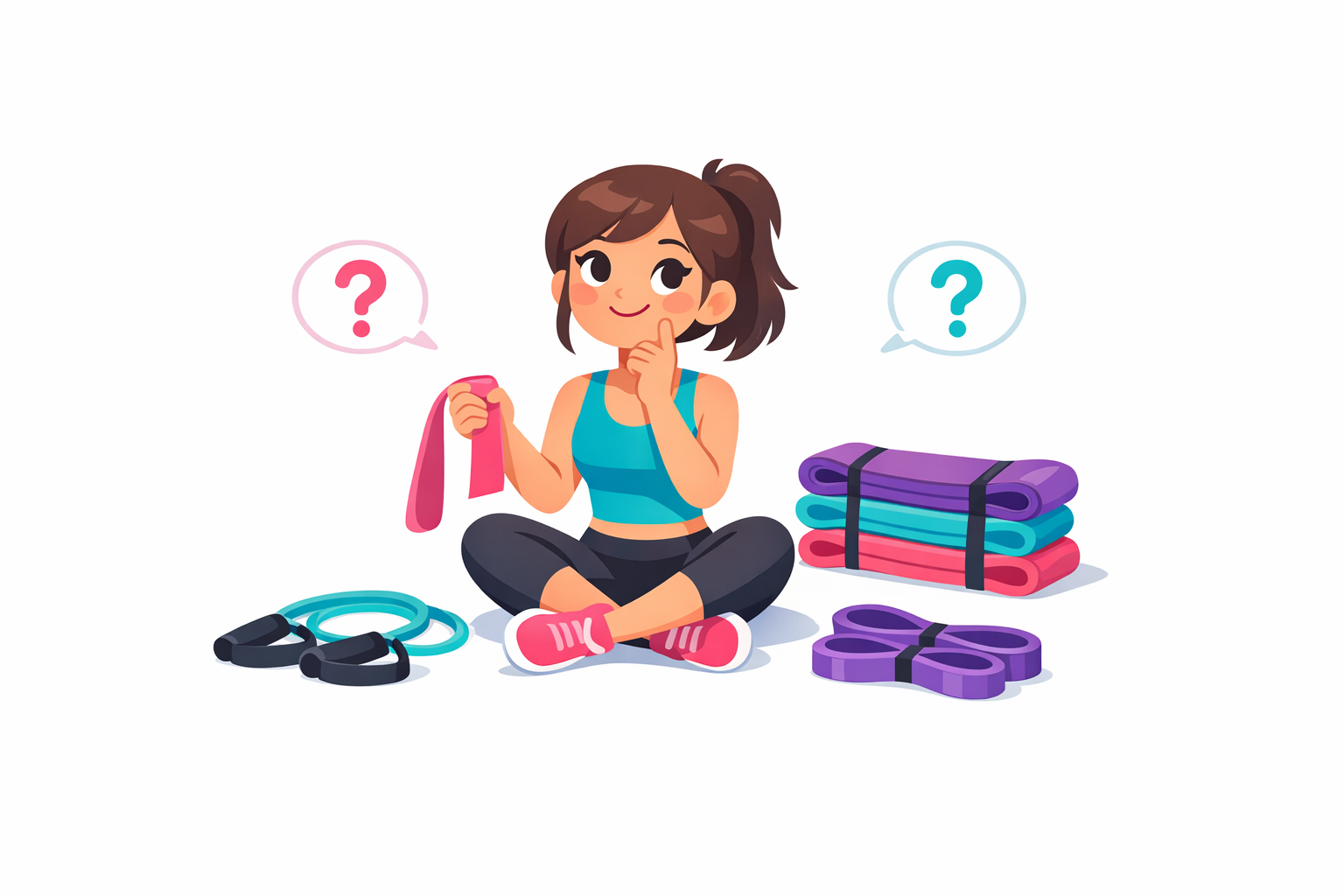

Trying to decide between a single resistance band or a 2 or 3‑pack? It matters more than we think. Pack size affects how many exercises you can do, how easily you can progress, and whether your band becomes a one‑trick pony or an everyday tool.
Singles make sense when you’re replacing a snapped favorite, working around an injury, or you only need one very specific tension for a move you love. Think glute activation before runs or a light therapy band for shoulder work. You get exactly what you want without extra clutter.
Quick Comparison
What’s in this Article
- How to choose the right set for your goals
- Safety, setup, and two quick beginner routines
- FAQ
- Your quick decision recap
- Keep going with resources and next steps
A 2‑pack or 3‑pack shines for most home workouts. We can warm up with the lightest band, lift with the mid band, and save the heaviest for lower body or strength days. It also saves drama when more than one person in the house wants to exercise. One pack, everyone gets their level.
What we look at to make the call: resistance range and how it actually feels through the movement, band length and width, material and comfort against skin, accessory quality like door anchors or handles, durability and warranty, and how the pack scales as you get stronger. Real talk, bands can roll during thigh moves and latex can bother sensitive skin. Those little comfort details change how often you’ll reach for them.
By the end, we’ll give you a clear recommendation by persona. Beginners who want one set that covers full body. Runners managing cranky knees. Strength‑focused women who need heavy tension for glutes and hamstrings. Households sharing gear. And travelers squeezing in workouts between meetings. Quick win while you read: if you can do more than 15 controlled bodyweight squats and 10 pushups, you’ll outgrow a single light band fast. Start with a 2 or 3‑pack.
How to choose the right set for your goals
Start with your strongest move
- Pick the band that matches your strongest lift, then scale down for smaller muscles. Lower body needs the most resistance, back and chest are mid, shoulders and arms are lighter.
- Quick test. If a bodyweight squat feels easy for 15 reps, plan for at least a medium and a heavy band in your pack. If 10 pushups are tough, you’ll appreciate a light band for upper body assistance.
- If you’re rehabbing or postpartum, anchor around the lightest band you can move smoothly for 12 to 15 reps without pain or breath‑holding.
Choose by scenario
- New to bands and want full body: 3‑pack. You’ll cover warm‑up, main sets, and progression without hitting a wall in two weeks.
- Already lift and just need activation: single light loop for glutes and shoulders.
- Building strength at home with minimal gear: 3‑pack of tube bands with handles and a door anchor. Handles help you load rows, presses, and deadlifts.
- Small space or travel: 2‑pack of loops. One light, one medium. They fit in any carry‑on and cover mobility plus a quick strength circuit.
- Sharing with a partner or teen: 3‑pack. Different bodies, different tensions. Everyone gets a fit without arguing over the one good band.
- Rehab or pain‑sensitive shoulders: single therapy band or a very light tube band. Extra stretch length helps you keep form clean.
Watch‑outs and edge cases
- Latex sensitivity. Choose fabric loops or latex‑free options to avoid skin irritation and that rubber smell.
- Band roll and pinching. Wider fabric loops are comfier on thighs but offer less stretch. For deep range moves like hip hinges, a narrower, stretchy loop may feel better.
- Anchor safety. Door anchors need to sit on the hinge side of a closed, solid door. If your doors are hollow or loose, stick to loop bands until you have a safe anchor point.
- Height and limb length. Very tall users may bottom out short therapy bands during presses. Look for longer tube sets or longer flat bands if you’re over 5’10”.
- Top‑end strength. Super strong lower bodies may outgrow light loop packs. Plan for a heavy loop or a stackable tube set to keep progressing.
Safety, setup, and two quick beginner routines
Set up safely at home
- Inspect first. If you see cracks, cloudy patches, or frayed stitching, skip that band.
- Anchor smart. Place door anchors on the hinge side of a closed door, pull to test security, then start light.
- Position matters. Keep the band path smooth. Avoid sharp edges and jewelry that can nick latex.
- Form cues. Neutral wrists, ribs down, slow on the way back. If the band slingshots you, go lighter.
- First rep rule. The first rep should feel controlled. If you’re fighting the band from the start, choose one step lighter.
Beginner mini routine: glutes and legs
- Banded glute bridge, 3 sets of 12. Loop above knees, press knees out gently as you lift.
- Standing lateral steps, 2 sets of 10 each way. Small steps, hips level.
- Squat to chair, 3 sets of 8 to 10. Loop above knees, tap the chair, drive through heels.
- Optional finisher. Slow banded hip hinge, 2 sets of 10, focusing on back‑body engagement.
Tip: If your loop rolls, move it slightly higher on your thighs or switch to a wider fabric loop for this routine.
Beginner mini routine: upper body
- Band pull‑aparts, 3 sets of 12. Light flat band or loop held between hands at chest height.
- Seated row with door anchor, 3 sets of 10. Neutral spine, squeeze shoulder blades together.
- Overhead press, 2 sets of 8 to 10. Stand on a light tube band, press with control, avoid arching your back.
- Triceps press‑down, 2 sets of 12. Anchor high, elbows close to ribs.
Do this first: try one set of each move with the lightest band you have. If the last two reps are shaky but clean, you’re in the right zone. If not, go up or down one band and retest.

Level up home workouts with a looped resistance band that grips hands/feet for easy full-body moves—great for strength, mobility, and rehab. Level 3 (green) heavy. No knots.
$12.79 on Amazon
Price and availability are accurate as of 03/12/2026 01:17 am GMT and are subject to change.
This pick is the simpler, grab-and-go option. It shines when you want a clean setup that lives in a drawer or suitcase and comes out fast for a focused workout. Think glute bridges, banded walks, rotator cuff work, and quick upper-back resets between Zoom calls. If you mostly repeat the same routine and you know your sweet-spot resistance, this keeps things easy and affordable.
Good for:
- Minimalist home gyms and travel
- Warm-ups and accessory moves
- High-rep toning and mobility work
Watch-outs:
- If your strength is climbing or you train multiple muscle groups, you may outgrow a single resistance and wish you had more range.

Level up strength or rehab with a 3-band heavy set. Latex-free, grippy 5′ flat bands offer more moves than loops, portable, color-coded, and ready to progress. Compare levels.
$16.95 on Amazon
Price and availability are accurate as of 03/12/2026 01:17 am GMT and are subject to change.
[[PRODUCT_COPYSTART_2]]
FAQ
Setup and care
What is the best way to clean resistance bands without ruining them?
- Latex or rubber: Wipe with a damp cloth and a drop of mild soap, then pat dry. Dust lightly with talc or cornstarch if they feel tacky. Keep out of sun and heat.
- Fabric loops: Machine wash cold in a laundry bag, then air dry flat. No fabric softener.
- Avoid alcohol wipes, bleach, and body oils or lotions right before use. They break down elastic faster.
My bands roll or pinch on my legs. How do I fix that?
- Place loops above the knees, not on joints.
- Go wider. Fabric bands are less likely to roll than narrow latex loops.
- Slow your reps and keep tension throughout the move.
- Layer two lighter bands instead of one heavy band if you need more resistance.
- Train over leggings or bike shorts for better grip.
Durability and replacement
How long do bands last and when should I replace one?
Most home users get 6 to 24 months. Heavy weekly use shortens that. Replace at the first sign of:
- Cracks, whitening, or cloudy spots when stretched
- Sticky or dry feel that does not clean off
- Thinning, uneven stretch, or frayed seams on fabric bands
Store them cool and out of direct sun. Rotate bands in a multi‑pack so one does not take all the wear.
Buying decisions and warranty
Do resistance bands come with a warranty and what should we look for?
Many brands offer 30 to 90 day returns and a 1 year limited warranty on defects. Read the fine print:
- Normal wear and tear is usually not covered
- Door anchors and clips may have separate coverage
- Some brands require registration or photos for claims
- Keep your order email and take a quick unboxing photo in case you need proof of condition
If you want the short answer, here it is. Buy a single band when you’re replacing a broken one, chasing a very specific resistance, or rehabbing. Go for a 2 or 3‑pack when you want progressive workouts, you share gear at home, or you like having a light band for warm‑ups and a heavier one for the main set. Most of us are happiest with a small pack that covers light, medium, and one heavier band for legs.
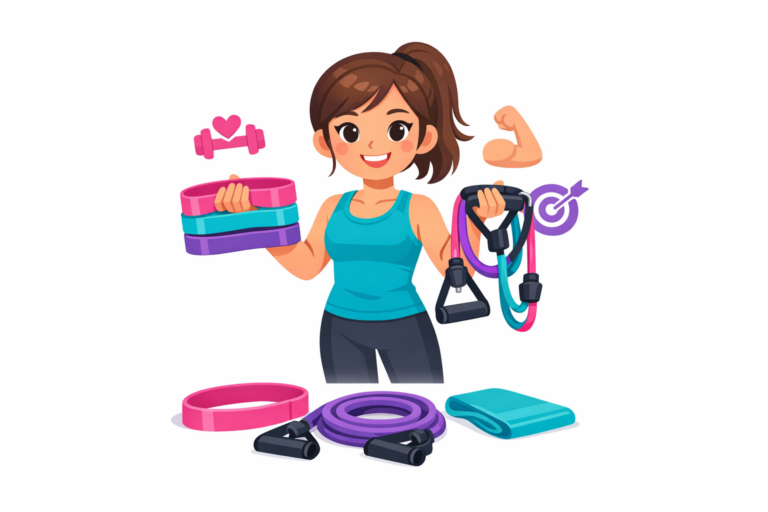
Band type matters too. Loop bands are simple and great for lower body and full‑body moves. Tube bands with handles feel more like cables and are easy on wrists for presses and rows. Flat therapy bands shine for rehab, Pilates, and gentle mobility. If you have a latex allergy, choose fabric loops or latex‑free TPE.
Real talk, skill beats gear. Start lighter than you think, nail your form, and add tension over time. Price per band is nice, but comfort, durability, and the right resistances for your body will get you better results.
A couple edge cases. If you’re very strong on lower body, you may outgrow basic light/medium packs and want a heavy loop or stackable tube system. If you’re tall or need more range for rows and presses, check band length and consider longer loops.
Your quick decision recap
If you work out solo or want one exact tension
- Choose a single band that matches your strongest exercise. For example, pick a medium‑heavy loop if your goal is glute bridges and RDLs, not just clamshells.
- Consider the band type you’ll use most. Loops for lower body and anchored pulls, tube with handles for presses and rows, therapy band for gentle work.
If you’re building a small home setup or share bands
- Grab a 2 or 3‑pack with clear, evenly spaced steps. Light for warm‑ups and isolation, medium for most upper‑body moves, heavy for legs.
- Make sure a door anchor and ankle strap are included or easy to add. This expands your exercise list fast without buying a cable machine.
If you’re rehabbing or brand new
- Start with a single light therapy band or a light/extra‑light multi‑pack. Prioritize softer materials, smooth resistance, and comfortable textures.
- Add a medium once your form is consistent and joints feel stable.
Today’s quick action plan
- Pick your band type based on your top 3 exercises.
- Choose a pack size that covers those moves with one lighter and one heavier option.
- Match resistance to your strongest lift so you are not under‑banded for legs.
- Add a door anchor if you want rows, presses, and face pulls without a rack.
- Keep a simple log. If you hit 12 quality reps easily two sessions in a row, move up one band.
- Inspect bands weekly for nicks and stretch lines. Replace at the first sign of damage.
- Store out of sun and heat to extend life.
Keep going with resources and next steps
Helpful internal guides
- Best Resistance Bands: our favorites for loop, tube, and therapy across budgets.
/guides/best-resistance-bands
- How to Choose Resistance Bands: materials, grip, and attachment basics in plain English.
/guides/how-to-choose-resistance-bands
- Exercise Bands Sizing & Resistance: what those “lbs” really mean and how to size by exercise.
/guides/exercise-bands-sizing-resistance
Save and share this guide
We’ve put everything about single vs multi‑pack bands in one place so you can come back any time. Bookmark the URL, share it with a friend, and you’re set. If you landed here from a product page looking for 1–3 piece band options, you’re in the right spot. This is the guide we recommend using to choose confidently.
Edge cases and caveats
- Heavy lifters and athletes: consider a heavy loop plus a medium, or a stackable tube set with a door anchor so you can combine bands for rows, presses, and hinges.
- Sensitive skin or latex allergy: stick with fabric loop bands or latex‑free TPE therapy bands. They’re smoother on skin and less likely to pinch.
- Small spaces or travel: a light and a medium loop pack fits in a toiletry bag and covers warm‑ups, mobility, and most upper‑body work.

Leave a Comment