
What’s in this Article
- What a dialed-in fit lets you do
- Measurements that actually matter
- Recommended picks (optional)
- FAQ
- Choose your next piece in 5 easy checks
- Quick answers to common fit questions
Finding activewear that truly fits can feel like a workout on its own. If you’re plus size, petite, tall, or a combo of those, the usual size chart doesn’t tell the whole story. We’ve been there. Tugging mid-squat, waistbands that roll, leggings that puddle or creep up. It kills your focus and your fun.
This guide breaks down what actually matters so you can move without thinking about your clothes. We’ll talk about the key measurements, the levers that change fit, and how to test pieces at home before you commit to them for class or the trail.
Our goal is simple. Less fidgeting. More confidence. And a repeatable way to pick sizes and cuts that work for your height and shape.
Sizing isn’t consistent across brands. Fabric blends can behave differently by color and print. If you’re plus-size petite or tall with a long torso, you might need to mix categories or hem. That’s normal. We’ll show you how to work around it.
Do this first: grab a soft tape, a notebook, and five minutes. You’ll take four quick measurements and use them through this guide. It makes everything easier.
What a dialed-in fit lets you do
Move without the fidget factor
Good fit means your leggings or shorts stay put when you squat, climb stairs, or jog. You should feel gentle hold at the waist, steady coverage over your seat, and zero pinch at the hip flexors. If you can lunge, stand, and jump in place without adjusting, the cut is working for you.
Feel supported, not squeezed
Compression should help your muscles without cutting off breath or range. You want smooth support through the waist and thighs with stretch that rebounds after a set. If the fabric turns sheer under a window squat test, or you get marks you can feel 10 minutes later, the fit or fabric weight is off.
Focus on form, not your outfit
When the rise matches your torso and the inseam matches your leg, everything else gets easier. You can hinge deeper, stride longer, and plank without your top and bottoms fighting each other. That confidence shows up in your reps and your consistency.
Quick checks we use every time:
- Waistband grip: two fingers under the band, comfortable but not loose
- Rise coverage: no spine peek when you hinge or row
- Opacity: bend toward daylight, fabric stays opaque at the seat
- Stretch and recovery: pull fabric and release, it snaps back with no ripples
- Pocket bounce: phone stays put during 30 seconds of stairs or jogging in place
Measurements that actually matter
The fast four to measure today
- Natural waist: the narrow spot above your belly button when you side bend
- Full hip: the widest point over your seat
- Body rise: front waist to back waist, passing between your legs with the tape snug
- Inseam: from crotch seam to ankle bone while standing tall
Write these down. They guide you more than a size label.
How to map numbers to cuts
- If your body rise is long, look for high or ultra-high rises that list the actual rise measurement. Mid rise can feel low on long torsos.
- If your inseam is shorter than most “regular” lengths, aim for petite cuts or choose crops that hit at your ankle when measured flat.
- If your hip is two sizes up from your waist, choose the size that fits your hip, then adjust the waistband with a drawcord or minor tailoring.
Real-world limits to expect
- Brand grading is different. A 2X in one line can fit like an XL in another. Start with your measurements, not your usual size.
- Fabrics stretch differently by color and print. Dark solids often compress more. Prints and lighter colors may feel looser and show more at full flex. Always do the daylight squat test.
A 3-move try-on test
The second you get a new piece, do this at home:
1) Ten bodyweight squats. Watch for waistband roll and seat coverage.
2) A 30-second stair jog or hallway run. Check if hems creep or pockets bounce.
3) A deep lunge on both sides. Look for pinch at hip flexors and sheer spots over the thighs.
If you pass all three without adjusting, you’re ready to train.
Recommended picks (optional)
A simple starter option
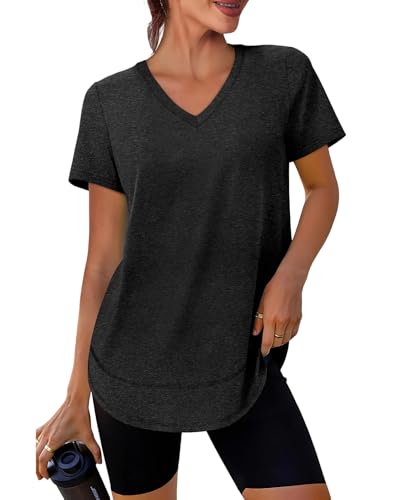
Breathable, quick-dry tee with UPF 50+ keeps you cool and sun-safe. Loose, flattering fit (curved hem/side slits) moves with you—from workouts to weekend plans.
$9.99 on Amazon
Price and availability are accurate as of 03/05/2026 05:01 pm GMT and are subject to change.
We reach for this when we want a low-pressure piece to start moving in. It is great for walks, easy strength days, and trying out your size, rise, and fabric feel before building a full set.
A plus-size friendly staple
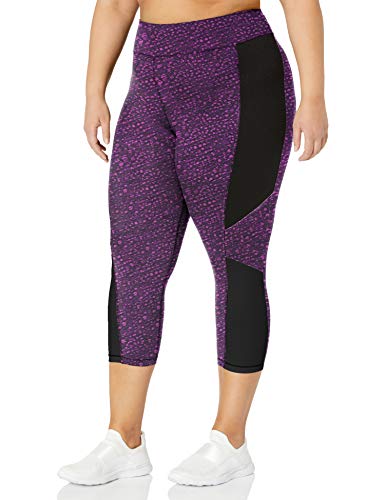
Skip the drawstring—these stay put with a wide, comfy waistband. Smooth, durable seams and a shaping back seam. 20-inch inseam for easy movement. Worth a look.
$11.90 on Amazon
Price and availability are accurate as of 03/05/2026 05:02 pm GMT and are subject to change.
If you carry curves through your hips and thighs, this is a calm first step. It helps you check coverage and comfort during squats, stairs, and everyday errands without constant adjusting.
A petite-friendly option

Warm, fleece-lined joggers for plus-size petites—26.5″ inseam, deep pockets, ribbed cuffs, and an adjustable drawstring. Cozy from couch time to cold walks. Take a look.
$24.99 on Amazon
Price and availability are accurate as of 03/05/2026 05:03 pm GMT and are subject to change.
Petite friends who are tired of rolling hems can start here. Use it to test how shorter rises feel and where the hem lands so you can move freely without a trip to the tailor.
A tall-friendly pick

Stay cool in soft, breathable linen capris. High-rise drawstring waist flatters, with pockets. Dress up or down—perfect for travel. Pick your fave.
$14.97 on Amazon
Price and availability are accurate as of 03/05/2026 05:04 pm GMT and are subject to change.
Tall bodies and long legs will appreciate this for checking inseam and rise during lunges, biking, and longer strides. It is an easy way to confirm ankle coverage before you commit.
FAQ
Fit basics
Q: How do we know leggings or shorts actually fit?
A: We do a quick check:
- Waistband stays put when we squat and walk.
- Fabric is opaque in a deep squat and a lunge.
- No pulling lines across the hips or behind the knees.
- Gusset sits flat. No wedgies or twisting seams.
- Hem hits where we want. Ankles for full length, above ankle for 7/8.
Q: What rise works for different shapes?
A: As a rule of thumb:
- Curvy hips or a fuller seat: higher back rise and a wide waistband.
- Apple or tall torso: true high rise for more coverage and hold.
- Petite or short torso: mid to high rise that does not reach the ribcage.
- Postpartum or sensitive belly: soft, foldable waistband or crossover front.
Sizing and alterations
Q: Between sizes, should we size up or down?
A: We check fabric and tension:
- For compressive, high stretch blends, size down if you want more hold.
- For cotton or lighter knits, size up to avoid sheerness.
- Fit bottoms to the largest point, usually hips, then tailor the waist if needed.
- Petites can hem or pick 7/8 lengths. Talls can look for long inseams or minimal cuff stretch to avoid high-rising hems.
Care and durability
Q: How do we prevent pilling and keep the stretch?
A: We keep it simple:
- Wash cold, inside out, with similar fabrics.
- Skip fabric softener and bleach.
- Use a laundry bag for rough items like zippers.
- Air dry or tumble low.
- Rotate pieces so elastic can recover between wears.
We covered a lot, but the big idea is simple. When activewear fits your height and shape, you move better and think less about adjusting your clothes. The best pieces match your rise, inseam, and stretch to your body, not the other way around.
In practice, this means we measure first, then choose fabric and details on purpose. We check how a waistband sits when we squat and reach. We keep what passes the move test and return what does not. Small tweaks like choosing a 7/8 inseam or a firmer waistband can change your whole workout.
Here is a quick decision recap to steer you in the right direction:
- Plus size curves: strong high rise, compressive but soft fabric, room in seat and thighs, deeper gusset, secure pockets.
- Petite frames: mid to high rise that does not hit ribs, 7/8 or cropped inseam, tapered leg openings, light to midweight stretch.
- Tall bodies: true tall inseams, higher rise or long-torso options, gussets and shaped knees, fabric with recovery so it does not bag out.
Choose your next piece in 5 easy checks
1) Start with the numbers that matter
Pull a soft tape and note your waist, fullest hip, and preferred inseam. Measure from crotch to ankle bone for leggings, and to mid-calf for crops. Check the brand’s size chart and inseam lengths, not just S to 3X. If you are between sizes, use hip as the tie breaker for leggings and waist for shorts.
2) Match rise and waistband to your torso
Short torso or rib flare? Try mid to high rise with a flat, wide waistband. Long torso or you hate tugging? Go for a true high rise or long-rise option. If waistbands roll, look for inner elastic channels or bonded edges. If you get stomach pressure, seek a soft foldover or V-shaped front.
3) Pick the right inseam and leg opening
Petites usually do best in 7/8 or cropped lengths so fabric does not stack at the ankle. Talls should look for long inseams or tall-specific cuts. If calves feel squeezed, choose a straight or split hem. For shorts, test a 5 to 7 inch inseam for thigh coverage that does not ride up, and a 3 to 4 inch inseam if you like more movement and have a narrow thigh.
4) Choose stretch, weight, and feel for your activity
High sweat and high impact need moderate to high compression with good recovery. Yoga and mobility love buttery knits with four-way stretch. If fabric turns sheer in a squat, go one size up or switch to a heavier knit. If you run hot, choose lighter, matte fabric and skip double-knit panels.
5) Do the move test before you commit
At home or in the fitting room, do 10 bodyweight squats, a forward fold, a lunge on each side, and a hop in place. Watch for waistband slip, sheerness, thigh bite, or pocket bounce. If two or more issues pop up, it is a return.
One-minute try-on checklist
- Waistband stays put when you squat and stand.
- No sheerness in a deep bend.
- Thighs and seat feel supported, not squeezed.
- Inseam hits where you want without stacking.
- Phone stays secure and does not slap when you jog in place.
Edge cases to note:
- Pregnant or postpartum. Size to hip and belly growth, look for extra panel height and soft waist. Expect to change sizes through trimesters.
- Ultra sensitive skin. Avoid textured seams at inner thigh and look for flatlock stitching or bonded seams.
Quick answers to common fit questions
How tight should leggings feel?
Snug enough that they do not slide, but not so tight you feel numbness or pinching. You should be able to slide two fingers under the waistband and breathe deeply without pressure. If the fabric turns shiny or shows your skin tone when you bend, size up or switch fabrics.
Can I tailor activewear?
Yes, with limits. Hemming is usually safe, and a good tailor can shorten without losing the ankle opening. Taking in the waist is possible if the waistband construction allows access. Avoid major thigh or seat alterations in compressive knits since it can warp stretch.
My waistband rolls. What now?
Rolling often means the rise is too high for your torso, the waistband lacks structure, or the size is too small for your waist-to-hip ratio. Try a slightly lower rise, look for an inner elastic channel, or choose a style with a curved back seam. If you are curvy with a smaller waist, consider pieces labeled for hourglass or with back V-seams.
Shorts always ride up on me. Any fix?
Look for a longer inseam and more room at the thigh. A gripper hem or a snugger leg opening can also help. If your thighs touch, a 6 to 8 inch inseam with a bit of compression stays in place better than loose woven shorts.
I am tall with a short torso. What rise works?
Try a mid to high rise that lands below your natural waist so it does not hit your ribs. Pair that with a longer inseam. Long legs do not always mean you need the highest rise.
Sizes change between brands. How do we shop smarter?
Lead with your measurements. Check the online size chart and garment inseam every time. Read fit notes like compressive, true to size, or size up for comfort. Order two sizes when returns are easy, then keep only the one that passes your move test.
We all deserve gear that lets us focus on our bodies, not our waistbands. Measure once, try with intention, and do that quick move test. Your best fitting set is closer than you think.
Leave a Comment