
What’s in this Article
- Start Here: What Beginner-Friendly Leggings Should Feel Like
- How To Choose Your First Few Pairs
- Recommended picks (optional)
- FAQ
- Standout Picks By Need
- FAQ: Quick Answers Before You Check Out
Finding leggings and workout bottoms that actually feel good should not be a full-time job. If you are new to training or getting back into it, the options can feel loud and confusing. Ribbed, brushed, seamless, squat proof. We have been there.
Our goal here is simple. We want to help you pick your first few pairs with confidence, so you can focus on your workout and not your waistband. We are talking fit, rise, pockets, shorts, and inseams. Real talk about what works and what gets in the way.
We will walk through how beginner-friendly leggings should feel, how to check fabric and compression in two minutes, and how to avoid the most common mistakes. We will also cover a few edge cases, like what to do if you are very tall or very petite, or if you sweat a lot in high heat.
By the end, you will know how to spot keepers on the rack, on a website, or in your own drawer. No magic. Just clear criteria you can test at home in five minutes.
Start Here: What Beginner-Friendly Leggings Should Feel Like
Beginner-friendly leggings should disappear in the best way. You should not be tugging or re-tying between sets. Look for a soft but dense fabric with true 4-way stretch, a waistband that does not roll, and seams that do not scratch.
The comfort test you can feel in 10 seconds
Pull them on and check three points. Waistband feels secure without digging. Knees bend without sharp pull at the front. Crotch has room to move when you step wide. If you feel pinching in any one of those, size or cut is off.
What we look for every time
- Fabric weight that hides lines and stays opaque in a deep squat. Midweight usually wins for beginners.
- Gentle to medium compression that supports your hips and glutes without squeeze marks.
- A high rise that covers your belly button or sits just at it. That tends to stay put for most bodies.
- Flat seams or seamless construction where your thighs rub. Less friction means fewer hot spots.
Real-world limits to keep in mind
- Light colors can show sweat and may turn sheer in bright sunlight. If you train outdoors, test in daylight.
- If you are over 5’9 or under 5’2, standard inseams might not land right. Length affects fit and slide, not just looks. Petite and tall lengths solve this more than sizing up or down.
How To Choose Your First Few Pairs
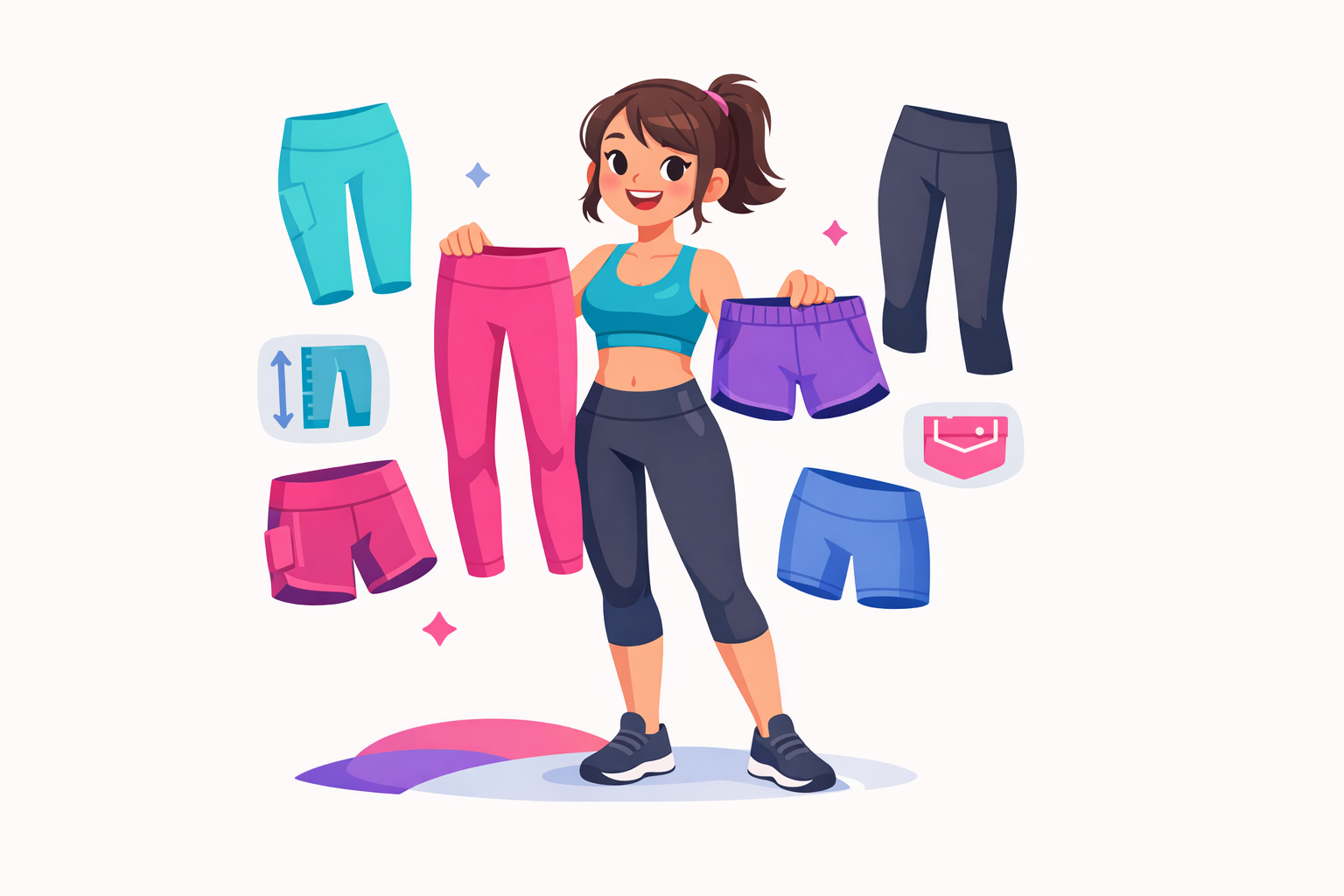
Start with two silhouettes. One full-length or 7/8 legging for cooler days and strength work. One bike short or 6 to 8 inch short for hot days or spin. Cover your basics first, then branch out.
Fabric that works for your workouts
Pick smooth performance knits for mixed workouts. They dry fast and glide under a barbell. Brushed fabrics feel cozy but can pill with friction and run warmer. If you run hot or do sweaty classes, choose smooth, cool-touch fabric with a bit of nylon for durability and spandex for stretch.
Action step: Pinch the fabric between your fingers. If it pops back fast and does not get see-through when stretched over your hand, that is a good start.
Compression that supports without squeezing
Think of compression like a sports bra for your legs. Light to medium suits most beginners. It keeps the waistband stable and the fabric from shifting. If you are new to fitted bottoms, skip ultra firm compression. It can feel stiff and may limit depth in squats.
Action step: Do five air squats and one lunge per side. If the waistband crawls down or the knees feel stuck, try a different size or a softer knit.
Waistband that stays put
A high or mid-high rise is the most forgiving. Look for a wide waistband with even tension. Minimal rolling, no hard edge at the top. If tipping forward makes the back gap, you may need a higher rise or more compression at the top seam.
Action step: Raise your arms overhead and take a deep breath. If the waistband pops up and stays there, it is too tight. If it slides down, you need more hold.
Seamless vs seamed
Seamless can be smooth and comfy for yoga and lounge. It can also shift during sprints since there is no seam structure to anchor it. Seamed leggings with flatlock stitching usually track better through lunges and pivots and resist rolling.
Edge case: If you have sensitive skin, flatlock seams are your friend. If you hate any seam feel, try seamless but test for movement during jumps.
Pockets that actually hold a phone
Side pockets should fit your phone vertically with a little extra depth so it does not pop out on stairs. A hidden waistband pocket works for a key or card, not a phone. If you train outdoors, side pockets are worth it.
Action step: Slide your phone in and do ten jumping jacks. If it stays put, good. If it bounces out, skip that pair.
Squat proof and sweat friendly
Opaque in motion is the standard. Face a window and do a deep squat. If you can see the tag or skin, that fabric is too thin or too light for you. For sweat, look for darker shades or marl textures that hide moisture maps. Look for quick-dry or moisture-wicking fabric descriptions.
Limit: White and very pale pastels are hard to keep squat proof and sweat friendly at the same time. If you want them, size up and pair with nude underwear.
Fit for your body type
- Curvy hips or a fuller booty: seek more rise and a higher back. A gusset that is diamond shaped helps reduce pull.
- Straight hips or narrow waist: look for less stretch in the waistband so it grips.
- Tall: 7/8 length may fit like an ankle legging. If you want full length, shop tall-specific inseams.
- Petite: 7/8 may be full length. Avoid pooling at the ankle, which can cause slip during cardio.
Do this first: Put on your current favorite pair and run a 5 minute test. Deep squat in front of a window. Lunge and twist. Step onto a chair and back down. Check for sliding, sheerness, and pinch points. Note what worked and what did not. Use that list when you try new pairs.
Recommended picks (optional)
A simple starter option

High-waisted, squat-proof leggings with 4-way stretch, tummy control, and 3 pockets. Moisture-wicking comfort for yoga, runs, and errands—worth a look.
$14.98 on Amazon
Price and availability are accurate as of 03/26/2026 04:39 pm GMT and are subject to change.
If you want an easy first pair that works for walking, yoga, and light strength, start here. It is comfortable, forgiving if your size is in between, and simple to style so you can focus on moving, not adjusting.
A more supportive option

Super-soft, sweat-wicking tie-dye leggings with a seamless high waist that lifts and smooths. Opaque, quick-dry, and cute from gym to street. See sizes.
$29.99 on Amazon
Price and availability are accurate as of 03/26/2026 10:43 am GMT and are subject to change.
Reach for this on days you lift or do intervals. It feels secure through squats and step ups, which helps you stay present and push with confidence.
A shorts option for warm weather

Smooth, sculpting leggings that stay comfy—no front seam, double-layer high waistband for tummy control, and side pockets. Ready for gym or all-day wear. Check them out.
$26.99 on Amazon
Price and availability are accurate as of 03/26/2026 01:20 pm GMT and are subject to change.
If you run hot or prefer less fabric, this shorts pick is a good call. Great for summer walks, spin, and Pilates, and easy to pair with a longer tee if you want more coverage.
A lounge-to-gym option

Seamless high-waist leggings that lift and sculpt—squat-proof, breathable 4-way stretch with tummy control and ruched bum detail. Meet your new gym go-to.
$25.49 on Amazon
Price and availability are accurate as of 03/26/2026 10:58 am GMT and are subject to change.
When you want something soft for errands that can still handle a quick class, this is the one. Cozy enough for rest days, but ready for warmups, mobility, and low impact sessions.
FAQ
Sizing and Fit
How do I pick the right inseam if I am short or tall?
If you are under 5’4″, try 7/8 length with a 23 to 25 inch inseam to avoid ankle bunching. Standard full length is usually 25 to 28 inches. If you are over 5’8″, look for 27 to 31 inches. For shorts, 6 to 8 inch inseams help prevent thigh chafe. Go 4 to 5 inches if you want more leg and you are doing low impact.
My waistband rolls or slides. What should I look for?
Go for a high rise that sits at or just above your belly button. A wide waistband with hidden elastic or a drawcord helps it stay put. If it digs, size up. If it slips, size down or try more compression. A back V seam can help anchor the fit.
Care and Durability
How do we wash leggings so they last?
Turn them inside out. Wash cold on gentle with similar fabrics. Skip fabric softener. Air dry or tumble low. Heat breaks down stretch and wicking.
How do I prevent pilling and pet hair cling?
Avoid rough seats and Velcro in the wash. Use a mesh bag and wash with smooth items. Sleek nylon blends attract less hair than brushed fabrics. Use a lint roller after drying and a fabric shaver for any pills.
If you take one thing with you, let it be this. Beginner friendly leggings feel secure without pinching, breathe when you sweat, and stay put when you move. The rise should match your torso, the fabric should match your workout, and pockets should serve your actual life.
In practice, that means we start with two pairs. One smooth and sweat wicking for hot or intense workouts. One softer pair for low impact days. We pick a rise that does not roll and a compression level we can breathe in. Then we do a quick try on test at home before we commit.
Your first few bottoms do not have to be perfect. They just need to help you show up. As your routine grows, you can dial in inseams, pocket styles, and compression like a pro.
Standout Picks By Need
Our everyday starter set
- One high rise legging in a smooth, slick fabric for gym days and anything sweaty. Look for squat proof, quick drying, and light to medium compression.
- One mid or high rise legging in a softer knit for walking, yoga, and errands. Look for a brushed hand feel and light compression for comfort.
- If you are between rises, start high rise. It is the most forgiving when we bend and twist.
For sweaty classes and summer runs
- Choose a slick, cool to the touch fabric that wicks fast. Nylon or polyester blends are your friend here.
- Go for light to medium compression so you get support without feeling squeezed once you heat up.
- Pick a 7 to 8 inch pocket deep enough for a phone if you carry one outside. If you chafe easily, keep seams minimal and avoid super short shorts.
For yoga, Pilates, and walking
- Prioritize stretch and softness. A brushed or cottony feel can be dreamy if you do not sweat buckets.
- Minimal seams feel better in long holds. A wide, flat waistband helps with comfort in forward folds.
- If you do hot yoga, switch to the slick fabric from the sweaty section so you do not stick to your mat.
For lifting and HIIT
- Medium compression with a firm waistband keeps everything in place on squats and box jumps.
- Choose high rise if you deadlift since it covers well in a hip hinge.
- Skip front seams if you are prone to adjusting between sets. Look for thicker, opaque fabric to avoid sheerness under a barbell.
Shorts and inseams quick guide
- Thighs that touch: 6 to 8 inch bike shorts reduce ride up and chafe. Add a touch of grip at the hem if you sprint.
- Petite or short torso: mid rise can feel better than ultra high. In leggings, 23 to 25 inch inseam often hits ankle without pooling.
- Tall frames: 27 to 30 inch inseam for full length, or embrace 7 to 8 inch shorts to avoid constant tugging.
- If you are unsure, pick a 7 inch short and a 25 inch legging. Those two lengths work for most of us.
A 5 minute try on plan
- Put them on and take three deep breaths. If the waistband cuts in, size up or try lower compression.
- Do 10 bodyweight squats in front of a mirror with bright light. Check for sheerness and rolling.
- Step up on a chair or stair 10 times each leg. Notice if the crotch creeps or the legs twist.
- Jog in place for 30 seconds. Do the waistband and pockets stay flat with your phone inside.
- Sit on the floor and twist side to side. If seams rub, consider a seamless or flat lock option.
- Wash once on cold and hang dry. Try again for a minute. Some fabrics relax slightly after wash.
FAQ: Quick Answers Before You Check Out
High rise or mid rise for beginners
High rise is the safer bet because it covers and supports when you bend and jump. If you have a short torso or feel pressure on your ribs, try mid rise. The right rise will sit flat without rolling or digging when you sit.
How tight should compression feel
You want a gentle hug, not a corset. You should breathe deeply and move your ribs. If your waistband leaves deep marks or you cut a workout short to get them off, that is too tight. If you have to pull them up often, you likely need more compression or a different rise.
I am between sizes. What now
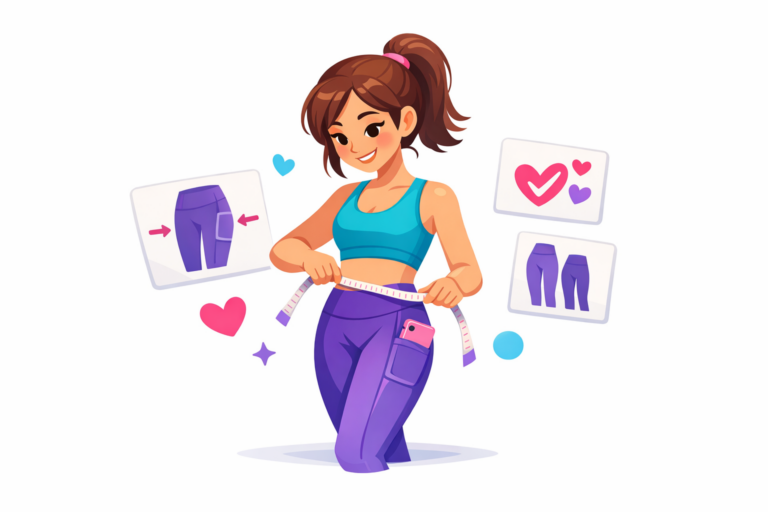
If you prefer comfort and do mostly low impact, size up. If you lift or do HIIT and like a locked in feel, try the smaller size. Check the size chart and your waist and hip measurements. Measure at your belly button and the widest part of your hips for consistency.
Do I need pockets
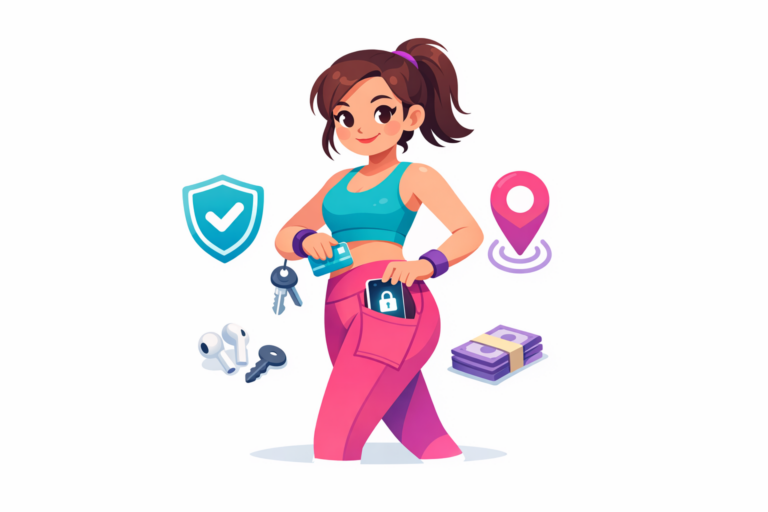
If you carry a phone or keys, yes. Look for pockets that fit your phone fully with a bit of stretch at the opening. Side thigh pockets are the most secure while running or lifting. If you do floor work and hate seams, a hidden waistband pocket is cleaner.
How do I know they are squat proof
Use bright, direct light and a light colored pair of underwear. Do slow squats and a hip hinge. If you can see the outline clearly, the fabric is too thin or too small. Dark, matte fabrics tend to be more opaque. Prints can help too.
What if I have sensitive skin or specific needs
- Sensitive to seams: choose seamless or flat lock stitched options and avoid long front seams.
- Postpartum or core concerns: start with high rise and light to medium compression. Your comfort comes first. Skip anything that feels restrictive.
- Curvy hips or small waist: a contoured waistband or a V shaped back seam helps prevent gaping. If waist still slips, try a drawcord.
Decision recap
- Hot and sweaty most days: smooth, sweat wicking, light to medium compression, secure pockets.
- Yoga, Pilates, and walks: soft hand feel, light compression, fewer seams.
- Lifting and HIIT: medium compression, high rise, opaque fabric, stable waistband.
The bottom line. Pick two pairs that match your most common workouts, run the 5 minute try on, and keep notes on rise, fabric, and inseam. When you feel good in your gear, you show up more. That is the win we are after.
Leave a Comment