
If you’ve ever felt your jeans gap in the waist but squeeze the thighs, or your squats light up quads more than booty, you’re in the right place. We’re going to build strong, visible glutes in a way that fits real life.
This guide is for beginners up to solid intermediates who want bigger, stronger glutes without living at the gym. Think 2 to 3 focused sessions a week, steady progress, and form that feels safe.
Quick Comparison
What’s in this Article
- Who this guide helps and what to expect
- How to choose your setup and gear
- Supplies that make this easier
- FAQ
- Your 8 to 12 week action plan
- FAQs and real-life troubleshooting
Success here looks like a clear plan for 8 to 12 weeks, measurable strength gains, and a small but noticeable change in shape and firmness. We’ll keep the science simple, the cues practical, and the wins realistic.
No perfection needed. Maybe this week you lift twice and walk more. That still counts. If you keep showing up and add a little challenge over time, your glutes will grow.
Do this first: choose two training days you can protect, set calendar alarms, take a quick hip and glute circumference measurement, snap a side photo, then do 2 sets of 12 bodyweight glute bridges today. You just started.
Who this guide helps and what to expect
Where you’re starting from
- New to lifting: we’ll teach you hinge, squat, and bridge patterns and build confidence under load.
- Back from a break: we’ll restart with moderate volume and clean up form.
- Intermediate lifter: you’ll get smarter progression and accessory work to fix weak spots.
Edge cases to know:
- If you already lift very heavy, progress may be slower and you’ll need more strategic volume and recovery.
- If you have ongoing knee, hip, or low back pain, check in with a qualified pro before loading up. Good form matters more than any plan.
Results you can realistically see in 8 to 12 weeks
- Strength: 10 to 25 percent increase on hip thrusts or glute bridges, and steady load bumps on Romanian deadlifts.
- Muscle: fuller upper and side glutes, better roundness at the top, and a firmer feel.
- Function: stronger hip drive, more stable knees in squats and lunges, stairs feel easier.
Timeline reality check:
- Weeks 1 to 2: skill and soreness. Lower weights, more cues.
- Weeks 3 to 6: weights climb, better mind-muscle connection, pumps feel real.
- Weeks 7 to 12: visible changes for many, especially if sleep and protein are on point.
How we’ll measure progress
Pick at least three of these so we’re not guessing:
- Strength numbers: track your top set for hip thrust and RDL each week.
- Volume tolerance: same weight for more reps or more sets at the same effort.
- Tape measure: glute and hip circumference once every 2 to 3 weeks.
- Photos: front, side, and back in consistent lighting, same outfit.
- Fit check: how leggings or jeans feel at the glutes and thighs.
- Effort rating: note RPE or how many reps you had in reserve on your last set.
If progress stalls for two to three weeks on most of these, we’ll bump load, adjust reps, or add a rest day.
How to choose your setup and gear
If you train at a gym
- You’ll have barbells, plates, benches, a squat rack, cables, and machines. Perfect for hip thrusts, squats, RDLs, lunges, and cable kickbacks.
- Look for a padded bench or low platform for thrusts and bridges. Set the bar at mid foot, and use collars. You want stability and repeatable setup.
If you train at home
- You can grow glutes with bands, a sturdy chair or couch for bridges, a backpack or dumbbells for load, and a mat.
- Prioritize hip hinges, single-leg work, and abductions. Progress by adding band tension, slower lowers, pauses, and more total reps.
Safety first: form and pain rules
- Neutral spine: no over-arching in thrusts or rounding in RDLs.
- Full-foot pressure: big toe, little toe, heel down for most lifts.
- Knee travel: let knees track over toes without caving in.
- Pain rule: sharp pain or pinching is a stop sign, not a push-through moment. Adjust range, load, or exercise and get eyes on your form if it keeps happening.
Start small, stay consistent, and stack tiny wins. Today’s bridge sets are enough to begin.
Supplies that make this easier
You can run this plan with bodyweight and a couple dumbbells. No shopping required. That said, a simple set of loop bands makes warm-ups cleaner, home days more effective, and hip thrusts and squats feel more dialed in.
Two-band starter set
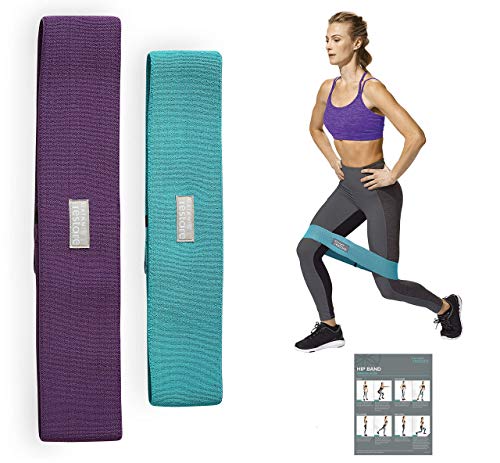
Two comfy fabric booty bands (Light & Medium) that won’t roll – great for glute/leg activation, warm-ups, and rehab. Includes a guide. Ready to level up leg day?
$9.93 on Amazon
Price and availability are accurate as of 03/13/2026 01:37 am GMT and are subject to change.
If you just want something small to toss in your gym bag, this two-pack covers activation, travel workouts, and quick finishers. Use the lighter band to groove your squat and hip hinge pattern, then switch to the heavier band for lateral walks, glute bridges, and abduction burnouts. It’s also great looped above the knees during hip thrusts as a cue to keep your knees out. If you prefer a minimal kit that still does the job, this set keeps it simple without clutter. You can peek at it here Gaiam Restore Booty Bands (2-Pack) with Progressive Resistance for Glute and Leg Workouts.
Wide fabric trio

Three non-slip, fabric bands (15–45 lb) that stay put and grow with you. Great for glutes, legs, core—at home or travel—with a quick-start guide and carry bag. Pick a level.
$6.99 on Amazon
Price and availability are accurate as of 03/13/2026 01:37 am GMT and are subject to change.
Wide fabric bands tend to stay put and feel comfortable on the thighs, which helps when you’re doing longer sets of side steps, squats, or bridges. This trio gives you light, medium, and heavy options so you can scale from activation to working sets in the home-only plan. They also pair well with barbell hip thrusts on leg day because the wider profile resists rolling and digs in less on bare skin or thin leggings. See the set details here Wide Fabric Booty Bands for Glute, Hip & Leg Workouts, Pilates & Yoga Starter Set.
Everyday training set

Comfortable, non-slip fabric bands that won’t roll or snap. Three resistance levels for full-body training. Pack the carry bag and work out anywhere—explore more.
$12.99 on Amazon
Price and availability are accurate as of 03/13/2026 01:37 am GMT and are subject to change.
This non-slip trio shines for consistent, repeatable work. Use the light band to wake up glutes before RDLs and squats, the medium for kickbacks and clamshells, and the heavy for bridge and abduction finishers. It’s a straightforward choice if you want a dependable set to live in your gym bag and back up both the beginner and intermediate programs. If you like steady, no-drama gear, this is it CFX Non-Slip Resistance Band Set, 3 Levels for Glutes & Hips.
Full progression pack

5-level fabric booty bands that won’t roll or pinch. Target glutes and legs anywhere with the handy workout guide. Pick your resistance and get moving.
$19.95 on Amazon
Price and availability are accurate as of 03/13/2026 01:38 am GMT and are subject to change.
If you want finer jumps week to week, a five-pack makes progression smoother. The lighter bands handle pre-lift activation and deload weeks, while the mid and heavy bands carry your home-only days and accessory sets after squats or hip thrusts. This set is helpful if you share bands with a partner or prefer micro-steps in intensity so form stays clean while your glutes get stronger. You can check it out here Non-Slip Fabric Resistance Bands (5-Pack) for Legs, Glutes & Hips.
FAQ
Setup and safety
Q: Hip thrusts or RDLs hit my lower back or knees. What should I fix?
A: Lighten the load and tighten your setup. For hip thrusts, set the bench at mid back, stack ribs over hips, tuck the pelvis slightly, shins near vertical at the top, and drive through heels. Hold the top for 1 to 2 seconds. If knees hurt, bring feet a bit closer and keep knees tracking over mid foot. For RDLs, hinge at the hips, soft knees, lats on, bar close to legs, and stop when hamstrings feel tight but spine stays neutral. If pain lingers, skip the move for now and see a coach or clinician.
Progress and pacing
Q: I am stuck on the same weights. How do I break a plateau and when should I get a coach?
A: Try one change at a time for 2 to 3 weeks. Add 2.5 to 5 pounds, or add 1 to 2 reps to early sets, or add one extra set on your main hinge. Use pauses at the top of hip thrusts and a slower lowering on RDLs. You can also bump frequency to 3 days and split volume. Eat a small calorie surplus and hit protein. If you still stall for 6 to 8 weeks, you feel lost on form, or you have recurring pain, it is a good time to get a coach for a technique check. Same principles work for women and men. Individual volume and recovery needs vary.
Q: What does a simple deload week look like?
A: Keep the same exercises but cut sets in half and drop load to about 50 to 60 percent of your normal working weight. Keep reps the same or stop 3 to 4 reps from failure. Skip advanced intensity methods. Move, walk, and do light mobility. After one deload week, resume where you left off or with a small reset on loads.
Feel and activation
Q: How do I know if my glutes are actually working?
A: You should feel a strong squeeze in your glutes at the top of bridges and thrusts, with a mild burn by the last 2 reps. Your hamstrings and quads can help, but they should not dominate. Use these cues: ribs down, small pelvic tuck, drive through heels, push knees slightly out, and hold the lockout. Start sets with a slow 2 second lower and a full stop at the bottom. If you still struggle, add a light band warm up for 5 to 10 reps of abductions or frog pumps, then go lift.
If you’ve ever felt stuck doing random booty workouts and not seeing a difference, you’re not alone. The secret is not magic moves. It’s a simple plan you can repeat, with progress you can measure.
Over the next 8 to 12 weeks we’ll focus on basic patterns, steady overload, enough food, and real recovery. Expect small wins at first. Better hip thrust form. A little more depth on split squats. A few more reps at the same weight. Those are green lights.
Your path is yours. Beginners can grow well with two days a week and bands or dumbbells. Intermediates can push three days with a barbell. Both count. We chase better, not perfect.
If you want a glute workout plan you can stick to, or a hip thrust program that actually builds your booty, this is it. Start small. Stay consistent. Adjust as you go.
Your 8 to 12 week action plan
Pick your path
- Choose Beginner if you are new to lifting, coming back after a long break, or want a simple 2-day split. Plan for 8 focused weeks.
- Choose Intermediate if you’ve been lifting 6 to 12 months, can hip thrust your bodyweight, and want 2 to 3 days with a barbell. Plan for 8 to 12 weeks.
- Choose Home-Only if you have bands and maybe a pair of dumbbells. You can still progress with tension, tempo, and higher reps.
Edge cases:
- If you have hip or low back pain, or you’re pregnant or postpartum, clear your plan with a clinician first and scale range of motion and loading.
- If you’re already very strong, lean into heavier hinges and lower rep sets, and take deloads more often.
Progress that builds muscle
- Keep 1 to 3 reps in reserve on most hypertrophy sets so you can add load or reps weekly.
- Use one main progression at a time. Example: add 5 to 10 pounds to hip thrusts each week until you stall, then add reps, then add a set.
- Control the negative for 2 to 3 seconds on RDLs and squats. Squeeze hard at lockout on bridges and hip thrusts.
- Track every session. Same exercises, same order, so progress is clear.
Your week-one checklist
- Pick your template and schedule your days in your calendar.
- Set starting loads you can lift with clean form for the target reps.
- Film 1 to 2 sets of your hip thrust and RDL to check depth, shin angle, and neutral spine.
- Prep your protein. Aim for roughly 0.7 to 1.0 grams per pound of bodyweight daily.
- Commit to 7 to 9 hours in bed and at least one short walk on rest days.
- Skim our guides Best Fabric Hip & Booty Bands and Best Resistance Bands for gear that fits and does not roll.
- Optional: read our Road to Bigger Glutes review if you like following a structured plan with built-in progressions.
Save this plan and find extras
Bookmark this guide so you do not have to rebuild your routine every week. Print the 8-week checklist if you like seeing boxes ticked. Revisit the exercise clips any time your form feels off. If you need ankle straps, a hip thrust pad, or bands that stay put, our posts on Best Fabric Hip & Booty Bands and Best Resistance Bands are easy places to start. If you want a full glute workout plan mapped out, the Road to Bigger Glutes review breaks down what to expect and who it fits.
If you find this by searching grow glutes or glute workout plan later, you’ll know exactly where to jump back in.
FAQs and real-life troubleshooting
I feel my quads, not my glutes
- Set up with shins vertical at the top of hip thrusts and bridges. If your knees shoot past your toes, you’ll load quads.
- Tuck your ribs down and keep your pelvis neutral. Overarching your low back steals tension.
- Try a 2-second pause at the top of each rep to teach your brain where peak squeeze lives.
- On squats, push the floor away and think “sit between my hips,” not “knees forward.”
The scale is not moving. Am I still growing?
- You can build glute muscle without big scale changes, especially if you’re newer. Track strength on hip thrusts, RDLs, and split squats. Take monthly progress photos in the same light. Measure hips and glutes with a soft tape.
- If you want faster size changes, a small calorie surplus can help. Think an extra 200 to 300 calories a day from mostly whole foods and enough protein.
When should I deload?
- If loads feel heavy for no reason, sleep is rough, and reps are dropping, take a deload week every 4 to 8 weeks. Cut volume in half, keep some intensity, and focus on crisp reps.
- Use the week to practice form and mobility. Walk more. Eat well. Then push again.
How do I know my glutes are actually activating?
- You should feel work in the backside of your hips, not hamstrings or low back. Light burn is normal by the last reps.
- Before heavy sets, do 1 to 2 primer moves like banded abductions or a light bridge set. Keep it short so you do not tire out.
- Film your sets. If you see lower back arching or knees caving, adjust setup and try a slower tempo.
Do women need to train differently than men?
- Not really. The same principles apply. Many women do well with slightly higher volumes and a bit more frequency for glutes. The plan already leans into that with 2 to 3 days a week and a mix of hinges, bridges, squats, and abductions.
When should I get coaching?
- If pain shows up, lifts stall hard for 3 to 4 weeks, or form checks keep looking off, a few sessions with a good coach can save months of spinning wheels.
- If you train at home, a remote form check video can help. Keep it simple. One or two lifts per video with clear angles.
One small thing to try today: pick your two training days for the week, add them to your calendar, and set out your bands or lifting shoes. Tiny setup, bigger follow-through. We’ll build the rest together.



Leave a Comment