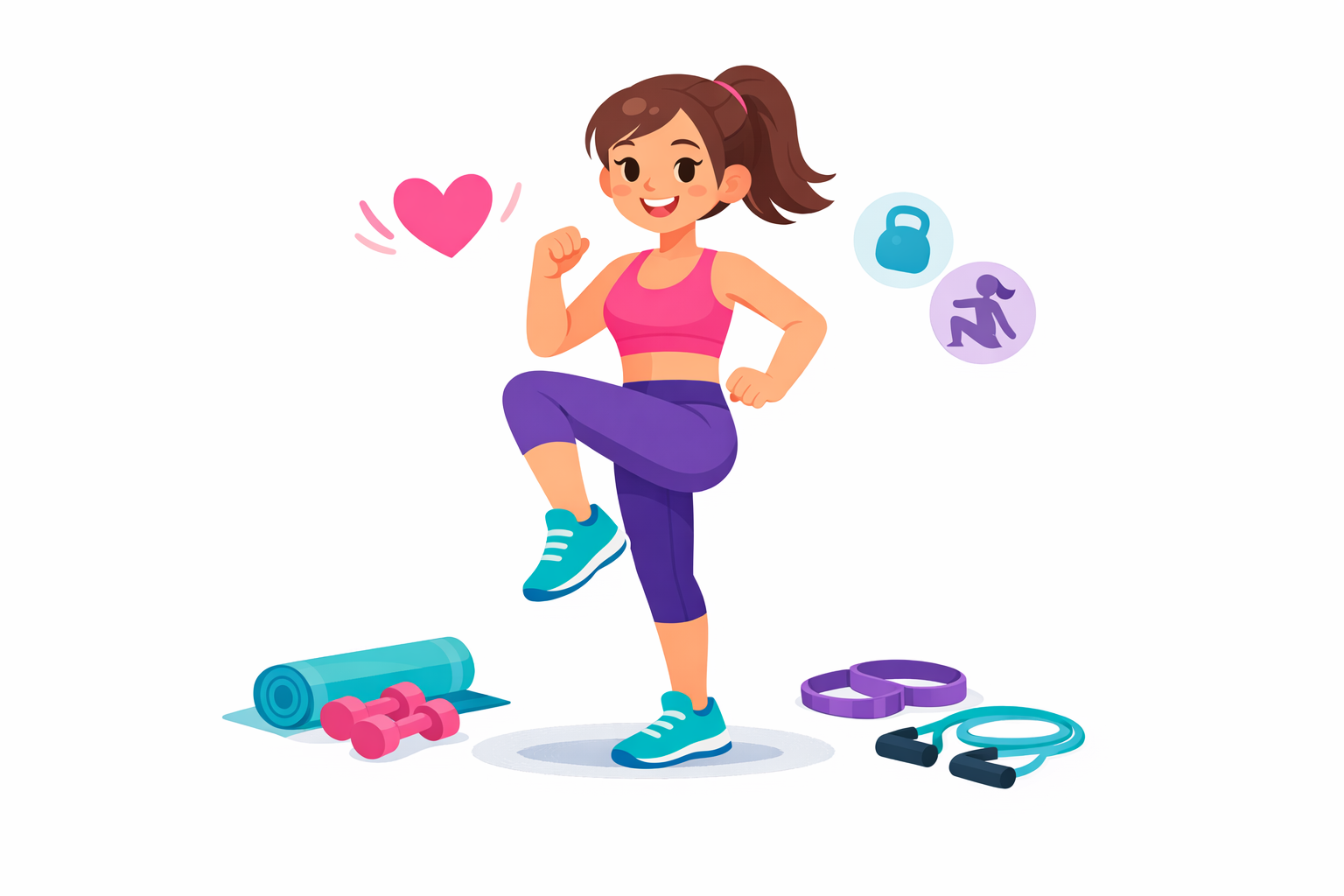

Some days are stacked from the moment we wake up. Meetings, errands, family, and suddenly it is 4 p.m. and we have not moved much. That is exactly why this simple 10-minute at-home workout exists.
It is full body, gentle on joints, and quiet enough for an apartment. You get a quick warm-up, two rounds of a four-move circuit, then a short cooldown. No choreography. No fancy gear. Just steady work you can actually finish.
Quick Comparison
What’s in this Article
- Who this helps and why it works
- What you need and quick safety notes
- Tools that make this 10-minute workout simpler
- FAQ
- Make your 10 minutes count
- Save it, schedule it, start
You choose your path each day. Bodyweight only, or swap in a resistance band or light weight if you have one. Both options hit legs, glutes, core, back, chest, and shoulders in a way that feels doable on a weekday.
Big promise? No. Realistic promise? You will feel warmer, steadier, and a little prouder in ten minutes. That adds up when you repeat it a few times a week.
Before we start, one tiny prep step makes a huge difference. Clear a small space, set a timer for 10 minutes, and pick which version you want today. Done. You are ready.
Who this helps and why it works
If you are short on time
This format respects a busy schedule. The intervals are set, the moves are simple, and you do not have to think. You will get your heart rate up, wake up sleepy muscles, and check the box without dragging it out.
If you are new or coming back
We use controlled, low-impact basics. You can do push-ups at a counter, squats to a chair, and planks on your knees. The goal is practice and confidence, not going hard. Two rounds is enough.
If you already train
On heavier training days, use this as a warm-up. On rest or travel days, keep it easy and focus on crisp form. You can also load the banded version a bit for a mini strength snack.
Why 10 minutes still counts
Consistency wins. Short bouts of movement improve mood, energy, and joint comfort, especially when you hit the big patterns often. This circuit uses compound moves so you get more muscles per minute. Forty seconds on and twenty seconds off keeps you honest without burnout.
Use these quick checks to see if this session fits today:
- Space: Can you clear a 6 by 6 foot area without tripping hazards
- Joints: Can you squat to a chair and get on and off the floor without sharp pain
- Wrist tolerance: Can you press on a countertop for incline push-ups
- Core comfort: Can you hold a plank for 15 to 20 seconds with steady breathing
- Noise level: Do you need quiet moves for neighbors or sleeping kids
Real talk on limits:
- If you have new or worsening pain, dizziness, or uncontrolled blood pressure, skip this and check in with a clinician.
- If you are pregnant or postpartum and unsure about core pressure or pelvic symptoms, choose the gentler options and get personalized guidance when you can.
What you need and quick safety notes
The basics
You can do the entire workout with no equipment. Optional helpers are a yoga mat for comfort, a long resistance band, a light dumbbell, and a sturdy chair or wall for incline push-ups.
Do this first:
- Put your phone on Do Not Disturb for 10 minutes
- Fill a water bottle and place it within reach
- Set a countdown timer for 10:00
- Choose bodyweight or banded version today
Form first, speed second
Move with control and breathe. You should be able to talk in short phrases during work intervals. If your form breaks, shorten the range, go slower, or take a quick shake-out. No move should cause sharp or pinching pain.
When to modify or skip
- Knees cranky today: use a chair for squats and keep shins more vertical
- Wrists sensitive: do push-ups at a counter and plank on forearms
- Low back fussy: engage ribs down, shorten planks, and focus on glute bridges
If anything feels off, pause and pick the easier option or stop for today. Progress is allowed to be gentle.
Tools that make this 10-minute workout simpler

Build strength anywhere with 5 stackable bands (up to 150 lb). Cushioned handles, door anchor, and carry bag make full-body workouts or rehab easy. Pick your level.
$19.99 on Amazon
Price and availability are accurate as of 03/12/2026 12:08 am GMT and are subject to change.
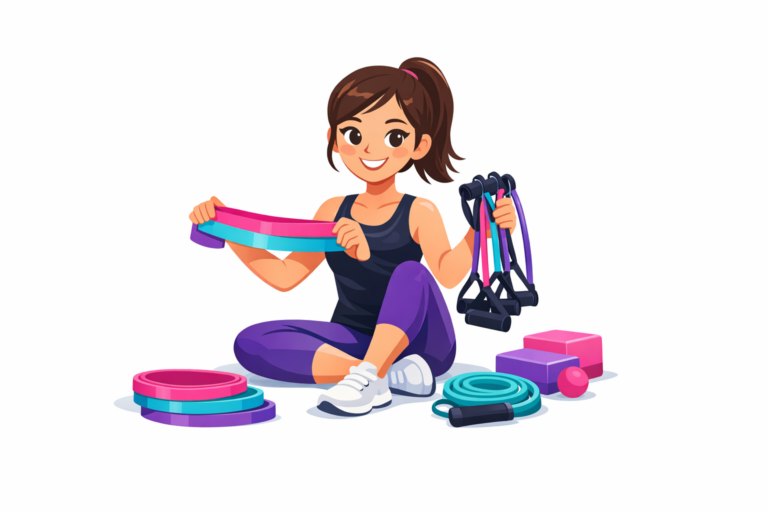
A long resistance band is the easiest way to add back work at home without big equipment. If you want to do rows and level up squats, HPYGN Resistance Bands Set with Handles, Door Anchor & Ankle Straps, 150 lb Total, Grey gives you smooth resistance, packs away in a drawer, and works for beginners and stronger days by simply shortening your grip.

Soft, non-slip fabric bands that don’t roll, in two strengths (35/50 lb). Stack for extra burn—great from pull-ups to Pilates. Toss in your bag and train anywhere.
$9.99 on Amazon
Price and availability are accurate as of 03/12/2026 12:08 am GMT and are subject to change.
If your knees or wrists are sensitive, a cushy, grippy exercise mat makes planks, bridges, and warm-ups feel better. It also keeps you from sliding on tile or wood floors, and rolls up fast when you need your living room back.
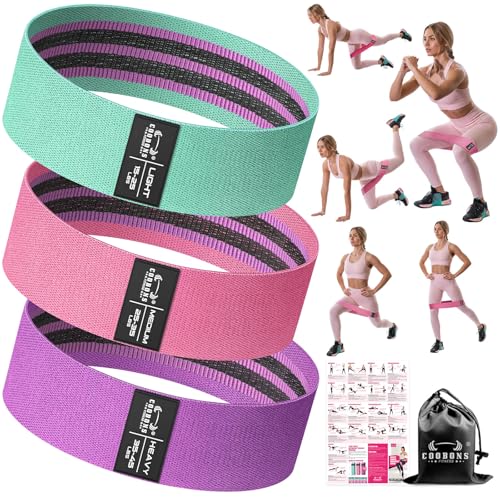
Soft, non-slip fabric bands that won’t roll—three levels to light up glutes and thighs anywhere. Comfy, durable, and travel-ready. Tap to find your perfect fit.
$9.99 on Amazon
Price and availability are accurate as of 03/12/2026 12:08 am GMT and are subject to change.
A single light dumbbell is perfect for weighted dead bugs or holding at your chest for squats. It adds just enough challenge without feeling intimidating, and the compact size fits under a couch when you are done.
FAQ
Setup
Q: I live upstairs. How do I keep this quiet?
A: Stick to the low-impact versions. March in place instead of jogging, slow your squats, and control the way you set your feet down. A thicker mat helps buffer sound.
Q: I only have 5 minutes. Can I still do this?
A: Yes. Do a 45 to 60 second warm-up, pick 2 of the 4 exercises for 40 seconds each, then a 20 to 30 second stretch. Rotate which moves you do next time.
Form and modifications
Q: Push-ups bug my wrists or shoulders. What should I try?
A: Go incline on a sturdy counter or couch edge. Keep wrists neutral by making fists or using handles, and angle elbows about 45 degrees from your ribs. If shoulders still complain, swap for band rows or a chest press with a light band.
Scheduling and results
Q: How often should I do this, and when will I feel it working?
A: Aim for 3 times per week with at least one rest day between. Most people feel steadier and less stiff within 1 to 2 weeks. Add a round, a few reps, or a stronger band around weeks 3 to 4 for steady progress.
If you only remember one thing, let it be this. Ten focused minutes can change how your body feels today. Warm up for a minute or two, move with intention for eight, then cool down. That is enough to build momentum.
You have two simple paths. Bodyweight if you want zero setup and a gentle win. Bands or a light weight if you want a little extra pull and variety. Both hit your whole body and both scale up or down.
Keep it friendly. Choose the easier version on low-energy days. Choose the harder one when you feel strong. Consistency matters more than intensity.
Make it yours. Stack it with coffee, a school pickup, or your lunch break so it actually happens.
Make your 10 minutes count
Choose your path today
- Pick bodyweight if you have no gear, limited space, or feel stiff and want a softer entry.
- Pick the minimal equipment swaps if you want to add pulling work with rows, or you’ve been doing bodyweight for a while and want more challenge.
- Mixed bag day. Do bodyweight Round 1 and swap in band rows for Round 2.
Your quick action plan
- Clear a mat-sized space and silence distractions for 10 minutes.
- Set a timer for 40 seconds work, 20 seconds rest, 2 rounds.
- Warm up for 90 to 120 seconds with arm circles, hip hinges, and marching.
- Choose Format A or B. Use the easier or harder mod based on how you feel today.
- Cool down for 60 seconds with hamstring and shoulder stretches.
- Jot one note about what felt good or what you want to tweak next time.
Edge cases and when to tweak
- If your wrists complain, do forearm planks or incline push-ups on a counter.
- Sensitive knees. Make squats shallower, try sit-to-stand from a chair, or add a mini band above knees for support.
- Pregnant or newly postpartum. Swap front planks for elevated incline holds. Choose deadbugs with a gentle exhale and slow control. When in doubt, keep the effort conversational and check with your provider.
- High blood pressure or dizziness. Move at a talkable pace and take extra rest as needed. Stop if you feel unwell.
Save it, schedule it, start
How to remember and repeat
- Screenshot this routine, bookmark the page, or pin it to your notes app.
- Set three recurring calendar blocks this week for 10 minutes. Morning, lunch, or right after work.
- Leave your band where you will see it. Couch arm, desk, or by your mat.
- Pick a short playlist that lasts about 10 minutes so your brain knows it is go time.
Small progression wins
- Add one extra rep in each 40-second work window.
- Improve range before speed. Deeper squats, steadier planks, smoother taps.
- Level up your push-up. Go from wall to counter to knees to toes over a few weeks.
- Increase band tension or add a light dumbbell when it feels too easy.
- Optional in week 3. Add a third round or try 45 seconds work, 15 seconds rest. Not both at once.
Share it with a friend
- Text a friend your time and which path you chose. Ask them to try it and report back.
- Do a quick video check-in after your last round. Small accountability makes this stick.
- If you both want a next step, try the band variations together later this week.
You do not need perfect gear or perfect energy to move today. Save this, pick the path that fits your body right now, and press start. Future you will be very proud.
Leave a Comment