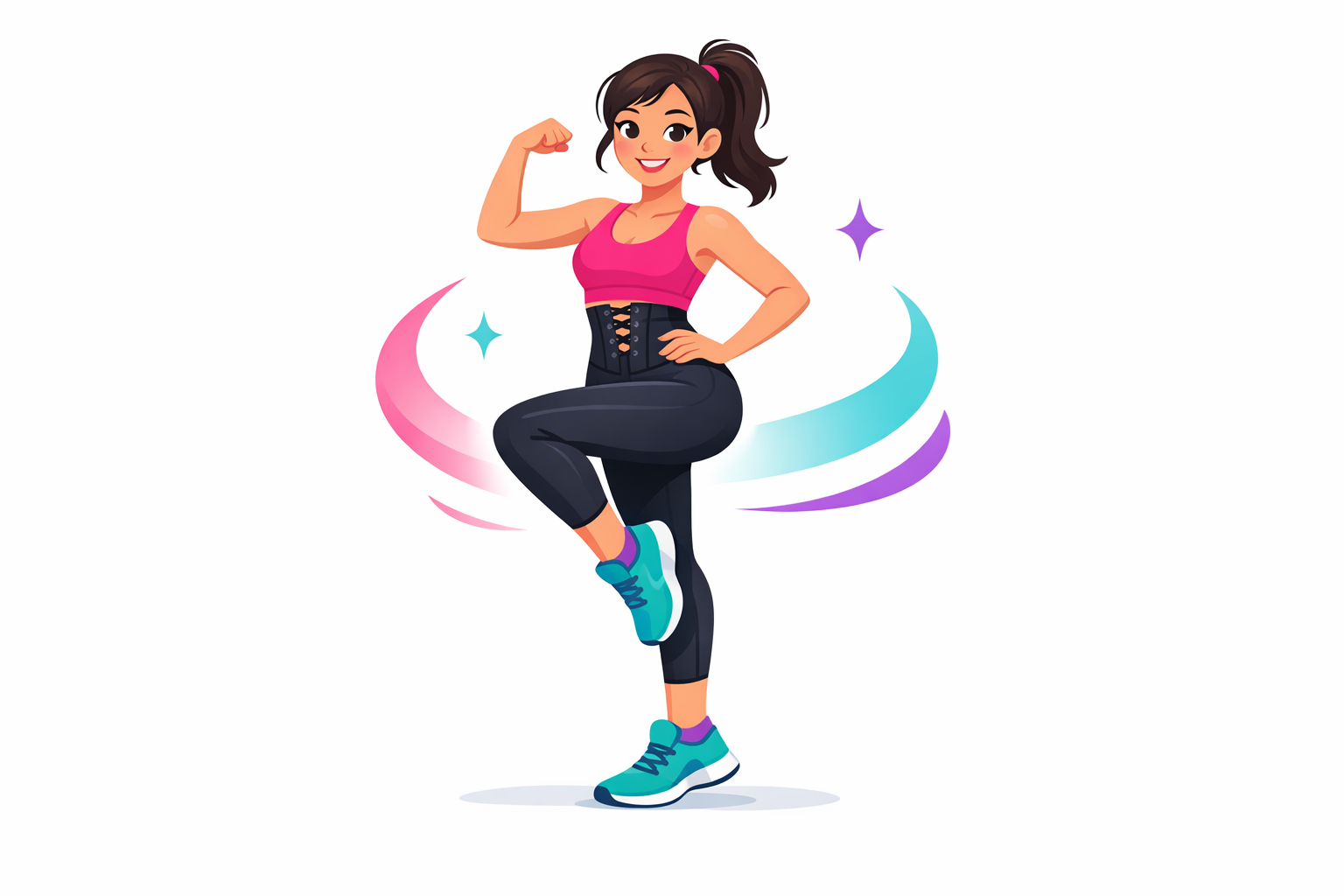

High-waist “corset” leggings sound intense, but they’re really just leggings with a structured, extra-high waistband that hugs your midsection. Think targeted support around your waist and lower belly, not old-school boning. The goal is smooth lines, a stay-put fit, and a little confidence boost when you bend, lunge, or sit through a long meeting.
We like them because they solve two common problems. First, waistbands that roll during squats or runs. Second, that in-between feeling when you want more hold than classic yoga leggings but less squeeze than shapewear. Good corset-waist styles walk that line.
Quick Comparison
What’s in this Article
- What corset-waist leggings are and why they work
- Who benefits most and who might skip
- Corset-waist leggings that actually move with you
- FAQ
- Your quick decision guide
- FAQs about corset-waist leggings
- The bottom line and next steps
The sweet spot is a tall rise and a wide band with layered fabric or power mesh. That’s what gives you structure without digging. The best pairs also pass a real squat test, breathe during heat, and recover well after the wash. When we compare, we look at compression level, waistband construction, fabric feel and weight, opacity under stretch, seam comfort, pocket placement, and long-term durability.
Real talk though. Not every body or workout needs this much hold. If you have a short torso, super-tall rises can creep toward your ribs. If you run hot or have sensitive skin, silicone grippers or heavy mesh can bug you. And if you’re deep into breath-heavy flows or bump-friendly months, lighter compression might feel better.
If you’re curious, start simple. Measure your natural waist and fullest hip, check the brand’s size chart, and try a 2-minute fit test at home. Ten squats, a quick high-knee jog in place, and a full seated slouch. If it stays put and you can take a deep belly breath, you’re on the right track.
What corset-waist leggings are and why they work
How these waistbands are built
“Corset” here means structure, not stiff hardware. You’ll see:
- Extra-high rise, usually 10 to 12 inches, with a 4 to 6 inch waistband.
- Double-knit layers or bonded panels that distribute pressure evenly.
- Power mesh lining for targeted hold at the lower belly or sides.
- V-front or crossover shapes that reduce digging and help the band lie flat.
- Sometimes a top edge with silicone dots to resist rolling.
That combo stabilizes the waistband so it anchors at your natural waist. The hold comes from fabric engineering, not boning, so you can move and breathe.
Compression you can actually breathe in
Compression ranges from light hug to firm hold. For daily wear or yoga, a medium level keeps everything smooth without squeezing your ribs. For runs or HIIT, firmer hold prevents the slow slide that makes you keep tugging your pants up. The key check is breath and bend. You should inhale into your belly and still fold at the waist without pinching.
What they do well, and the limits
Wins:
- They stay up through squats, lunges, and quick changes of direction.
- They smooth the waistline under tees and crops.
- They can reduce waistband roll and muffin-top lines.
Limits:
- Heavy mesh and thick knits can trap heat in summer.
- Short torsos can feel crowded with ultra-high rises.
- Silicone edges can irritate sensitive skin during long sessions.
If any of these sound familiar, you might want a crossover band, a slightly lower rise, or a lighter compression fabric.
Who benefits most and who might skip
Who gets the most from them
- Runners and HIIT fans who hate pulling up leggings mid-interval.
- Postpartum or core-sensitive folks who like gentle, even support.
- Curvy hips and small waists, where a structured band helps bridge the drop.
- Desk-to-gym days when you want smoothing under a tee and real performance at 5 p.m.
When to skip or adjust your pick
- If you prefer zero waist pressure for breathy flows or meditation, go lighter.
- If your torso is short, aim for a 9 to 10 inch rise or a V-front style.
- If you live in heat and humidity, prioritize lighter fabrics and mesh-free bands.
- If silicone irritates you, look for boning-free, gripper-free edges with a brushed interior.
Do this first: a 2-minute fit check
- Measure your natural waist and fullest hip, then compare to the brand’s chart.
- Check rise height against your torso. If the top edge would hit your ribs, size down in rise or pick a V-front.
- Try on with skin-tone underwear under bright light. Do 10 squats and a seated slouch. Watch for sheerness, rolling, or top-edge dig.
- Take one deep belly breath. If you can’t comfortably expand your ribs and belly, choose a lighter compression or size up.
Corset-waist leggings that actually move with you

Sculpt and support in one: high-waist corset leggings with 3-row adjustable belt, squat-proof stretch, and a booty lift. Comfy, smoothing—see the details.
$19.99 on Amazon
Price and availability are accurate as of 03/13/2026 01:16 am GMT and are subject to change.
Great if you want supportive hold without that “can’t breathe” vibe. This pair balances light-to-medium compression with a smooth, high-rise waistband, so it works for school drop-off to strength class without constant readjusting. If you’re between sizes or prefer more flex for yoga and long walks, consider sizing up, and peek at the size notes here JGS1996 Plus Size High-Waisted Tummy Control Shapewear Leggings (A-Black) before you commit.

High-rise tummy control with a secure hook-and-zip waistband that sculpts, lifts the booty, and smooths legs—comfy for workouts or errands. Check the size chart.
$47.49 on Amazon
Price and availability are accurate as of 03/13/2026 01:17 am GMT and are subject to change.
A solid, budget-friendly way to try a shaping waistband before splurging. The feel is softer and more forgiving, which makes it comfy for daily wear, travel, and mat workouts when you want gentle smoothing and no digging. New to corset-waist styles? Skim the fit guidance and color availability here SHAPELLX High-Waist Corset Leggings with Tummy Control to dial in your rise and length.

High-waist trainer leggings that actually stay put—tummy control with hook closure, squat-proof stretch, and a booty lift. Bonus: two side pockets. See sizing tips.
$23.99 on Amazon
Price and availability are accurate as of 03/13/2026 01:17 am GMT and are subject to change.
Reach for this one on high-impact days when you want extra stay-put support. The structured waistband helps resist roll-down during intervals and brisk runs, while the fabric still stretches enough for deep bends. If you like a locked-in feel, go true to size; if you prefer a bit more give for all-day wear, try one size up.
FAQ
Buying decisions
Q: How do I choose the right size and compression?
A: Start with your usual legging size and check the brand chart using waist and hip. If you are between sizes or prefer less squeeze, size up. For everyday and yoga, pick light to medium compression; for HIIT or running, go medium to firm. Short torso? Skip extra-tall rises and look for a 3 to 4 inch waistband.
Q: What’s the difference between corset-waist leggings and shapewear?
A: Corset-waist leggings have a wide, boning-free waistband built into performance leggings, so you can actually move and breathe. Traditional shapewear is underwear, often tighter and not meant for workouts. If you want hold plus sweat-friendly fabric and pockets, choose leggings. If you need outfit-smoothing under a dress, shapewear works.
Fit and comfort
Q: Will the waistband roll or dig when I sit or run?
A: A good fit at your natural waist, a gusseted crotch, and a tall, multi-layer waistband prevent rolling. Look for bonded panels or a double-layer with light elastic at the top edge, not hard boning. If it rolls, try a higher rise or size up one. If it digs, loosen the compression level or choose a V-front/crossover that relieves pressure.
Q: Are corset leggings safe for postpartum or all-day wear?
A: They are fine for most people when you choose moderate compression and listen to your body. Early postpartum, avoid very firm styles and check with your doctor, especially with pelvic floor or abdominal recovery. For all-day wear, take movement breaks and swap out if you feel pressure, tingling, or reflux. Comfort first.
If you remember one thing from this guide, make it this. The right corset-waist legging should hold you without stealing your breath. You want a supportive high rise, thoughtful waistband construction, and fabric that moves with you in real life. School drop-offs and sweaty workouts included.
We focused on fit, compression feel, waistband build, opacity, and pocket practicality because those are the things that actually change how you move and how often you reach for a pair. When it’s right, you stop tugging, your core feels gently supported, and deep squats are a non-event.
Tiny tweaks make big differences. Long torso vs short torso, curvy hips vs straighter shape, HIIT vs yoga. Choose features that match your body and your day, not a marketing claim. That is how you end up with leggings you live in.
Your quick decision guide
If you want all-day shaping without squeeze
Look for medium compression, a bonded or double-knit waistband about 4 to 5 inches tall, and no hard boning. A V-front or hourglass panel can hug the waist without digging. Prioritize brushed or peachy fabrics if you plan to lounge and work in them between workouts.
If you train hard and need stay-put support
Pick higher compression with a tall waistband and inside power-mesh panels. A silicone gripper can help on runs but may feel warm, so save it for cardio days. Go for matte, densely knit fabric that passes a bright-light squat test and has flat seams that do not rub.
If comfort and budget are top priority
Choose soft, midweight fabric with light to medium hold and a wide, folded waistband. Skip heavy shaping panels to keep the price and pressure low. Look for at least one secure pocket if you walk a lot.
Quick fit-and-function checklist
- Do the roll-down test. Reach overhead, then squat. Waist should not fold or slide.
- Bend in bright light. If you see skin or print through, size up or pick thicker fabric.
- Sit for five minutes. No digging at the top edge and no rib pressure.
- Check the gusset. A triangle or diamond gusset reduces seam stress and camel lines.
- Pocket test. Phone should fit without bouncing if you plan to run or walk.
- Heat check. If you run hot, avoid bonded panels across the full belly and pick breathable knits.
Edge cases to consider
- Sensitive stomach, reflux, or early pregnancy. Choose light compression and a soft fold-over waistband. Skip grippers.
- Pelvic floor or hernia history. Talk to your PT and stick to gentle compression.
- Long torso. You may need an extra-high rise and a taller waistband to avoid gaps.
- Very curvy hips. Consider a V-shaped front and back seam that releases over the glutes.
FAQs about corset-waist leggings
Are corset waistbands safe for workouts?
Yes when they are boning-free and use flexible knit or mesh panels. You should breathe and brace easily. If you feel pressure when you exhale or any tingling in the legs, switch to lighter compression or a standard high-rise.
How tight should they feel?
Snug but not restrictive. You should slide two fingers under the waistband without effort. If you need to peel them off or the top edge leaves deep marks, size up or try a softer waistband build.
How do I stop roll-down?
Start with the right rise for your torso. A taller waistband with internal power mesh holds better during dynamic moves. If you are between sizes, try the smaller waist with more stretch in the hip fabric. For running, a gripper strip can help, but it can feel warm, so use it for shorter efforts.
Will they be see-through when I squat?
Opacity depends on fabric density and fit. Dark, matte knits with at least 20 percent elastane usually pass. Do the bright-light test in your usual underwear. If you see sheerness, try a darker print, thicker knit, or size up.
Do corset leggings help posture?
They can remind your trunk to stay organized by giving gentle feedback around the waist. They are not a posture device. You still need core work and good movement patterns.
How do I wash them to make them last?
Wash cold, inside out, with like colors. Skip fabric softener so the stretch and grippers keep working. Hang dry. Heat breaks down elastane and laminated panels quickly.
The bottom line and next steps
You do not need the tightest pair on the internet to feel supported. Match compression to your day, pick a waistband that stays put without digging, and check opacity before you commit. Then wear them often and move in ways that feel good.
Your next move
- Pick one pair for your primary use. Yoga, runs, or all-day wear.
- Cross-check rise and waistband style with your torso length.
- Order two sizes if you are on the fence and keep the one that passes the squat and sit tests.
- Wash cold, hang dry, and rotate pairs to extend lifespan.
If you are still unsure, start with a medium-hold style from our top picks, wear them on a walk, and notice how your core and breath feel. Comfort first. Consistency follows. And that still counts.

Leave a Comment