
What’s in this Article
- What Compression Feels Like on the 0–5 Scale
- Benefits and Tradeoffs to Know Before You Buy
- Recommended picks (optional)
- FAQ
- Quick decision guide: choose your compression today
- FAQs about the 0–5 compression scale
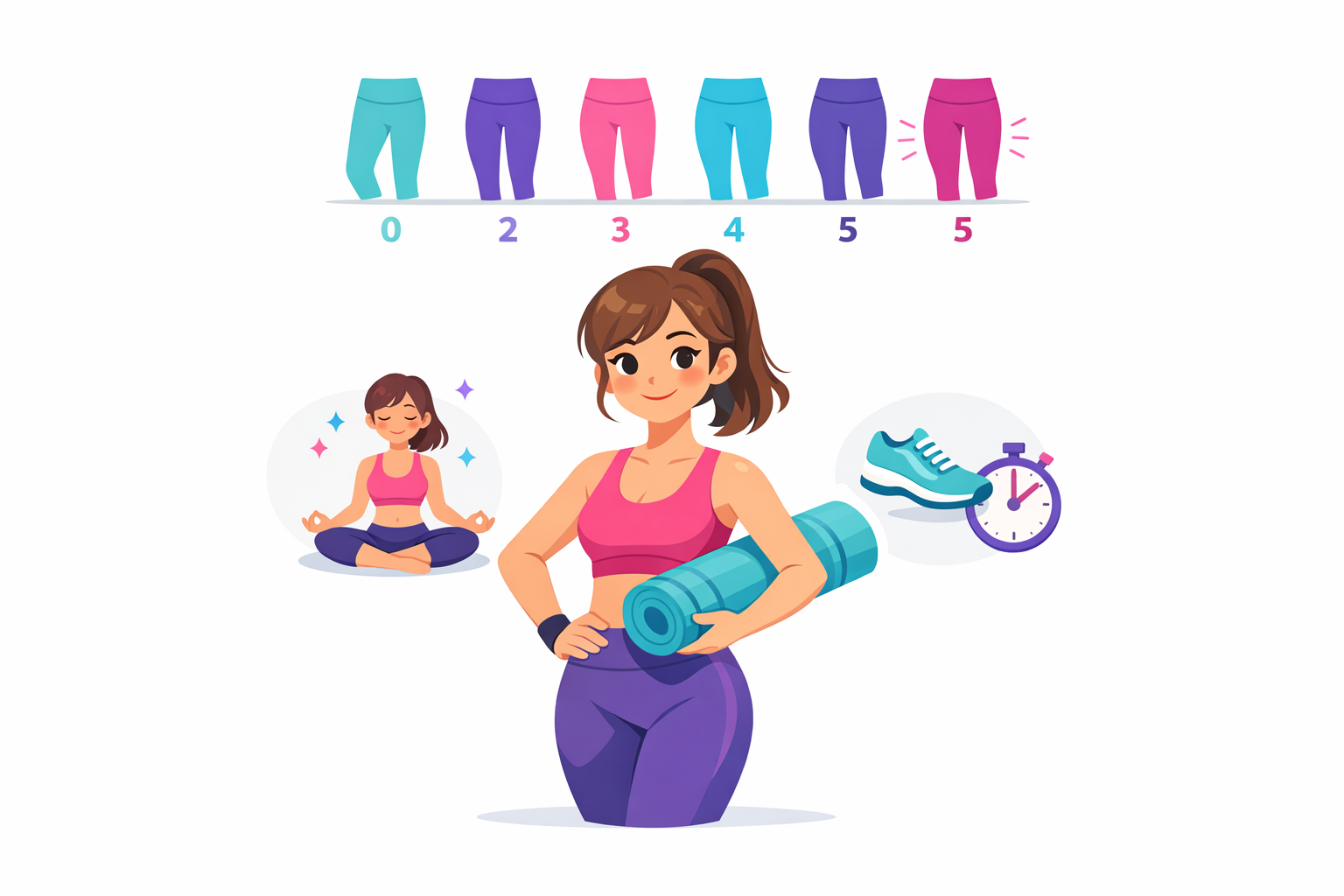
If you have ever bought leggings or a sports bra that felt amazing in the dressing room and wrong mid-workout, you are not alone. A lot of that comes down to compression. Think of compression as how much squeeze your gear gives you on a 0 to 5 scale. Zero is lounge pants. Five is serious hold for high impact or recovery.
We use this scale to match how snug your leggings and bras should feel to what you actually do. Yoga, walking, and HIIT ask for very different levels of support. The trick is finding your sweet spot so you feel secure without losing comfort or range of motion.
There is no global standard for compression ratings. Brands describe it in different ways. Still, the feel is consistent enough that we can translate it. We will show you what each step on the scale feels like, when to wear it, and what to look for in fabric and construction.
We will also cover the tradeoffs. More compression can boost stability and reduce bounce, but it can trap heat or restrict deep breaths if you go too tight. The right choice depends on your body, your sport, and your preferences.
Do this first: grab a soft tape measure. Note ribcage and full bust, waist, high hip, low hip, and mid-thigh. Jot your top two activities by minutes per week. That gives you a starting point for the scale below and helps you evaluate fit with quick tests like the squat test, the jump test, and a deep-breath test.
What Compression Feels Like on the 0–5 Scale
0: Lounge-level
- Feel: Soft, drapey, zero squeeze. Think cotton or modal blends, light jersey knits, unstructured bralettes.
- Best for: Rest days, gentle stretching, errands, travel days when you want airflow and zero pressure.
- Fit tests: You can pinch more than an inch of fabric at the waistband. Bra band slides easily over your ribcage. Lots of bust movement on a jump test.
- Watchouts: Not enough support for yoga inversions or any impact. Opaque coverage can be hit or miss in deep squats.
1–2: Light hold
- Feel: A gentle hug that smooths without clamping. Breathable, pliable fabrics with easy stretch and light recovery.
- Best for: Yoga, Pilates, mobility work, walking, hikes, strength days with low to moderate loads. Good all-day wear if you dislike tight clothing.
- Fit tests: Two-finger space under bra band is easy. You can take a full belly breath without the band riding up. Squat test stays opaque if the fabric has decent density. Some jiggle remains in high knees or jumping jacks.
- Watchouts: For larger busts or sprint work, this level may bounce too much. Waistbands can roll on short torsos if they are too tall and soft.
3: Moderate support
- Feel: Noticeable hold with stretch and snap-back. Feels secure through multi-direction movement without cutting off breath.
- Best for: Power yoga, circuit sessions, tempo walks, easy runs, lifting, dance cardio. Daily training for many bodies.
- Fit tests: Waistband stays put in lunges and planks. You can inhale fully and talk in complete sentences. Jump test shows clear bounce reduction. Fabric passes squat test with no sheerness and minimal shifting.
- Watchouts: If you run hot, pick breathable knits or mesh zones. If you are between sizes, sizing down can feel great at first but may leave marks after long sessions.
4: Firm support
- Feel: Locked-in stability. High-density knits or tighter warp knits with strong recovery. Bra bands feel anchored and straps do real work.
- Best for: HIIT, sprints, agility drills, box jumps, heavy lifts, and larger cup sizes during impact. Leggings for long runs if you like muscle containment.
- Fit tests: Jump test shows strong bounce control. Waistband does not roll in burpees. You can breathe deeply, but it may feel more rib-caged. No shifting during fast lateral moves.
- Watchouts: Heat buildup and bathroom breaks can be harder. If you feel tingling, numbness, or rib pain, back off the level or adjust size.
5: Maximum compression
- Feel: Very tight on first pull. Feels like armor with minimal movement of soft tissue. Often used for specific needs.
- Best for: Short, high-impact bursts for larger busts, race day, or recovery leggings for travel after hard efforts.
- Fit tests: Zero bounce is the goal, but you must still take a full breath and rotate comfortably. Leggings should not create sharp pressure marks within minutes.
- Watchouts: Not ideal for long yoga sessions or deep breathing work. Avoid for pregnancy or post-surgery unless cleared by your clinician. Can trap heat and limit stride if overdone.
Benefits and Tradeoffs to Know Before You Buy
Why compression can help
- Reduces soft-tissue jiggle and muscle oscillation, which can improve comfort on impact.
- Adds proprioceptive cues. A snug band or leg panel can remind you to stack ribs and hips.
- Controls friction. A stable fit limits seam rub on long walks or runs.
- Boosts confidence. Feeling held can let you focus on form and pace instead of adjusting gear.
What you give up as compression increases
- Breathability. Denser knits trap more heat and may feel swampy in humid gyms.
- Range of motion. High squeeze can shorten your stride or limit deep squats if the fabric recovery is too aggressive.
- Quick changes. Firm fabrics are slower to pull on or off, which matters for mid-workout bathroom breaks.
How to evaluate quality before you commit
- Fabric weight and knit density: Heavier interlock or warp-knit fabrics usually support better and stay opaque in a squat test.
- Stretch and recovery: Look for strong snap-back after a gentle pull. Saggy knees or a bra band that waves after stretching means poor recovery.
- Waistband and band design: Wider bands with even pressure distribute hold better than narrow, stiff ones. Check height vs your torso length to prevent rolling.
- Construction details: Flatlock seams reduce chafe. A gusset in leggings improves mobility. For bras, encapsulation panels and wider straps increase support without cranking overall squeeze.
- Breathability and moisture management: Mesh zones at heat points and quick-dry finishes keep you cooler during HIIT.
- Opacity and coverage: Do a bright-light squat test for leggings and a forward-fold mirror check for bras.
Real-world limitations to keep in mind
- Bodies change day to day. Hormonal shifts and heat can cause swelling, so your perfect fit on Monday may feel tight on Friday.
- Health edge cases: If you have varicose veins, lymphatic issues, sensitive skin, or are postpartum, consult your clinician about safe compression levels and duration of wear.
Recommended picks (optional)
A simple starter option
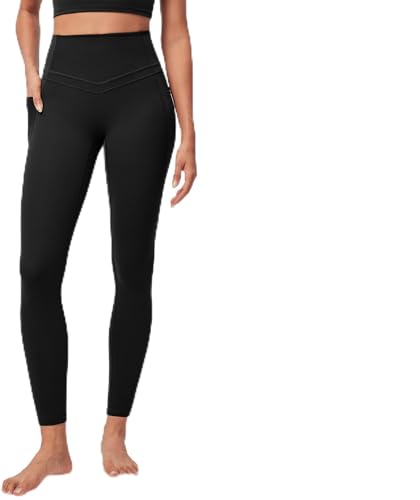
Sculpting leggings and a cross-back bra that stay comfy—tummy control, hip lift, pockets, and full-coverage support from studio to street. Take a closer look.
$46.98 on Amazon
Price and availability are accurate as of 03/04/2026 05:10 pm GMT and are subject to change.
If you’re testing the 0 to 5 compression scale, this is a low-stress place to start. We like it for yoga, long walks, and strength days when we want comfort and a light to moderate hold. It also makes sense if you’re between sizes or easing back into workouts. Use it to learn your sweet spot before moving to firmer options for HIIT.
FAQ
Sizing and fit
Q: How do we know if compression is too tight?
A: Pain, tingling, or numbness are red flags. If breathing feels restricted or the waistband digs or rolls, it is too tight. You should squat and lunge with full range. You should slide two fingers under the band without strain.
Q: Should we size up to get less compression?
A: Not usually. Size and compression are different. Try a lower compression level or a softer fabric first. Size up only if you are between sizes or the seams pull.
Activity matching
Q: What compression level should we pick for yoga, walking, and HIIT?
A: Yoga: 1–2 for gentle flows, 3 for hot or power. Walking: 1–2 for easy comfort. HIIT: 3–4 for most, 5 if you do sprints or plyo and like a locked-in feel.
Q: How about sports bras for different impacts?
A: Low impact like yoga or Pilates: 1–2. Medium like strength or cycling: 3. High like running or HIIT: 4–5. If you are between sizes or cup-heavy, go up one level.
Care and longevity
Q: How do we wash to keep compression strong?
A: Cold water. Gentle cycle. No fabric softener. Close hooks and zips. Use a mesh bag. Air dry flat or hang. Rotate pairs so fibers recover.
Q: When should we replace compressive gear?
A: If it bags out, slides during jumps, or the band will not recover after a wash. When prints crack or seams wave. Most active pieces last 9 to 18 months with regular use.
If we strip it down, the 0–5 compression scale is a simple tool. Lower numbers feel relaxed and stretchy. Higher numbers feel locked in. We pick our spot on that spectrum based on what we are doing and how our bodies feel that day.
In practice, that means yoga and long walks are happier at the light end. Lifting, hiking, or a day of errands sits in the middle. Sprints and burpees need the most control, especially for a sports bra. Size and compression are different levers. Start with your usual size, then adjust the compression level with fabric, panels, and features.
One more thing most size charts miss. Our bodies change week to week. Some days you want a softer hug. Other days you want that firm hold. It is normal to keep two go‑to levels in rotation.
Ready to make the swap? Here is how to pick smarter and feel better the very next workout.
Quick decision guide: choose your compression today
Yoga, mobility, and pilates
- Leggings: 0 to 2 for easy breathing, deep lunges, and seated twists.
- Bras: 1 to 2 if you are A–C cup. 2 to 3 if you are D+ and prefer more hold in inversions.
- Look for brushed or ribbed knits and minimal seams.
Walking, strength days, and all‑day wear
- Leggings: 2 to 3 for balance of movement and muscle support.
- Bras: 2 to 3 for everyday stability without digging.
- Choose wide waistbands, gussets, and fabrics with soft compression and good recovery.
HIIT, running, and jump‑heavy workouts
- Leggings: 3 to 4 to reduce jiggle and keep waistbands put.
- Bras: 4 to 5 for bounce control, especially D cup and above.
- Look for higher spandex content, bonded panels, and adjustable straps or bands.
Curvy, busty, or postpartum notes
- Prioritize band stability. A firm but comfortable band at 3 to 4 often beats ultra tight cups.
- Try encapsulation bras for high impact. They reduce vertical and lateral movement.
- For leggings, a high rise with double knit waistband can feel secure without pinching.
Action plan checklist
- Measure today. Underbust snug, overbust relaxed. Hip and natural waist.
- Pick a target activity. Choose a level from the guide above. Start with your true size.
- Do a try‑on circuit: deep squat, forward fold, lunge, 10 jumps. Breathe in and out fully.
- Check pressure points: straps, underbust, waistband. No rolling, no sharp digging.
- Do the thumb test: you can slip a thumb under the band or waistband without a struggle.
- Move for two minutes. If you are thinking about your outfit more than your workout, try a different level.
- Keep two levels in rotation. One lighter, one firmer. Swap based on the workout and your body that day.
Edge cases to note
- If you have circulation issues, pelvic floor concerns, or are pregnant or early postpartum, start lighter and talk to your provider before wearing firm or maximum compression.
- Hot climates and long sessions can make firm compression feel harsher. Drop one level or choose mesh panels and moisture‑wicking fabrics.
FAQs about the 0–5 compression scale
Does higher compression mean I should size down?
Not automatically. Compression is mainly about fabric power and construction. Start with your usual size. If the fit is right but the hold feels too soft, move to a higher compression fabric or a style with more panels. Size down only if the garment rides up, gaps, or you can pull more than an inch from the body without resistance.
How should the right compression feel on the body?
Snug and secure, not painful. You can take full breaths. You can raise your arms and twist without the band creeping. Leggings stay put through squats and stairs. Red marks that fade quickly are fine. Angry welts or numbness are a no.
Can I mix compression levels in one outfit?
Yes. Lots of us do. For example, a firm bra at 4 or 5 with moderate leggings at 3 for sprints. Or light bra at 2 with firm leggings at 4 for lifting. On high bloat or high impact days, bump your top or bottom up one level. On recovery days, drop one.
Will more compression improve performance or recovery?
For high impact, firmer compression reduces bounce and distraction, which can help your form and confidence. Moderate compression can improve body awareness during strength work. Recovery benefits are mixed person to person. If firmer gear makes you move better and feel less sore, keep it. Comfort still wins.
How do I care for compression pieces so they last?
Wash cold and line dry. Skip fabric softener. Close hooks and use a wash bag for bras. Rotate pieces so the elastic recovers between wears. If a waistband starts rolling or fabric gets shiny and loose, it is time to replace.
What if my size lands between two levels?
Choose the level based on your main activity. If you split time evenly, pick the lighter level for comfort, then add features that add control like adjustable straps or a double‑layer waistband. You can always anchor with a grippy band or longer bra line for extra stay‑put power.
You know your body best. Use the scale to make faster choices, trust your cues, and give yourself options. The right compression should help you forget about your outfit so you can focus on your workout.
Leave a Comment