
What’s in this Article
- What you really need your workout clothes to do
- Fabric decoder you can feel with your hands
- Recommended picks (optional)
- FAQ
- Your quick action plan for happier workouts and longer-lasting gear
- FAQs we all quietly Google
We love a cute set, but fabric is what decides if we feel confident or distracted mid-workout. The right material moves sweat off our skin, keeps us covered in deep squats, and survives the wash without turning fuzzy.
This guide breaks down how different fabrics actually behave on our bodies and in real life. We will show you quick feel-it-in-the-store tests, how to match material to your workout and climate, and simple laundry habits that make gear last.
We judge activewear on concrete things: moisture wicking, breathability, stretch and recovery, opacity under tension, seam comfort, and abrasion resistance. Dry time and odor control matter too, especially if you train often or commute in your gear.
There are limits. Cotton can feel amazing but can cling and chill once soaked. Fleece is cozy for warm-ups but gets swampy in spin class. Some of us are sensitive to certain finishes or dyes, and polyester can hold odor if you skip proper care.
Do this first: grab one piece from your drawer and read the fiber label, then do a 10-second pinch-and-stretch test on a thigh panel. If it bags out or turns sheer, you already know what to upgrade.
What you really need your workout clothes to do
Sweat, airflow, and dry time
We want fabric that pulls moisture off skin and spreads it out so it can evaporate. Look for a smooth inner face that feels slightly cool to the touch and a knit that is not too dense for your climate. Lightweight polyester blends usually dry fastest. Nylon blends are a close second and often feel softer. If you run hot, seek mesh zones at the back, underarms, or behind knees.
Stretch, recovery, and coverage
Four-way stretch should snap back, not bag out. Do the pinch-and-stretch test on a thigh or seat panel. Hold it stretched for five seconds, let go, and see if it rebounds cleanly. For coverage, hold leggings to light, then do a squat test in front of a mirror. If you see skin or underwear outline, that fabric is too thin or the fit is off for that workout. Compression for running should feel supportive without cutting off movement. Yoga fabrics can be softer but still need recovery.
Seams, waistbands, and skin
Flatlock seams reduce rubbing. Bonded seams feel smooth but can pop if the fabric is over-stretched. A gusset in leggings helps prevent camel toe and splitting stress. High waistbands should lay flat without rolling when you twist. If you have eczema or chafe easily, choose smoother knits like brushed nylon blends or merino, and look for tagless labels and clean seam finishes. Long rides and humid runs magnify friction, so seam placement and fabric finish are key.
Fabric decoder you can feel with your hands
Cotton with spandex
Soft, breathable, and comfy for walking, Pilates, or recovery days. It absorbs sweat and dries slowly, which can feel heavy in HIIT or summer runs. Expect more shrinkage and fading over time. Care tip: wash cold and air dry or low heat to keep the fabric smooth and the stretch lively.
Polyester blends
Top pick for fast-drying, high-sweat sessions. Feels slick and cool, often with a subtle shine. Great at wicking and quick to dry on a gym floor or between classes. Can trap odor if you use too much detergent or skip vinegar or sport wash. Snags on rough edges or Velcro are possible, so be mindful in the weight room.
Nylon blends
Usually the softest performance feel with strong abrasion resistance. Better at resisting pilling on barbells or benches than many poly jerseys. Slightly slower to dry than polyester but more durable in leggings and bras. Stretches beautifully when paired with spandex and recovers well for squat-proof coverage.
Fleece and sherpa
Warmth layers for to-and-from, hiking breaks, or cold warm-ups. Not for heavy sweat since they trap heat and moisture. Expect longer dry times and some pilling with frequent wash and wear. Pick smooth-faced technical fleece if you want less lint and easier layering under jackets.
Stretch scrubs and work-to-gym sets
Structured look with hidden stretch, usually polyester, rayon, or nylon with spandex. Comfortable for errands or light strength circuits. Wicking is moderate, and coverage is good, but airflow is lower than true performance knits. If you sweat heavy, bring a backup top.
Merino or wool blends
Naturally odor resistant and great at regulating temperature from chilly starts to warm finishes. Feels drier on the skin than cotton when damp. Pure merino can be delicate, so blends with nylon improve durability. It costs more and needs gentle wash and low heat. A small group of us may find it itchy, so try it on bare skin before committing.
Recommended picks (optional)
A simple starter option
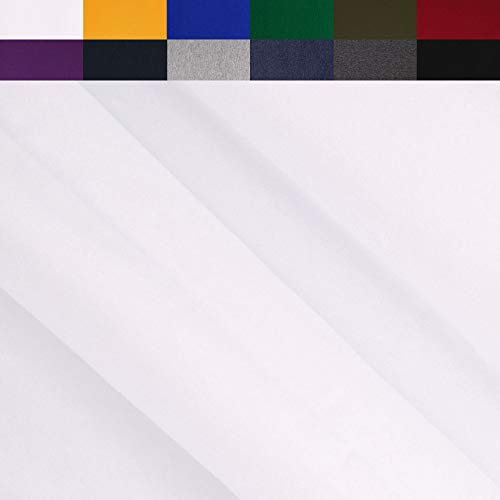
Soft, breathable 95/5 cotton-spandex with 4‑way stretch—great for tees, leggings, and loungewear. 60″ wide pre-cut pieces, sold individually. Pick a color to start.
$16.90 on Amazon
Price and availability are accurate as of 03/24/2026 11:01 am GMT and are subject to change.
Great if you’re building your first activewear kit and want an easy, no-fuss staple. We reach for this when we bounce between yoga, walks, and light strength and want something that washes well and feels predictable.
A more sweat-ready option

Double-sided sherpa: smooth knit outside, fuzzy fleece inside. 25% stretch for comfy hoodies, loungewear, and kids’ apparel. Easy-care polyester – soft, warm, snuggle-ready.
$17.00 on Amazon
Price and availability are accurate as of 03/24/2026 01:28 pm GMT and are subject to change.
Good pick if your workouts run hot and you want a set you can rotate often without special care. We like this for spin, bootcamps, or any day we know we’ll be pouring sweat and need a quick turn in the laundry.
A cozy layer for cool days

Cozy two-piece with soft, breathable fabric and flattering high-waist wide-leg pants. Minimalist, mix-and-match style for lounge, workouts, or errands. Curious? Peek inside.
$14.99 on Amazon
Price and availability are accurate as of 03/24/2026 08:53 am GMT and are subject to change.
Ideal for chilly mornings, outdoor warmups, or drafty gyms. We throw this on to start, then peel it off once we’re warm, and it still feels good for post-workout errands.
A work-to-gym basic

Soft, breathable two-piece with a flattering high-waist wide leg. Easy to mix, match, and layer from sofa to street – machine washable and keeps its shape. Pick your color.
$15.99 on Amazon
Price and availability are accurate as of 03/24/2026 10:40 am GMT and are subject to change.
Nice for days you want one outfit that moves from desk to dumbbells. Clean lines, comfortable feel, and simple care make it easy to wear all day and train without overthinking it.
FAQ
Fabric basics
Q: What fabric is best for sweaty workouts?
A: We reach for polyester or nylon blends with spandex. They wick, dry fast, and move well. Save heavy cotton for low sweat days.
Care and washing
Q: How do we wash leggings so they keep their stretch?
A: Turn them inside out. Cold water, gentle cycle, mild detergent. Skip fabric softener and bleach. Air dry flat or hang.
Q: How do we get stubborn odors out of activewear?
A: Pre‑soak in cold water with a splash of white vinegar or a sports wash. Wash cold. Add baking soda only now and then. Air dry. Heat sets odor.
Fit and longevity
Q: When should we replace sports bras and leggings?
A: Bras last about 6 to 12 months with regular use. Replace if the band creeps, straps slip, or support drops. Leggings often last 1 to 2 years. Retire them if they get shiny, thin, or see‑through, or the waistband rolls.
We covered a lot, but the basics are simple. Pick fabrics that match how hard you sweat, where you live, and what feels good on your skin. Notice the build details that stop chafe and slippage. Then wash gentle, skip softener, and air dry.
Small changes go a long way. Turning clothes inside out, using a mesh bag, and drying on low or line drying adds months to their life. Pre-treating sweaty spots keeps odor from setting in. Rotating bras and leggings gives the elastic time to recover.
If you remember nothing else, remember this. Choose for your activity and climate. Wash cold and gentle. Dry slow.
Your quick action plan for happier workouts and longer-lasting gear
Decide fast: fabric and fit at a glance
- High sweat or intervals: polyester or nylon blends with at least a little spandex. Smooth, quick-dry, and moderate compression.
- Yoga, Pilates, lifting days: nylon with spandex for stretch and drape, or cotton with spandex if you run cool and want softness.
- Running in heat or humidity: lightweight polyester blends with mesh panels, flat seams, and no bulky pockets.
- Cold outdoor sessions: merino or wool blend base layer, then nylon or polyester mid and outer layers.
- Sensitive skin: higher cotton content or merino blends. Look for flat seams and tagless waistbands.
- Durability cues: wide waistbands, gussets, reinforced seams, and smooth interiors that will not rub.
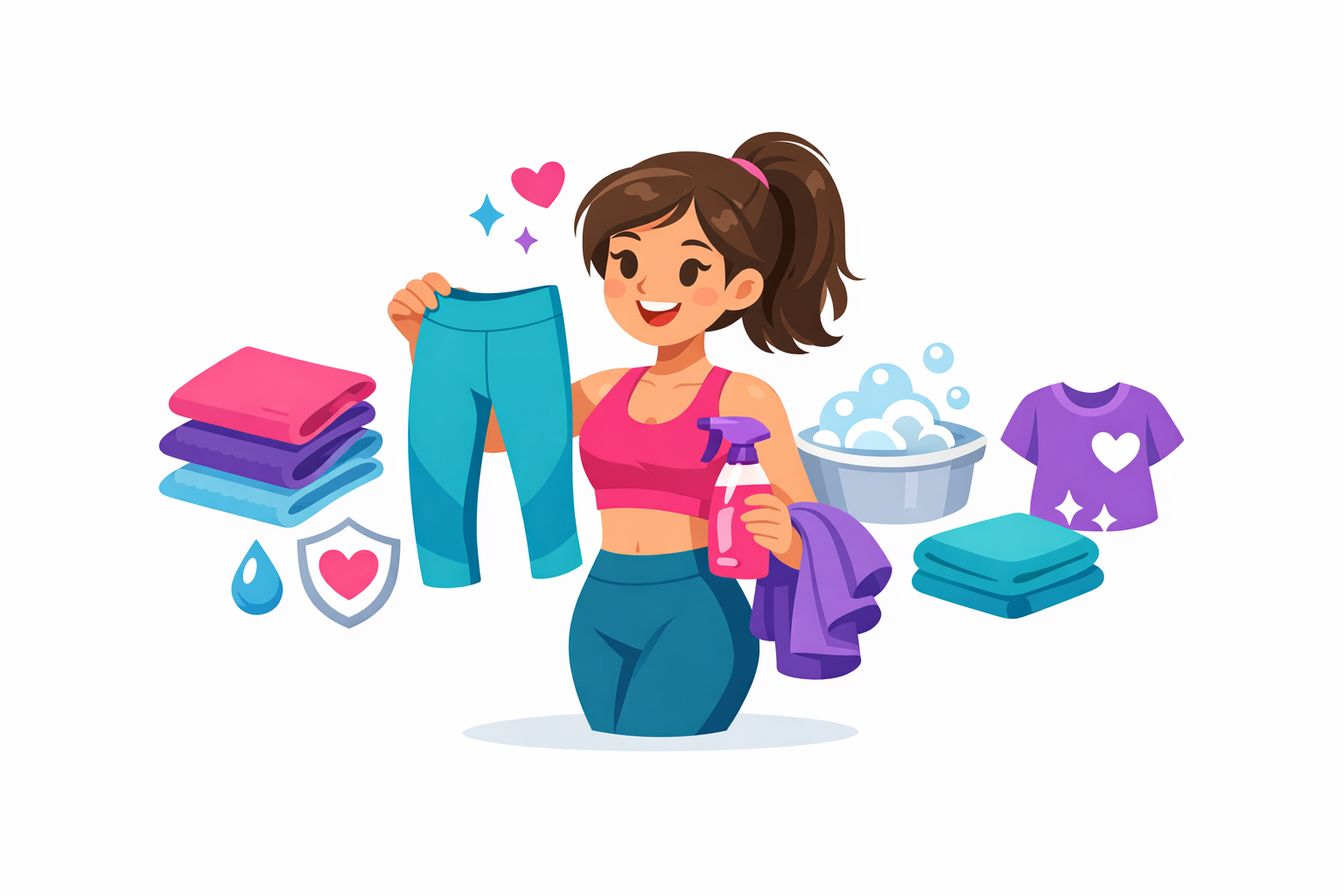
Simple laundry toolkit that actually helps
- Mesh laundry bags for leggings, bras, and tops.
- Enzyme-based sport detergent or a gentle unscented detergent.
- White vinegar for pre-soaks and stink defense.
- Soft brush or old toothbrush for underarm and collar buildup.
- Stain stick or paste for sunscreen and makeup marks.
- Microfiber-catching laundry ball or filter bag to reduce shedding.
- Drying rack with clips for bras and lined leggings.
Weekly care routine in five minutes
- Empty pockets, close zippers, and turn items inside out.
- Rinse super sweaty gear right after workouts if you can. Even a 30 second rinse helps.
- Spot treat underarms and waistbands with a little detergent or vinegar solution.
- Wash cold on gentle. Small loads clean better.
- Use less detergent than you think. Extra rinse if odor lingers.
- Skip fabric softener. It clogs performance fibers.
- Air dry or tumble low for 10 minutes, then finish on a rack.
Edge cases to watch
- Hard water can trap odor. Add a splash of white vinegar to the rinse or try a water softener additive.
- Padded sports bras and molded cups can warp in a machine. Hand wash or use a structured mesh bag. Reshape while damp.
- Dark and neon colors may bleed at first. Wash them separately the first few times and keep them out of direct sun when drying.
FAQs we all quietly Google
Do we really need special detergent?
Not always. A gentle detergent with enzymes works well. If stubborn odor shows up, use a sport-specific formula or add a vinegar rinse. The real win is cold water, small loads, and no softener.
Can we machine dry leggings?
You can, but keep it low and short. Heat ages elastic. Ten minutes on low to de-wrinkle, then finish on a rack. If your dryer runs hot, skip it and hang dry.
How often should we wash sports bras?
Every 1 to 2 wears, or every wear if it was a drippy workout. Rotate at least two bras so the elastic recovers between sessions.
Why do clothes still smell after washing?
Detergent residue, softener buildup, or hard water can trap stink. Try less detergent, an extra rinse, and a vinegar pre-soak. Wash inside out so sweat salts and oils actually rinse away.
How do we keep black leggings from fading?
Wash cold, inside out, with like colors. Use a gentle detergent, no bleach, and keep them out of high heat and direct sun. A short, low tumble followed by air dry helps color last.
Are fabric softener alternatives safe?
Wool dryer balls are fine for towels and cotton. For performance fabrics, go without. If you want softness, a tiny splash of white vinegar in the rinse breaks static without coating fibers.
What if I have sensitive skin or eczema?
Choose merino blends or cotton with a bit of spandex. Wash new pieces before wearing, use unscented detergent, and avoid softeners and heavy fragrance. Rinse well and air dry to reduce residue.
Can I wear cotton for hot workouts?
You can, but it will hold sweat and can chafe. If you love the feel, look for cotton with spandex in looser fits and save it for strength days or cooler studios.
Here is our quick decision recap. Match fabric to sweat level and climate. Choose fit details that keep you comfortable. Build a tiny laundry routine you can stick to. Those three choices make your workouts feel better and your closet last longer.
Leave a Comment