
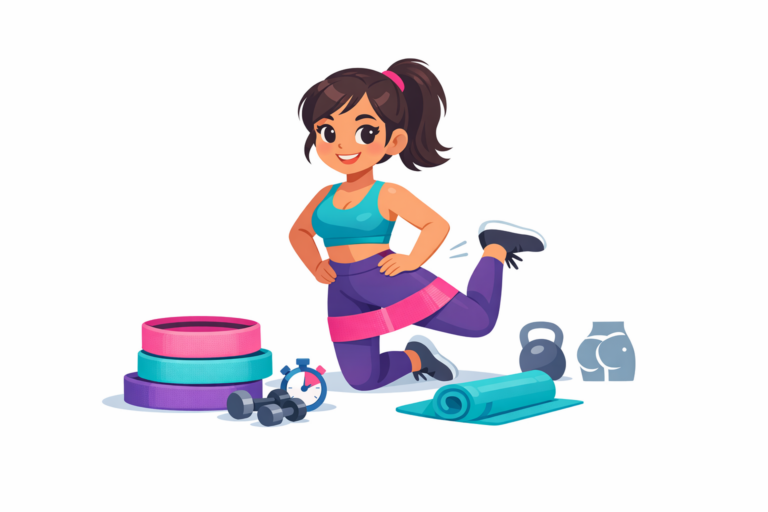
If you’ve got a loop band in a drawer and five spare minutes while the coffee brews, you’ve got a glute workout. Resistance band glute exercises are simple, joint friendly, and they meet you where you are. We’re focusing on the basics so your hips actually fire and your knees feel supported.
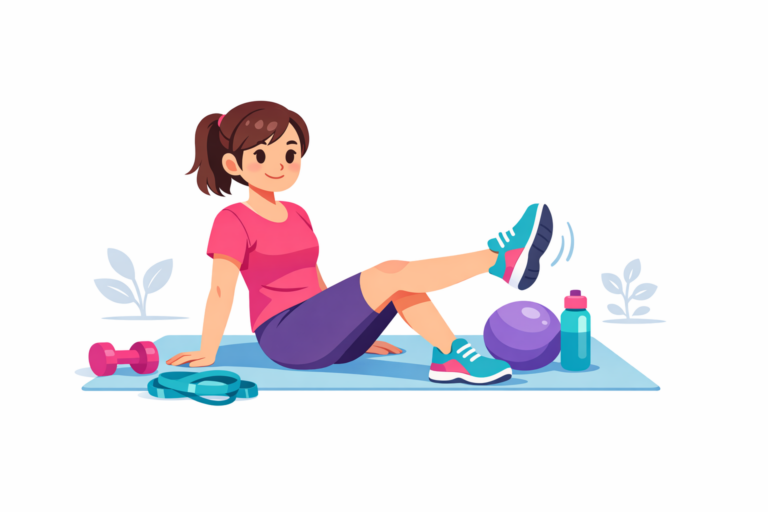
This guide is for beginners and busy intermediates who want strong, reliable glutes without a lot of equipment. We’ll use mini loop or fabric bands you can stash in a gym bag. A mat helps. A chair or couch edge is perfect for bridges or hip thrusts.
Quick Comparison
What’s in this Article
- Why train glutes with bands
- A warm up that actually fires your hips
- Bands that make glute days easier
- FAQ
- Keep your momentum
- Make it yours next week
What you can expect here: a quick warm up that teaches your hips to hinge and your glutes to switch on, five bread-and-butter band moves with clear cues, sets and reps, band choices, common mistakes, easy fixes, and simple progressions. You’ll also get a mini weekly plan so you know exactly what to do next.
Do this first: grab a light or light-medium loop band and place it just above your knees. Do 5 slow bodyweight squats. If your knees cave in, the band is too heavy. If you only feel your quads, try a lighter band and sit back more so your hips load first. We want smooth reps, knees tracking over your middle toes, and tension you can control.
Two honest notes before we start. Bands are amazing for activation, endurance, and solid strength in higher rep ranges. If your goal is max strength or heavy muscle gain, you’ll eventually need heavier loads. And if you have sharp hip or low back pain with any move, skip that variation and stick to the warm up or see a pro for clearance.
Why train glutes with bands
Big benefits in small spaces
Bands add lateral and diagonal tension your body rarely gets from machines or bodyweight alone. That means better glute med and glute max engagement, which helps with knee alignment, hip stability, and low back comfort. They also keep constant tension through the full range, so you can train effectively in short sets at home, in a park, or between meetings.
Who this style suits, and when it falls short
Great fits: beginners relearning hip mechanics, runners who want knee-friendly strength, postpartum return-to-movement, and anyone who needs portable gear. Less ideal: athletes chasing heavy single-rep strength or folks who already lift heavy and only use the thickest fabric band for every move. Bands can complement heavy training, but they won’t fully replace progressive external load.
How to tell if your setup is working
Use clear feel checks and form checkpoints:
- You feel work in your butt and side hips, not your knees or low back.
- Knees track over the middle toes with light outward pressure on the band, not a shove.
- You hit full hip extension without arching your lower back.
- You keep your ribs down and pelvis level, even as tension builds.
- Last 2 reps feel tough but clean. Rate of perceived exertion around 7 to 8 out of 10.
- The band doesn’t roll or snap because you’re controlling speed and range.
A warm up that actually fires your hips
Reset breath and posture, 60 to 90 seconds
- Stand tall with feet hip width, soften your knees.
- Inhale through your nose, feel your ribcage widen.
- Exhale through your mouth, ribs knit down, slight tuck of the pelvis.
- Keep that quiet brace. Think long spine, chin tucked slightly.
Groove the hip hinge, 2 sets of 8 slow reps
- Stand a foot from a wall, feet hip width, toes forward.
- Push your hips back to tap the wall with your glutes. Shins stay mostly vertical.
- Keep ribs down, weight in midfoot and heel, knees soft.
- Stand tall by squeezing glutes, not by cranking your lower back.
3-minute activation circuit
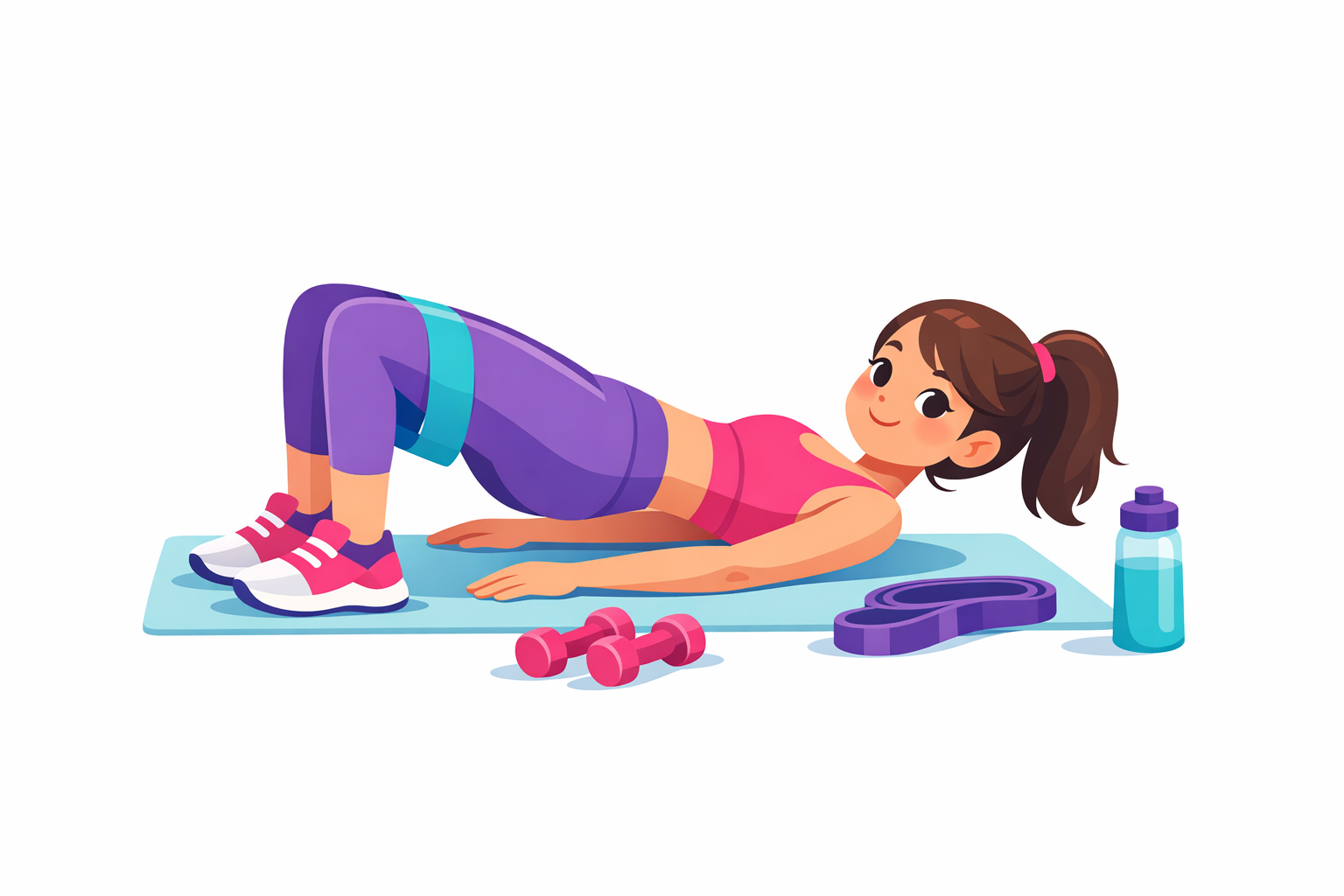
- Glute bridge hold, 2 rounds: 10 reps with a 2-second squeeze at the top. Band above knees. Knees track over toes. Feel both glutes equally.
- Side-lying clamshells, 1 round each side: 12 to 15 reps. Hips stacked, small range, slow open and close without rolling your pelvis.
- Standing lateral steps, 1 round each direction: 10 to 15 controlled steps. Band above knees or at ankles. Toes forward, tiny steps, hips level.
Feel checks during warm up:
- You feel the outside of your hips wake up on clams and steps.
- Your lower back stays calm during bridges.
- Knees don’t crash inward as the band pulls. If they do, lighten the band or shrink the range.
Now you’re primed. Your hips know where to go, your knees feel supported, and your glutes are switched on.
Bands that make glute days easier
Mini loop for walks, bridges, and clamshells

Three no-slip bands (20–70 lbs) that hit glutes, legs, and core—great for Pilates or home workouts. Packs in a mesh bag. Pick your level and get moving.
$29.99 on Amazon
Price and availability are accurate as of 09/12/2026 07:58 am GMT and are subject to change.
Perfect for lateral walks, bridges, and clamshells, this short-loop hip band shines when you want crisp knee alignment and steady tension without bulky gear. If you’re easing in, start with a lighter level and build up as 20 reps feel smooth. Grab it here when you’re ready to level up Vesstra Non‑Slip Fabric Booty Bands, Set of 3 (Light/Medium/Heavy).
Versatile loop for split squats and hip thrusts

Grab-n-go loop bands with five resistance levels for glutes, legs, and mobility. Durable latex, color-coded, and a carry bag so you can train anywhere—pick your level.
$9.99 on Amazon
Price and availability are accurate as of 09/12/2026 08:38 pm GMT and are subject to change.
[[PRODUCT_COPYSTART_2]]
A longer loop band adds strength work without weights, especially for Bulgarian split squats, band-resisted hip thrusts, and supported RDL patterns. It’s a smart pick if you want one band that stretches for setup but still bites at the top range. See current options Mini Loop Resistance Bands 5-Pack – 5 Levels, 50mm Wide, with Carry Bag.
All-in-one set for kickbacks and travel workouts

Comfy, non-slip fabric bands that won’t roll—great for squats, glutes, and warmups. Two resistances + travel bag for workouts anywhere. Pick your level.
$6.99 on Amazon
Price and availability are accurate as of 09/12/2026 03:27 pm GMT and are subject to change.
If you like simple standing kickbacks and quick full-body sessions, this set keeps things tidy in a small bag. It’s easy to bump tension for stronger glutes while still using it for rows or presses on upper-body days. Check availability here Supertrip Fabric Booty Bands 2-Pack, Non-Slip Loops for Glute and Leg Workouts.
FAQ
Training basics
- How many times per week should I train glutes with bands?
Aim for 2 to 3 sessions per week with at least one rest day between. Think 8 to 15 total working sets for glutes across the week. Keep 1 to 2 reps in the tank on early sets and push close to failure on the last one.
- Can I replace weights with bands?
Yes for a while, especially if you train near failure and progress the challenge. Use thicker bands, add reps, slow the tempo, or add a pause. If you outgrow band-only work, mix in free weights or a backpack load for splits and squats.
Gear choices
- Which resistance band is best for booty exercises?
Fabric hip bands shine for bridges, hip thrusts, clamshells, and lateral walks because they don’t roll. Light to medium latex loops work great for kickbacks and abductions. Tube bands with handles are less comfy for hip work but fine for squats and split squats.
- How do I know if my band is the right strength?
The last 2 to 3 reps should feel tough while your form stays clean. If you can easily pass the rep range without a burn, go heavier. If your knees cave, range gets tiny, or you hold your breath to move the band, go lighter.
If you’ve made it this far, your glutes are already getting smarter. Bands make it simple to feel your hips work, even on busy days. We focused on clean setup, slow control, and rep ranges that meet you where you are.
The big shift in practice is this: warm up with a quick hinge and activation set, pick a band that challenges your final reps, and move with purpose. Knees track over the middle toes. Ribs down. Squeeze at the top without dumping into your lower back. Do that a couple times a week and you’ll notice stronger steps, more stable knees, and better power in daily life.
If you only remember one thing, make it this: choose the lightest band that lets you feel your side glute and finish 2 tough reps with control. If you don’t feel it in your glutes, adjust until you do.
Keep your momentum
Tiny wins that add up
- Warm up for 3 to 5 minutes. Think hinge, glute bridge, and a short lateral walk.
- Do 2 to 3 exercises, not all five, when time is tight. One good set counts.
- Slow the lowering phase on every rep. That’s where the magic happens.
- Stop 1 to 2 reps before form breaks. Save the grind for next week.
- Log band color and reps. Repeat or nudge up next session.
- Bookend your week. One early-week session and one weekend session is a great start.
Quick decision recap
- Loop vs fabric: pick fabric for comfort and less rolling above the knees. Pick latex loop for more levels and ankle options.
- Bridge vs hip thrust: bridge on the floor for simplicity. Hip thrust on a bench if you want more range and glute squeeze.
- Standing kickback vs quadruped: standing if you want balance work and minimal setup. Quadruped if you want more control and lower back support.
- Lateral walk vs clamshell: walk if you can stand and move. Clamshell if your knees are cranky or you need a floor option.
- Band placement: above the knees for most moves. Around ankles only if your knees stay stable and you feel glutes, not shins.
Common detours and quick fixes
- Feel it in quads, not glutes: shift weight to heels, add a small hinge, and think “push the floor away.”
- Knees cave in: lighten the band, slow down, and drive knees out just enough to track over toes.
- Low back pinch on bridges: tuck pelvis slightly, ribs down, and shorten your range. No arching at the top.
- Band snapping or rolling: choose a wider fabric band above the knees or smooth latex that matches your thigh size.
Make it yours next week
When to add more
- Same band, more reps: if you hit the top of the rep range for two sessions in a row, add 2 to 3 reps or a slow 3-count lower.
- More tension: once you can own the top range with no wobble, move to the next band level.
- Harder variations: try single-leg bridges, deeper split squats, or ankle placement on lateral walks when your knees stay steady.
- More volume: add one extra set to your first two moves, not all five.
Edge cases to work around
- Sensitive knees: keep the band above knees, shorten range, and favor bridges, clamshells, and supported split squats.
- Hip pinch in flexion: reduce depth, hinge a bit more, and test side-lying abductions to build tolerance.
- Lower back strain: prioritize quadruped kickbacks and bridges with a solid pelvic tuck. Skip long lever moves until your core feels steady.
- Postpartum or diastasis: use slower tempos, exhale on effort, and choose floor-based options. If symptoms persist, connect with a pelvic health pro.
Your next easy step
- Pick two strength days this week. Do bridges or hip thrusts first, then a lateral move, then a single-leg or kickback pattern.
- On busy days, try our 10-minute band session for a quick win: /full-body-workout-10-minute-at-home
- Still sorting bands? These guides will help you choose with zero overwhelm:
- Best Resistance Bands: Loop, Tube & Therapy Picks + Guide: /resistance-bands-loop-tube-therapy-guide
- Best Fabric Hip & Booty Bands: /fabric-resistance-booty-bands
- How to Choose Resistance Bands: Types, Levels, Sizes & Picks: /resistance-bands-types-levels-sizes
You don’t need a perfect plan to start. You need one band, a few clean reps, and a small promise you can keep this week. We’re cheering for you.
Leave a Comment