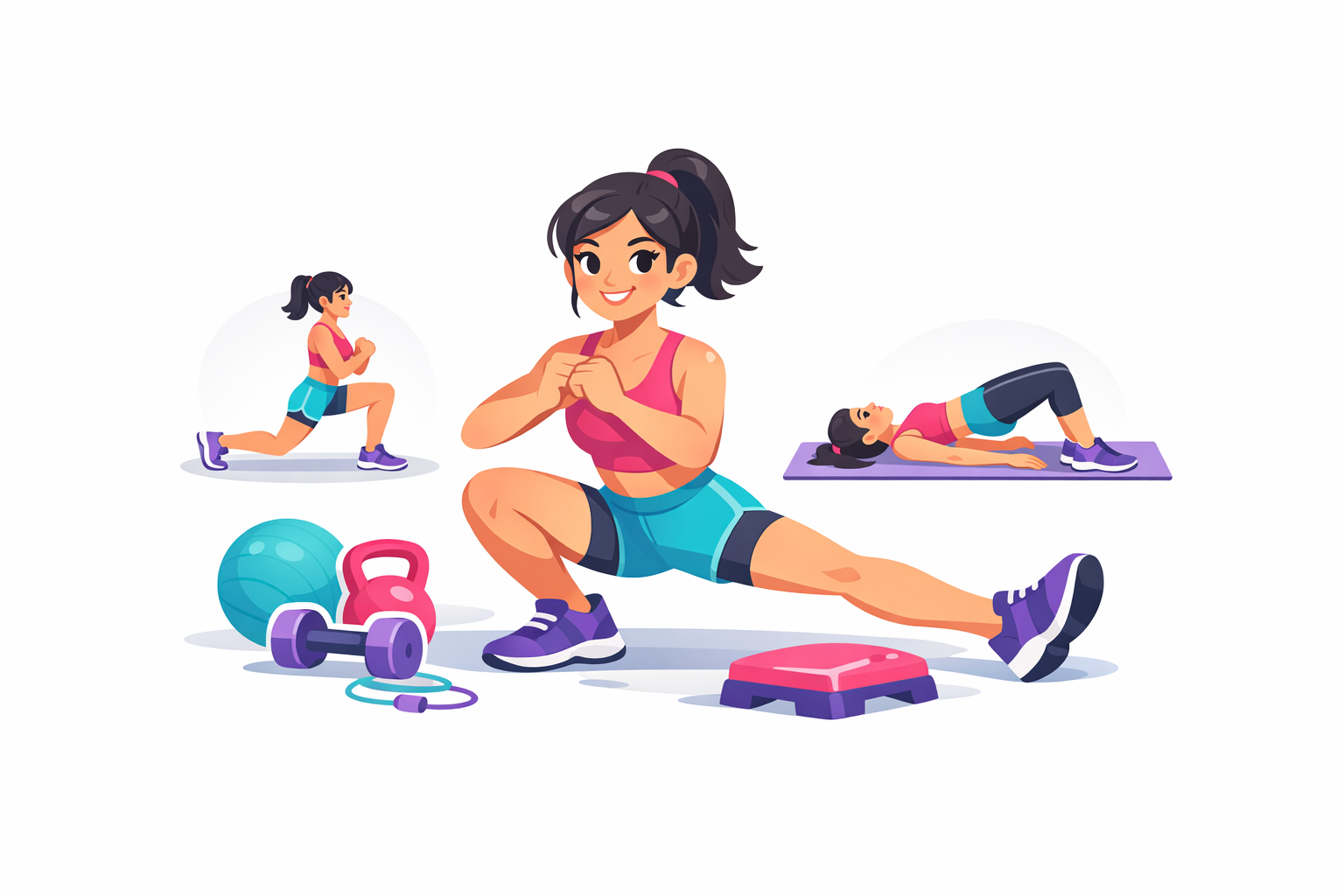

Let’s make leg day feel doable. Strong legs carry us through school drop-off, stairs, grocery runs, and yes, workouts. If lunges make your quads nervous or you’re not sure where to start, you’re in the right spot.
This guide breaks down the best leg exercises for real life. We’ll keep it simple and practical. Clear form cues. What to avoid. How to scale from bodyweight to bands to weights. At-home leg workout options if you’re in your living room. Gym leg workout ideas if you’ve got more gear.
Quick Comparison
What’s in this Article
- Strong legs, real life benefits
- Warm up in 5 minutes
- Tools that make leg days easier
- FAQ
- What to do next
- Behind our picks and helpful notes
Our goal is balanced strength and better movement, not perfection. That means training quads, hamstrings, and glutes, plus some single-leg work for balance. You’ll see how to pick reps and sets that match your energy and schedule.
You can use these leg workout moves two or three days a week. Most sessions land in the 20 to 45 minute range. Some days you’ll go heavier, other days you’ll keep it easy and focus on form. Both count.
Before we dive into the Top 10, we’ll set you up with a quick warm up and a few notes on who this is for. Spoiler: you, even if time is tight.
Strong legs, real life benefits
Everyday wins you can feel
- Climb stairs without that burning wobble at the top.
- Stand up from the car or the couch with less stiffness.
- Walk, hike, and run with better joint comfort.
- Carry kids, laundry, and groceries without feeling lopsided.
- Hold better posture at your desk and reduce low back crankiness.
Who this guide helps
- Beginners who want friendly coaching and safe starts.
- Busy folks who need simple, effective planning they can stick to.
- Lifters coming back after a break who want refreshers on form.
- Runners and cyclists who need strength to support mileage.
- Parents juggling naps, work, and short windows for movement.
- If you’re pregnant, newly postpartum, or managing knee or back pain, you can still train. Keep ranges comfortable, use support, and clear questions with a licensed pro if something feels off.
How we chose the best leg exercises
We picked moves that check these boxes:
- Full-body stability with lower-body focus. Think trunk bracing and neutral spine.
- Joint friendly ranges that you can scale. Depth and load meet you where you are.
- Clear setup and easy-to-coach cues. So you can repeat good reps.
- Equipment flexible. Bodyweight, bands, dumbbells, or barbells all work.
- Time efficient. Big bang for your effort in 20 to 45 minutes.
- Balanced. Quad work, hinge patterns, single-leg strength, calves, and glute-focused moves.
A quick note on limitations
- Sharp pain is a stop sign. Swap the move or shorten the range.
- Knee discomfort during squats or lunges often improves with a smaller step, a heel lift, or a box to sit to. If it doesn’t, choose a hinge, bridge, or a leg press alternative.
- Low back irritation during hinges usually means the weight is too far from your body or your spine is rounding. Lighten up, brace your ribs down, and hinge slower.
- Balance feeling wobbly today. Use a counter, rack, or wall for support. That still counts.
Warm up in 5 minutes
Do this first
Set a 5 minute timer. Slip on shoes you can move in. Sip water. Pick a song you like. That’s enough to get started.
The 5 minute flow
Move with easy breaths. No need to crush it.
1. Ankles and hips, 60 seconds total
- 10 ankle rocks each side, then 10 hip circles each way.
2. March and reach, 60 seconds
- High-knee march while reaching arms overhead. Find tall posture.
3. Squat to box or chair, 60 seconds
- Tap the seat and stand. Slow on the way down. Drive through midfoot.
4. Hip hinge prep, 60 seconds
- Broomstick or hands on hips. Push hips back, soft knees, long spine. Stand tall.
5. Lunge split stance, 60 seconds
- Step one foot back, small up-down pulses. Switch at 30 seconds. Keep chest lifted.
6. Glute bridge, 60 seconds
- Lie down, feet under knees, ribs down. Squeeze glutes to lift, pause, lower with control.
Dial it up or down
- Need gentler. Shorten ranges, hold onto a chair, skip pulses.
- Want more warmth. Add a 20 second wall sit and 10 light jump ropes or calf hops at the end.
- Limited space. Keep it all in one spot. March in place and use a couch for squats and bridges.
One small micro-step
If today feels heavy, do 10 chair squats and 10 glute bridges right now. Two rounds. Then decide if you want more. If not, you still trained.
Tools that make leg days easier

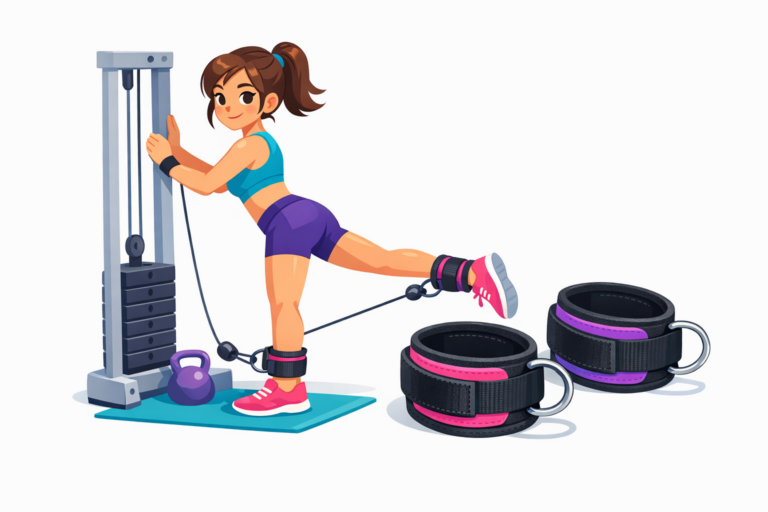
Comfy ankle cuffs + latex bands for glute and leg work, with 10/20/30 lb options. Durable, travel-ready bag included—great for speed, jump, and sport drills.
$9.99 on Amazon
Price and availability are accurate as of 09/19/2026 08:27 am GMT and are subject to change.
Training at home or easing into strength work? A simple band is a tiny, packable way to add tension to squats, glute bridges, and even hamstring curls off a door anchor. It also shines in the warm-up to wake up hips and teach knee tracking. If you’re building an at-home leg workout, Ankle Resistance Bands with Cuffs for Glute and Leg Workouts is a smart first add.

Skip pricey memberships—this trainer-approved workout poster hangs anywhere and shows clear, full-body routines at a glance. Ready to customize your home cardio?
$13.33 on Amazon
Price and availability are accurate as of 09/18/2026 05:05 pm GMT and are subject to change.
A pair of adjustable dumbbells covers almost every move here: goblet squats, Romanian deadlifts, walking lunges, and step-ups. Quick weight changes help you progress week to week without a full rack. Great for small spaces and busy schedules when you want solid load without the gym. Check specs and weight range on NewMe Fitness Full-Body Stability Workout Poster for Home Gym (1-Pack) if you’re comparing options.

Three resistance levels (10/20/30 lb) with comfy ankle cuffs; sculpt glutes and legs anywhere. Portable set doubles as a speed/jump trainer. Quick 15‑min hits.
Price and availability are accurate as of 09/18/2026 07:19 pm GMT and are subject to change.
Hip thrusts feel 100 times better with a thick, supportive pad. It protects your hips so you can chase that glute squeeze instead of wincing. Bonus: use it to cushion your back foot in Bulgarian split squats or under a bar on your shoulders. If thrusts are in your gym leg workout, HPYGN Ankle Resistance Bands with Cuffs for Glute Kickbacks & Leg Workouts makes them way more comfortable.
FAQ
Training basics
- How often should I train legs each week?
Most people do well with 2 focused leg days. Leave 48 to 72 hours between them. New to lifting? Start with 1 day and add volume with walks, stairs, and short mobility work. Recovering fast and sleeping well? You can try 3 lighter sessions.
- How many sets and reps for strength vs muscle?
For strength: 3 to 6 sets of 3 to 6 reps with longer rests. For muscle size: 3 to 5 sets of 6 to 12 reps with 60 to 90 seconds rest. For endurance or joint-friendly work: 2 to 4 sets of 12 to 20 reps. Keep 1 to 3 reps in the tank on most sets.
Programming
- Can I do cardio on leg day?
Yes. Do a short warm-up before you lift. Save longer steady-state cardio for after your workout. Sprints or hill repeats hit the same muscles hard, so put them on a separate day or keep them brief after lifting. Walks anytime are fine.
Safety and soreness
- My knees feel achey when I squat. What should I change?
Try a slightly wider stance and let your knees track over your toes. Keep your chest tall and weight through your whole foot. Limit depth to a pain-free range or squat to a box. Elevate heels if ankles are tight. Add a longer warm-up for hips and ankles. If pain is sharp or lingers, pause that move and check in with a pro.
If you take one thing from this guide, let it be this: strong legs come from simple moves done well and done often. Squats, hinges, lunges, bridges, and step-ups cover almost everything you need. Load them in a way that fits your season of life, and they will carry you through stairs, hikes, sports, and school drop-off sprints.
Your next move is not perfection. It is picking 4 to 6 of the top 10, choosing rep ranges that match your goal, and showing up two or three times a week. Keep your spine long, knees tracking your toes, and pressure through your whole foot. Add a little weight when the last 2 reps feel tidy and strong.
If energy is low, do one or two exercises for 10 minutes. That still builds consistency and confidence. Progress over perfect. That counts.
What to do next
Pick your path: home or gym
- At home: Start with bodyweight versions, a loop band, and one dumbbell or kettlebell if you have it. Prioritize squats, Romanian deadlifts or good mornings, glute bridges, and step-ups using a sturdy chair or bench.
- In the gym: Keep the same core moves, then add barbell squats or trap-bar deadlifts, leg press or Bulgarian split squats, and machine hamstring curls. Use the hip thrust bench or a bar pad for comfort.
- Decision recap: If balance is a struggle, choose split squats with support. If your back is touchy, try goblet squats and hip thrusts before heavy barbell work. If time is tight, do two big compound moves and a finisher.
Set your intent: strength, muscle, or endurance
- Strength focus: 3 to 5 sets of 3 to 6 reps, longer rests, heavier load with crisp technique.
- Muscle focus: 3 to 5 sets of 6 to 12 reps, moderate load, 60 to 90 seconds rest, slow lowers.
- Endurance and conditioning: 2 to 4 sets of 12 to 20 reps or 30 to 45 seconds of work, lighter load, shorter rests.
- Not sure where to start: Aim for 3 to 4 sets of 8 to 10 reps on your main lifts. Adjust up or down next week based on how you feel.
Make it stick this week
Use this tiny checklist to build a plan that survives real life.
- Book two 30-minute sessions on your calendar. Treat them like meetings with yourself.
- Warm up for 5 minutes. March, bodyweight squats, light hinges, and ankle rocks.
- Choose 4 moves: one squat, one hinge, one single-leg, one glute or hamstring accessory.
- Keep 2 reps in the tank on every set. Leave the gym feeling like you could do one more.
- Add 5 pounds or 1 to 2 reps next week if your last set felt steady and pain free.
- Cool down with two stretches you actually like. Calf wall stretch and 90-90 hip switches work.
When to adjust or skip
- Knee discomfort at the bottom of a squat: shorten the range, add a small heel lift, and try a goblet squat before barbell work. Prioritize step-ups and hip thrusts for a few weeks.
- Low back fatigue on hinges: lighten the load, slide the weight closer to your thighs, and soften the knees. Try Romanian deadlifts with dumbbells before progressing to a barbell.
- Postpartum and pelvic health needs: favor split squats, step-ups, and bridges with strong breath and core control. Keep jumps and max-effort bracing for later with guidance from a pelvic health pro.
Behind our picks and helpful notes
Why these 10 made the cut
We chose compound moves that give you the most return on time, then filled gaps with simple accessories. Squats and hinges hit most muscles. Split squats, lunges, and step-ups build balance and single-leg strength. Hip thrusts and curls round out the back side. Calf raises protect ankles and make your stride pop. The finisher adds power if you want it.
Form first, always
Our cues stay the same across variations. Neutral spine. Ribs down. Knees track over toes. Whole foot pressure. Move through ranges you control today. Load is earned by clean positions and pain free reps, not by the number on the plate.
Inclusivity and access
You can do every move with bodyweight, bands, or dumbbells. No fancy setup needed. If gym machines help you feel stable, use them. If you train at home during nap time, loop bands and a single dumbbell will carry you far.
When to get help
If sharp pain shows up, or past injuries flare, pause and check in with a qualified coach or clinician. If barbell work feels intimidating, book one session with a trainer to dial in setup and spotting. Short-term guidance can save months of guessing.
Ready to start small today? Do 3 rounds of 10 bodyweight squats, 8 hip hinges, and 10 glute bridges. Five minutes, no equipment. Then pick your four moves for later this week and put them on your calendar. You’ve got this.
Leave a Comment