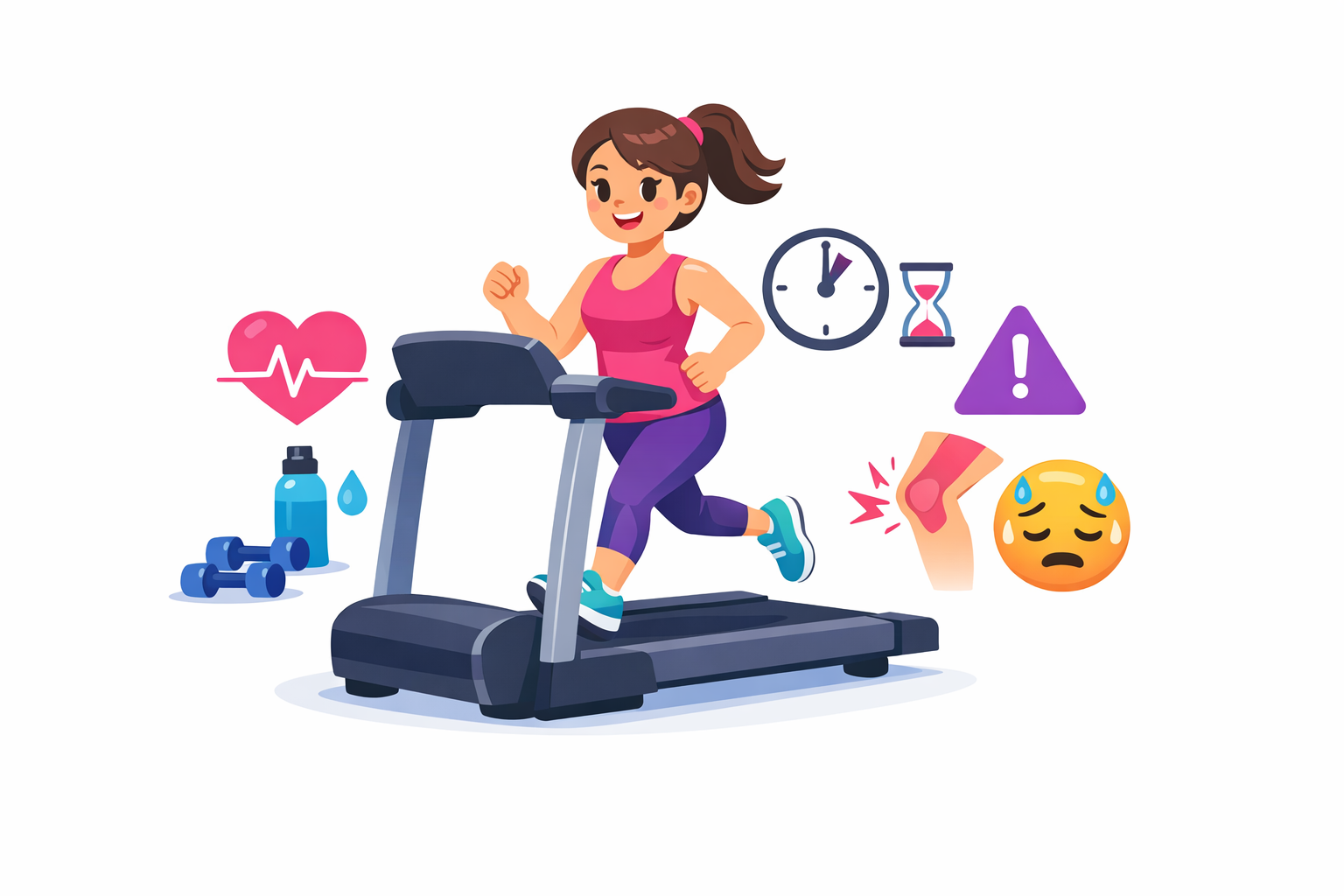

Some days the treadmill is our easiest yes. It’s right there, no traffic, no weather drama, and we can press start before our brain talks us out of it. The big question is whether spending a full hour on it is actually worth it for your goals.
Short answer: it can be. One hour can support fat loss, build endurance, keep heart health on track, and calm a buzzing mind. It can also be too much impact, too boring, or just not the best use of time if you’re chasing speed or juggling a sore knee. The win is matching the hour to what you need today.
Quick Comparison
What’s in this Article
- The quick answer: who benefits and who should skip
- How to choose your one-hour plan
- Supplies that make this easier
- FAQ
- Choose your path for the next hour
- Quick answers and how this fits with outdoor running
Success looks simple here. You step off feeling worked but not wrecked. Your joints feel okay the next morning. You know what you were training for, and your pace or effort made sense for that goal. You can repeat a similar effort later in the week without limping into it.
We’re going to help you pick the right version of a one-hour session, spot the red flags, and tweak intensity so the time pays you back. If you only do one thing first, take a two-minute check-in before you hit start. How do your shins, knees, and low back feel right now. How did you sleep. Can you pass the talk test at a brisk walk. Your answers set the dial.
The quick answer: who benefits and who should skip
A great fit if you want:
- Steady calorie burn without spikes. You prefer a moderate, consistent pace where you can talk in short sentences.
- Endurance that carries over to hikes, long runs, or busy days on your feet.
- A mental reset. Zoning out to a playlist or podcast without juggling a complicated workout.
Key signs it fits today:
- You can hold an easy pace at RPE 3 to 4 for most of the hour.
- No active shin, knee, or Achilles pain when you do a 3 to 5 minute warm-up.
- You slept at least 6 to 7 hours and your legs are not toast from yesterday.
Proceed with caution if you notice:
- History of shin splints, plantar fasciitis, or knee pain that flares with longer runs.
- You are returning from illness, postpartum, or a long break and haven’t built up to 45 to 60 minutes yet.
- You only have one hour to train all week and your main goal is strength or speed. A different split might serve you better.
Guardrails that help:
- Lower the incline to 0 to 1 percent for impact control.
- Add walk breaks every 5 to 10 minutes.
- Cap it at 30 to 45 minutes and reassess next week.
Skip or shorten today if:
- Pain sharpens during the warm-up or you feel a hot spot brewing in the shins or heels.
- You are dizzy, dehydrated, or more than moderately sore from a recent lift or run.
- You are chasing a fast 5K or sprint power. A shorter interval session may give you more return with less wear and tear.
When a shorter, harder session is smarter:
- You want to improve VO2 max or running economy and time is tight. Intervals at RPE 7 to 9 for 20 to 35 minutes total can move that needle.
- You get bored at steady pace and end up quitting at minute 28. A focused 25-minute interval workout beats an abandoned hour.
How to choose your one-hour plan
Pick one main goal for today
Choose a single focus to keep the hour purposeful.
- Fat loss or maintenance. Aim for a sustainable, steady effort where you can speak in short phrases. Keep incline modest to protect joints.
- Endurance base. Settle into easy to moderate effort for most of the hour, with a few gentle surges.
- Recovery and stress relief. Keep it light. Prioritize relaxed breathing and soft footfalls.
- Speed or power touch. Use the hour to include short, quality intervals with generous recovery.
Do this first: a 5-minute readiness check
- Walk 3 minutes at an easy pace. Scan ankles, shins, knees, hips, and lower back. Any pain that sharpens is your cue to back off or swap to low impact.
- Rate your effort. If easy walking already feels like RPE 5, today is a recovery day.
- Check your shoes. Laces snug, heel locked, no hot spots. If the tread is worn smooth, cut the time and keep it gentle.
Match intensity to your life today
- Slept poorly, stressed, or new to running. Go steady-state or recovery and cap the incline.
- Feeling fresh with 2 to 3 easy days behind you. Layer in controlled intervals or a gentle hill progression.
- Lifting heavy later or just did yesterday. Keep the hour easy, or split it into two 25 to 30 minute walks. That still counts.
Criteria to guide the call:
- Current weekly minutes on your feet. If you average 60 to 90, jumping to a single 60 can be a lot. Add 10 to 15 minutes per week instead.
- Talk test. Full sentences means easy. Short phrases means moderate. One to two words means hard.
- Recovery capacity. Sleep, nutrition, and stress are training variables. Adjust the plan to match them.
Supplies that make this easier
You can do every workout in this guide with what you already have. Sneakers that feel good, water, and a charged phone or watch are enough. If you want a few helpers to track effort and feel more supported on the belt, these picks fit how we program one-hour sessions.
Effort tracking strap

Get consistent HR/HRV, form insights, indoor pace, and swim logging—ANT+/BLE sync. Comfy strap, 1‑yr battery. Curious if it fits your setup?
Price and availability are accurate as of 09/11/2026 03:50 pm GMT and are subject to change.
If you like using heart rate to guide easy days, intervals, and recovery, Garmin HRM‑Pro Plus Heart Rate Strap with Running Dynamics and Dual ANT+/Bluetooth gives more reliable numbers than most wrist sensors on a treadmill. The running dynamics can flag sloppy form when fatigue hits, so you can nudge cadence or posture and keep the hour feeling smooth. You absolutely do not need a strap to benefit from our plans, but if data helps you pace without guessing, this one makes it simple.
High-impact crop bra

High-impact support that actually feels barely there. Molded cups, wide band, and an open-back cutout keep you cool and secure—stylish enough to wear beyond the gym.
$18.99 on Amazon
Price and availability are accurate as of 09/11/2026 10:06 am GMT and are subject to change.
For longer runs, hills, or any sprint block, secure support helps you focus on form and breathing instead of adjusting straps. This high-impact racerback crop style keeps everything contained and covered so you can move confidently through steady miles or interval surges. If you prefer your current bra, keep it. Comfort is queen.
Adjustable high-impact bra

High-impact support that feels comfy. Molded cups, wide band, and breathable 4-way stretch with a cool cutout back—so everything stays put while you move. Learn more.
$19.99 on Amazon
Price and availability are accurate as of 09/12/2026 12:27 am GMT and are subject to change.
If you want a dialed-in fit for tempo days or longer sessions, adjustable straps and sewn-in pads keep things secure without shifting. It’s a nice pick for mixed-intensity hours where you alternate easy walking and fast efforts and don’t want to think about bounce or pad migration between blocks.
Reliable chest monitor
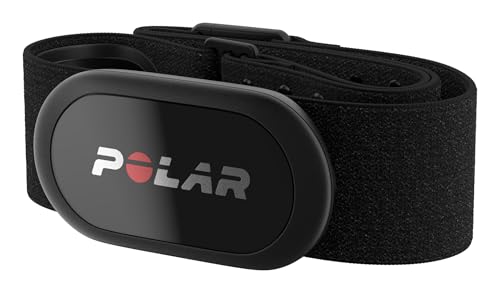
Known for spot-on accuracy, Polar H10 pairs via Bluetooth/ANT+, stores workouts, and stays comfy and waterproof—great across gym gear. Check it out.
$98.99 on Amazon
Price and availability are accurate as of 09/12/2026 05:14 am GMT and are subject to change.
Prefer a simple, proven heart rate strap for steady-state pacing and recovery checks between intervals? Polar H10 Chest Strap Heart Rate Monitor, Dual Bluetooth & ANT+, Waterproof (Black, M–XXL) connects to most watches, treadmills, and fitness apps with dual Bluetooth and ANT+, and it handles sweaty hours without fuss. Use it to stay honest on easy days and to avoid redlining too soon on hill sets.
FAQ
Pacing and safety
- How do I set the right pace for an hour?
Aim for a conversational effort. You should speak in short sentences without gasping. That usually feels like a 5 to 6 out of 10 on effort or roughly 65 to 75% of max heart rate if you track it. Start with 5 to 10 easy minutes, settle into steady, and finish a touch stronger if you have gas left. If you can’t talk, slow down. If you can sing, speed up a bit.
- Is it okay to hold the rails?
Briefly for balance, yes. If you need the rails to keep up, the speed or incline is too high. Drop one notch and focus on tall posture, eyes forward, light fingertip touch only. Your feet should land under your hips, not reaching out in front.
Troubleshooting and common mistakes
- My shins or knees start hurting mid-run. What should I do?
Ease to a walk on zero incline. Shorten your stride and keep your cadence a little quicker. If pain settles, stay easy or call it a day. Check your shoes and skip big inclines or hard intervals for a week. Add calf, glute, and hip strength on off days. If pain is sharp, swelling shows up, or it lingers more than 24 to 48 hours, rest and get it checked.
- I get bored and bail at 30 minutes. How do I stick with it?
Break the hour into 10-minute blocks with small changes. Try 2 to 3 minutes easy and 1 minute moderate on repeat, or tiny incline waves. Line up a playlist or show, cover the screen if the clock stresses you, and sip water at the 20 and 40 minute marks. On hectic days, split it into two 30-minute walks. That still counts.
If an hour on the treadmill sounds long, that’s normal. It can also be a powerful, flexible block of time when you use it in a way that fits your goal and your body today. We covered how to match pace and incline to calorie burn, how to protect your joints, and where intervals beat steady state.
Here’s your decision recap. If you want endurance or a bigger calorie burn, go steady and conversational. If you want fitness gains in less time, use intervals and keep the total intensity smart. If recovery or stress is high, walk and keep the incline kind.
You don’t have to earn this. You just show up, choose a focus, and keep it safe. Your pace, your rules.
Choose your path for the next hour
If your goal is fat loss or weight maintenance
- Aim for steady, conversational pacing where you can talk in short sentences. Think a brisk walk or easy jog.
- Use small incline changes to raise effort without pounding. Try 0 to 2 percent for most of the hour.
- Keep it consistent. A few minutes of warm up, 45 to 50 minutes at steady effort, then a cool down.
- Pair with strength training on other days if body recomposition is part of your plan. Muscle is your friend here.
Edge case: If you struggle with appetite spikes after long cardio, try 40 to 50 minutes instead, or add two short surges in the middle. See how your hunger responds.
If your goal is endurance or race prep
- Treat the treadmill hour as a controlled long aerobic session. Smooth, even pacing.
- Use a tiny incline to mimic outdoor load. Around 1 percent helps offset belt assist.
- Practice fueling and hydration if your races will be outdoors. Sip water, maybe a small carb source if you go longer.
- Every 2 to 3 weeks, nudge either time or pace a notch, not both.
Edge case: If you’re newer to running, build time first with walk-jog blocks. Add pace later.
If your body needs low impact or you’re coming back from a niggle
- Make it a recovery walk. Keep breathing easy and stride small.
- Stay mostly flat. If you add incline, keep it brief and under 3 percent to protect calves and Achilles.
- Focus on form. Tall posture, relaxed shoulders, light foot contact.
- Stop if pain sharpens or changes your gait. Call that a win for listening.
If you’re time-crunched or bored fast
- Go shorter and spicier with intervals. You can still keep it within an hour with long rests and a long warm up.
- Alternate 1 to 3 minutes stronger with 2 to 3 minutes easy. End with a long cool down.
- Use music or a simple pyramid to keep your brain engaged.
- If the hour feels like too much today, do 20 to 30 minutes and move on. That counts.
One-hour plan checklist
- Pick one focus for the day. Fat burn, endurance, recovery, or intervals.
- Set your safety floor. Comfortable shoes, quick warm up, flat or low incline to start.
- Choose an effort guide. Talk test or a wearable. Stay honest with how you feel.
- Break the hour into blocks. Warm up, main set, cool down. No marathon mindset.
- Keep water nearby and take quick sips.
- Finish with 3 to 5 minutes of easy walking.
- Note one thing that felt good. That’s your anchor for next time.
Quick answers and how this fits with outdoor running
Is walking an hour on the treadmill effective?
Yes. A brisk hour walk improves cardio health, supports weight maintenance, and helps mood and stress. If you’re newer to movement, walking is plenty. Add pace or light incline later if you want more challenge. No gold star for misery.
How many calories will I burn in an hour?
It depends on body weight, pace, and incline. As a rough range, many women see about 220 to 450 calories for an hour of brisk walking, and 450 to 750 for an easy jog. Larger bodies and higher speeds burn more. Treat these as estimates, not a promise.
Will an hour on the treadmill build muscle?
It builds cardiovascular fitness more than muscle size. Your legs will get stronger at the movement, but if muscle is your goal, add 2 to 3 days of strength training. Keep one treadmill day easier when you lift heavy so your body can recover.
How does a treadmill hour compare to outdoor running?
Treadmills are easier to control and softer underfoot. That’s great for consistency and joints. Outdoor running challenges balance and handles wind and hills, which can feel harder at the same pace. If you train for an outdoor race, keep at least one outdoor run each week when weather and safety allow.
Can I split the hour into chunks?
Totally. Two 30 minute sessions or three 20 minute sessions can deliver similar health benefits when weekly totals match. This is a lifesaver on busy days. Just space them a few hours apart and keep one of them easy.
Edge cases to handle gently:
- If you’re pregnant, newly postpartum, or managing a heart condition or diabetes, get a green light from your provider and keep intensity conversational.
- If shin splints or plantar fasciitis flare up, reduce incline and speed, shorten the session, and add a non-impact cardio day like cycling while you calm things down.
Bottom line: a one-hour treadmill session works when it works for you. Choose the style that serves your goal, adjust the sliders on pace and incline, and keep the guardrails around form and recovery. Show up, move, and leave with a little more energy than you started with. That’s the win.

Leave a Comment