
You can love the long run and still feel a little stuck. Maybe your pace plateaus, your knees get cranky on hills, or you finish every race wishing for just a bit more kick.
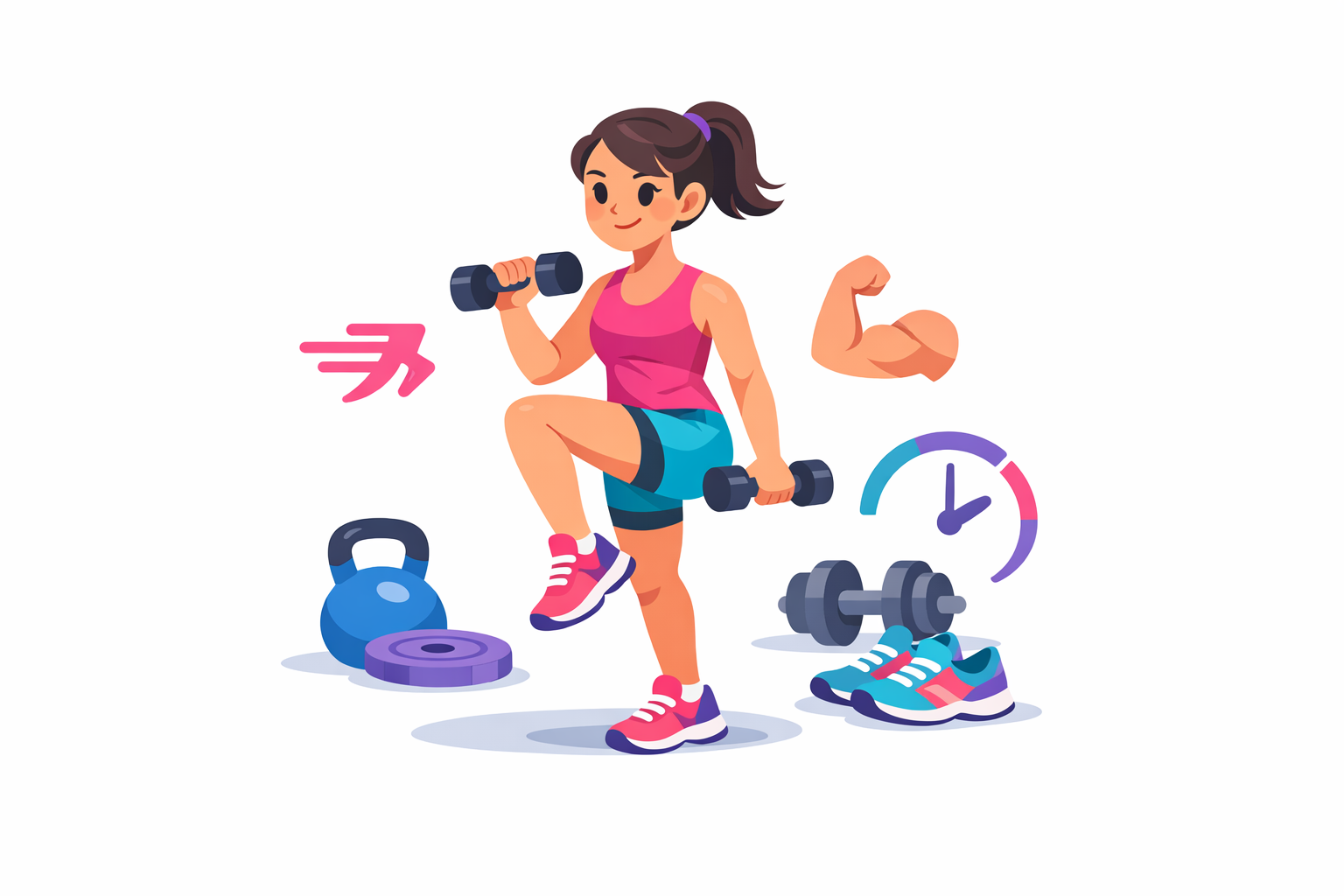
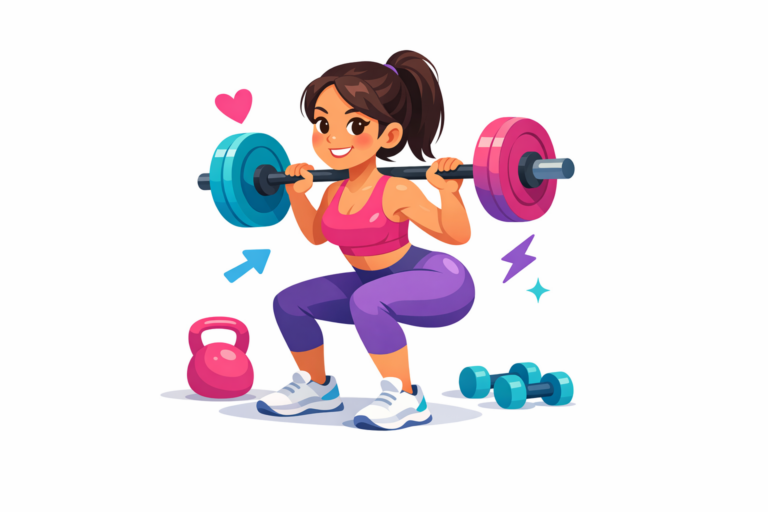
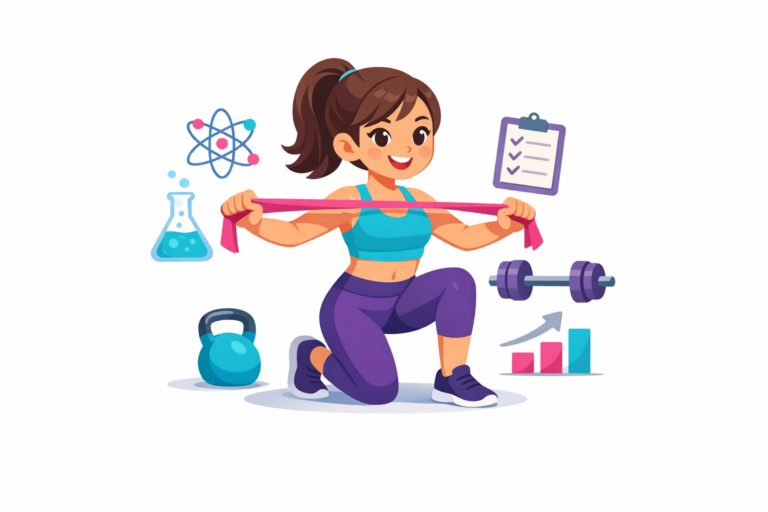
Strength training is the not-so-secret sauce for runners. Two short sessions a week can make you faster, help you last longer, and keep the small stuff from turning into sidelining injuries.
Quick Comparison
What’s in this Article
- Why lifting makes you a faster, more durable runner
- What to train first: movement patterns that carry to running
- Simple gear that makes run-strong lifts easier
- FAQ
- Make your next month simple
- Tools, visuals, and what to read next
We’re keeping this practical. No gym hero moves. Just smart lifts that build the exact muscles and control you need for smoother strides and happier joints.
If you’re busy, great. This is written for real life. A 20 to 30 minute plan counts. One set today counts.
Do this first: pick one lower body move and one core move after your next easy run. For example, 2 sets of 8 split squats per side and a 30 second side plank. Start there.
Why lifting makes you a faster, more durable runner
More power off the ground
Running is repeated force into the ground. Strong hips, hamstrings, and calves push you forward with less effort. Think of it like upgrading your engine. When you can produce more force quickly, your strides feel snappier and hills feel less dramatic.
What helps most:
- Hinge patterns like deadlift variations to power the backside
- Single-leg work to train push-off and landing on one leg
- Calf raises to stiffen the ankle for a better rebound
Better running economy
Running economy is how much energy you spend at a given pace. Strong legs and a stable trunk waste less motion, so you can hold pace without feeling like every step leaks energy. With strength, your body becomes a better spring. You get more return for the same effort.
What helps most:
- Squats and hip thrusts for stronger hips and glutes
- Core anti-rotation work to reduce side-to-side wobble
- Plyometrics in small, smart doses to teach quicker ground contact
Fewer overuse injuries
Most running pains show up when tissue capacity is lower than your training load. Strength builds capacity. It also improves control at the knee and hip, which matters for things like IT band tightness or runner’s knee.
What helps most:
- Glute medius work to keep knees from caving in
- Calf and foot strength to share load away from the shins
- Eccentric training, which teaches muscles to handle downhill and deceleration
How we’ll know it’s working
Track simple, specific checks every 2 to 4 weeks:
- Same easy route, same heart rate, slightly faster average pace
- Hills feel less spicy at the same effort
- Fewer post-run niggles in knees, hips, or calves
- Calf raise symmetry improves side to side
- You can hold a side plank with steady hips for 30 to 45 seconds per side
- Single-leg RDL feels more balanced with less toe-gripping
Edge cases to note:
- If you’re in an active pain flare, scale to pain-free ranges or check in with a physio
- During peak race weeks, keep lifts lighter and reduce volume so you stay fresh
What to train first: movement patterns that carry to running
Hinge and hip drive
This is your power source. Think deadlift patterns that load hamstrings and glutes. The payoff is stronger push-off, better hill running, and less back strain from overusing your lower back when you get tired.
Start move: hip hinge with a dowel or light kettlebell. Feel your hips move back without rounding your spine.
Single-leg strength and balance
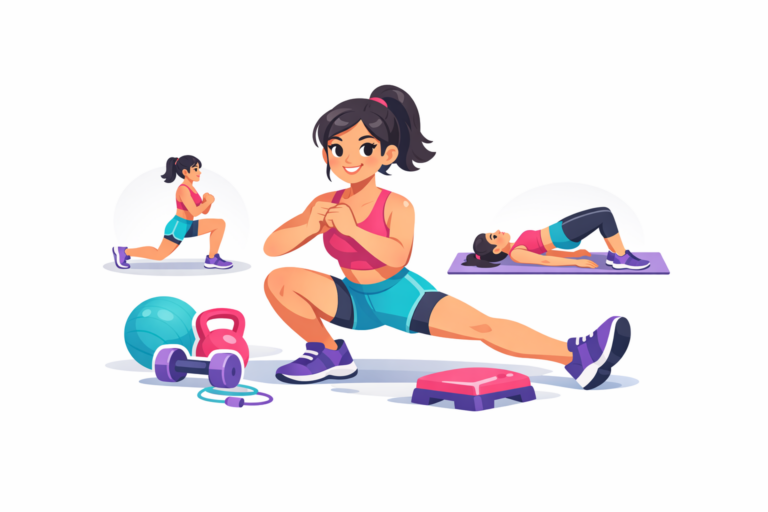
You run on one leg at a time. Train it that way. Split squats, reverse lunges, and single-leg RDLs teach control and stability that transfers directly to your stride.
Start move: bodyweight split squat, slow down, light up the back glute.
Calf and foot strength
Your calves and feet are your springs. Stronger soles and ankles can reduce shin stress and help with a quicker, more elastic stride.
Start move: slow calf raises off a step, pause at the top and bottom.
Core that resists motion
Think of the core as the bridge between your arms and legs. We want a trunk that resists twisting and side-bending so your hips and knees track well.
Start move: dead bug or side plank. Breathe and keep your ribs down.
Tiny next step if time is tight: pick one pattern today. Five focused minutes after your run is a win.
Simple gear that makes run-strong lifts easier

Build strength your way: 4 color-coded bands (5–85 lb) for safe progression—pull-ups, squats, and more. Durable natural latex, full-body training, travel-ready bag. See which band fits your goals.
$12.99 on Amazon
Price and availability are accurate as of 07/27/2026 10:14 am GMT and are subject to change.
A solid, do-it-all weight that lets you load the big moves we use for running strength: goblet squats, split squats, and single-leg RDLs. If you only grab one thing, make it this WHATAFIT Resistance Bands with Handles, Door Anchor & Pull-Up Assist so you can actually progress week to week without needing a full gym.

Level up at your pace: 5 bands (8–125 lb) with printed resistances, durable natural rubber, door anchor + grips, and a travel bag—full-body workouts anywhere.
$9.99 on Amazon
Price and availability are accurate as of 07/26/2026 08:27 pm GMT and are subject to change.
A small loop band for quick glute medius work and warm-ups. Toss it in your run bag and use it for band walks, squat prep, and shin-angle cues before hills. This is the easiest way to keep hips happy and knees tracking well PAPIBLU Pull-Up Assistance Bands with Door Anchor and Grip Pads.

6 color-coded bands (15-170 lbs) for pull-ups, squats, and rehab—skin-friendly stretch, door anchor, and quick-start guide. Portable. Ready to train?
$24.29 on Amazon
Price and availability are accurate as of 07/27/2026 11:53 am GMT and are subject to change.
A long resistance band for core and accessory work. Perfect for Pallof presses, rows, and light assistance on hip thrusts when you’re training at home or traveling. It adds the anti-rotation and upper-back strength most runners miss Fitense Pull-Up Assist Resistance Bands, 6 Levels (15–170 lb) with Door Anchor.
FAQ
Getting started
Q: I’m new to lifting. How often should I start, and what gear do I need?
A: Start with 2 days per week. Do 30 to 40 minutes of full-body moves that hit hips, quads, hamstrings, calves, and core. You can use bodyweight, a pair of dumbbells, and a mini band. A kettlebell is a nice extra but not required.
Q: I’m over 40. Is strength training safe for runners my age?
A: Yes, and it’s extra helpful. Prioritize form, longer warm-ups, and steady progress. Use 2 to 3 sets instead of 4 at first. Keep 1 to 2 reps in the tank, add load slowly, and recover well. If joints feel cranky, swap jumps for low-impact power like kettlebell swings or fast step-ups.
Scheduling and recovery
Q: When should I lift around my runs?
A: Pair heavy strength with hard run days, or lift after an easy run. If same day, separate by 6 hours when you can. Keep the day before your long run lighter. Soreness high? Cut a set, slow the tempo, or pause plyos for a week.
Results and expectations
Q: How long until I see results?
A: In 2 to 4 weeks you’ll feel steadier and less wobbly. By 6 to 8 weeks you should be stronger, hills feel easier, and paces hold longer. Stick with it, add small progressions, and retest with a short hill repeat or 1-mile time trial every 6 to 8 weeks.
If you only remember one thing, let it be this: a little strength goes a long way for your running. Two short sessions a week build the hips, calves, and core that keep you upright, make hills feel friendlier, and help you finish with something left.
We focused on movements that carry straight to the road. Single-leg hinges and split squats for power and control. Hip thrusts and squats for glutes and quads. Calf raises for that springy push-off. Anti-rotation core so your torso stays steady. A sprinkle of plyos so your legs learn to be quick.
Plan your lifts around your runs. Hard with hard, easy with easy. Keep 24 to 48 hours before your long run. Start with form, then add load, then add speed. Simple, steady, strong.
Make your next month simple
Decision recap: choose your path
- New to lifting or returning after a break: Lift 2 days per week. Use full-body A and B days. Keep reps in the 6 to 12 range for most work so you learn the moves and build some muscle.
- Comfortable in the gym and running 3 to 5 days: Lift 3 days per week. One strength-focused day at 3 to 6 reps, one hypertrophy day at 6 to 12, and one power or plyo day with lighter loads and crisp jumps.
- Busy week or in peak mileage: Lift 2 shorter days. Prioritize single-leg RDLs, split squats, calf raises, and one core drill. Keep total sets to 10 to 14 across the session and leave 2 reps in the tank.
Not sure where to start? Pick the 2-day plan. You can always add a third day later.
Your 10-minute pre-lift checklist
- 1 minute: Easy breath work. Inhale through the nose, exhale long. Feel ribs move.
- 2 minutes: Dynamic mobility. Leg swings, hip circles, ankle rocks.
- 2 minutes: Light band work. Glute medius walks and a few clamshells.
- 3 minutes: Movement prep. Bodyweight hinges, split squats, deep squat pries.
- 2 minutes: Ramp-up sets. Two lighter sets of your first lift to groove the pattern.
If you feel rushed, do the breath work, 10 banded steps each way, and one ramp-up set. That still counts.
Your first session game plan
- Pick 4 moves: Single-leg RDL, split squat, calf raises, and a plank variation.
- Do 3 sets of 6 to 10 reps on the first two lifts. Rest 60 to 90 seconds.
- Do 3 sets of 12 to 20 on calf raises. Slow down the lower. Pause at the top.
- Hold 3 plank sets of 20 to 45 seconds or do 8 to 12 anti-rotation presses per side.
- Optional finisher: 3 rounds of 10 band walks each way.
- Log it. Write load, reps, and how it felt on a scale of 1 to 10.
Next time, add a little weight or one clean rep. Progress is the point, not perfection.
Edge cases to respect
- Achilles or plantar pain: Keep jumps low and add isometric calf holds. Think 4 sets of 30 to 45 seconds on a mid-stance heel raise before adding loads or hops.
- Cranky knees on split squats: Shorten your stride, lean your torso slightly forward, and aim knees over mid-foot. Start with reverse lunges or supported split squats.
- Pregnant or early postpartum: Prioritize breath, pelvic floor awareness, and slow tempo lifts. Skip max effort work and ballistic jumps. Clear activity with your provider.
- Masters runners or low energy weeks: Keep intensity but trim volume. Do fewer total sets and focus on quality singles or doubles with longer rest.
Tools, visuals, and what to read next
Save the plan
- Screenshot the sample days and keep them in your notes.
- Print the quick workout and tape it near your mat. Check the boxes as you go.
- If you love lists, make a simple A and B day card for your gym bag.
Small, visible reminders make it easier to start when you feel tired.
Low-clutter gear that works
- One pair of adjustable dumbbells or two kettlebells covers hinges, squats, and presses.
- A mini loop band set for glute medius work and warm-ups.
- A long resistance band with a door anchor for rows and anti-rotation presses.
- A sturdy step or box for split squats and calf raises.
- An ankle strap if you like cable or banded hip work.
If you want specifics, check our guides to dumbbells, mini bands, kettlebells, and ankle straps on the site. We keep them simple and tested.
Keep learning
- Strength for Runners 101: how to set your weeks and recover well.
- Calf Work That Actually Helps: tempo, isometrics, and progression ideas.
- Plyo Progressions for 5K Speed: from skips to hops to bounds.
- Warm-Up That Sticks: the 8-minute flow we use before hard runs and lifts.
- Mobility for Runners Who Sit All Day: quick hips and ankles routine.
Before you click away, pick one tiny action for today:
- Do 2 sets of 8 split squats per side after your easy run.
- Hold a solid side plank for 3 sets of 20 seconds.
- Stand on a step and do 3 sets of 12 calf raises with a slow lower.
- Book your next lift into your calendar, even if it is just 25 minutes.
You against yesterday. That is the whole game. Start small, stay kind, keep moving.

Leave a Comment