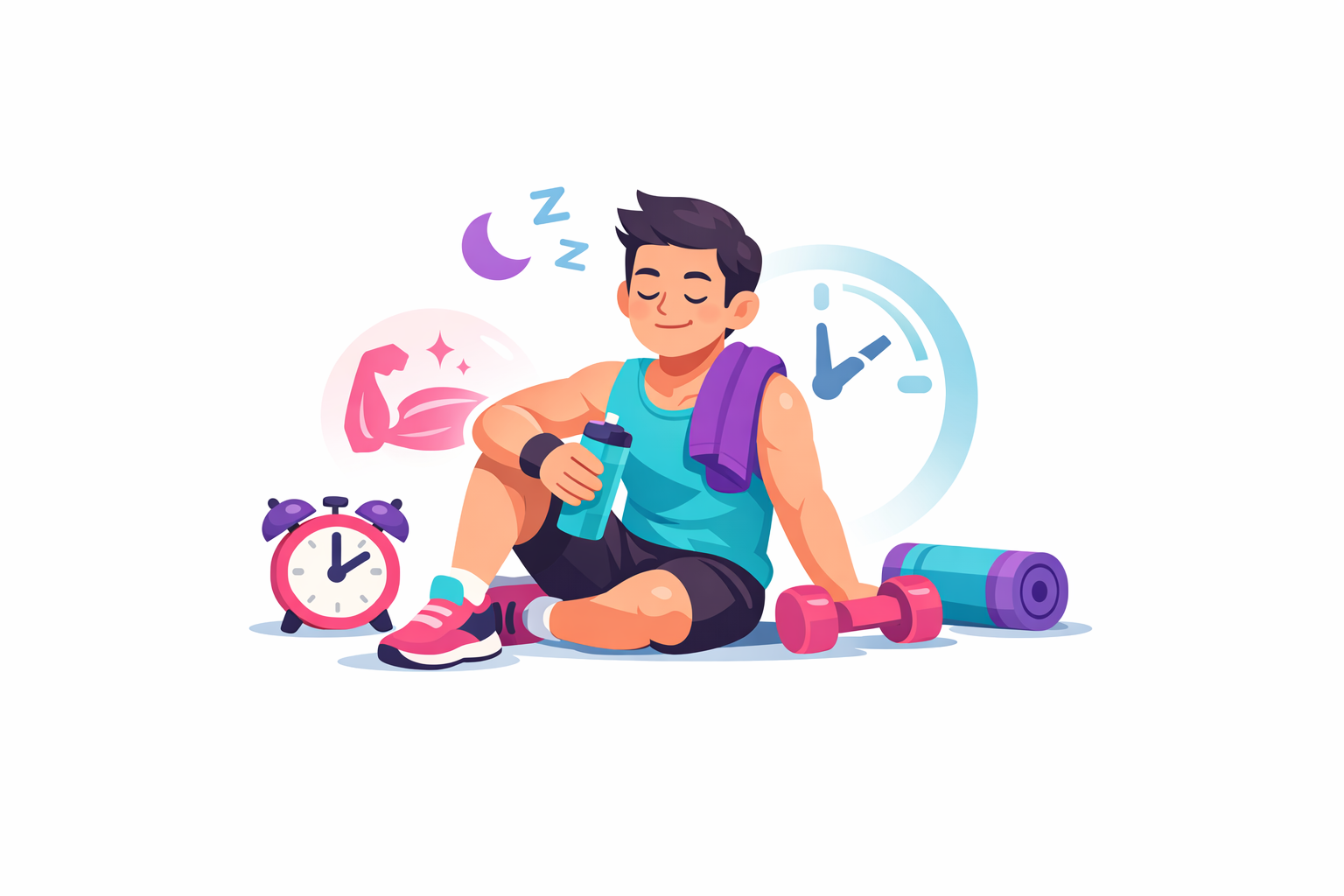

If you’ve ever asked yourself how long to rest between workouts, you’re not alone. Muscle recovery time is the window your body needs to repair, refuel, and come back stronger after training.
Rest is not a timeout. It is the part of training that locks in progress and lowers injury risk. When we rush it, performance dips and nagging aches hang around.
Quick Comparison
What’s in this Article
- Quick guide: recommended rest windows at a glance
- What changes your muscle recovery time
- Tools that make recovery easier
- FAQ
- Key takeaways and next steps
- Suggested meta description
Here’s the plan for today. We’ll give you quick, realistic rest windows, then show you how to tweak them based on what you did, how you feel, and what life looks like this week.
Do this first: jot down your last workout type, how hard it felt, where you’re sore, and how you slept. That snapshot will help you personalize the ranges below.
Quick guide: recommended rest windows at a glance
Not every workout taxes your body the same way. Use these ranges as starting points, then adjust with your own signals like soreness, sleep, and performance.
- Strength and power, heavy lifts
- Heavy compound lifts at 80 to 95 percent effort: 48 to 72 hours before training the same muscle group hard again
- Olympic lifts and plyometrics: 48 to 72 hours for high-impact sessions
- Hypertrophy, moderate loads
- Moderate loads with higher volume for muscle growth: 24 to 48 hours for the same muscle group
- If volume is very high or includes lots of slow eccentrics: lean toward 48 hours
- Endurance and cardio
- Easy cardio or Zone 2: often same day or next day, keep it conversational
- Tempo or threshold runs, strong cycling intervals: 24 to 48 hours
- Long runs or very hilly routes: 48 to 72 hours
- HIIT and bootcamp-style circuits
- Short, intense intervals or Metcons: 24 to 48 hours for the same movement patterns
- If legs took the brunt, avoid more leg-dominant HIIT the next day
- Full-body vs split routines
- Full-body, 3 days per week: 24 to 48 hours between sessions
- Upper/lower splits: 24 hours between different halves, 48 to 72 hours before repeating the same half
- Push/pull/legs: often 24 hours between days, 48 to 72 hours before repeating
Quick self-checks to fine-tune your rest:
- Morning resting heart rate up by 5 to 10 beats from your norm, or HRV trending low: extend rest
- Soreness that’s dull and easing: light movement is fine; sharp or joint pain: hold and reassess
- Performance drop for two sessions in a row on the same lift or pace: add 24 hours or reduce volume next time
- Poor sleep or high life stress: keep intensity lower or do active recovery
Edge cases:
- New lifters, return after time off, or big calorie deficits may need longer
- Experienced lifters who rotate muscle groups smartly can often train more frequently without issues
What changes your muscle recovery time
We all recover on our own timeline. These levers explain why the same workout can wipe one person out and feel fine for another.
Intensity and volume
- Heavier loads and higher volume create more muscle strain and central fatigue. More stress means more recovery time.
- If you lifted near your max or did many sets close to failure, plan the longer end of the range.
- Tip: track hard sets per muscle group per week. Big jumps in volume often need extra rest.
Exercise type and tempo
- Eccentric-heavy moves like slow lowering squats, Romanian deadlifts, and downhill running cause more soreness and short-term strength loss than concentric-focused work. That can push recovery from 24 to 48 hours toward 48 to 72 hours.
- Ballistic and plyometric work taxes tendons and connective tissue. Even if muscles feel fine, your joints may prefer an extra day before you jump again.
- Backed by research: eccentric loading is a key driver of delayed onset muscle soreness and longer recovery windows (Hyldahl & Hubal, 2014).
Training age and technique
- Newer lifters get sore faster from the same dose. Your body adapts with practice and recovers quicker over time.
- Solid technique reduces wasted stress. Cleaner reps often mean less unnecessary soreness for the same gains.
Sleep quality and quantity
- Less than 7 hours or fragmented sleep slows muscle repair and messes with hormones that support recovery.
- If you had a short or restless night, consider shifting an intense day to active recovery.
Nutrition and hydration
- Protein supports repair. Aim for steady protein across meals, plus 20 to 40 grams within a few hours after training.
- Carbs refill glycogen. Low-carb days can stretch recovery from hard interval or volume-heavy sessions.
- Dehydration increases perceived effort and soreness. Rehydrate until urine is pale yellow.
Age, hormones, and menstrual cycle
- Recovery may take longer with age, mostly due to slower connective tissue turnover and recovery from high-impact work.
- Around late luteal phase, soreness and fatigue can feel higher for some of us. If that’s you, ease intensity or space sessions out a bit more.
Stress and life load
- Work deadlines, travel, and sick kids all count. Your body does not separate gym stress from life stress.
- High stress week? Keep intensity lower, extend rest windows, and focus on movement that feels good.
Genetics and individual response
- Some people bounce back fast from eccentrics. Others get wrecked. Track your patterns and set your ranges to match you, not the internet.
Where guidelines fit:
- The American College of Sports Medicine suggests training each major muscle group 2 to 3 days per week with at least 48 hours between hard sessions for the same muscle, adjusted for volume and intensity (ACSM, 2009).
- Eccentric-heavy training often needs longer recovery due to greater muscle damage and temporary strength loss (Hyldahl & Hubal, 2014).
If you want one tiny step to dial this in: tomorrow morning, note resting heart rate, how sore you feel, and last night’s sleep. Those three signals are simple, free, and surprisingly accurate at telling you whether to push or to give yourself another day.
Tools that make recovery easier

24g fast-absorbing whey isolate with BCAAs to speed recovery and support strength. Smooth-mixing, low in carbs/fat. Looks right for post-workout goals?
$105.99 on Amazon
Price and availability are accurate as of 10/25/2026 12:23 pm GMT and are subject to change.
For quick, targeted relief on tight spots, this pick shines between heavy leg days or after long desk time. It’s easy to use for 5–10 minutes on calves, quads, glutes, or traps to loosen stiffness without overdoing it. Keep the pressure light to moderate and breathe; the goal is circulation and comfort, not pain.

New to protein? This 10‑serving Gold Standard Whey packs 24g protein + 5.5g BCAAs, mixes smooth, and fits anytime. Handy trial size to see how it boosts recovery.
$22.99 on Amazon
Price and availability are accurate as of 10/25/2026 08:18 pm GMT and are subject to change.
If you prefer simple, full-body maintenance, this is a great option for broad, gentle tissue work and mobility. Think slow passes on hamstrings, lats, and hips after training or on active recovery days. Pair it with a short walk and some deep breathing to nudge soreness down and range of motion up.

Looking for quicker recovery? This multi-density GRID roller mimics massage hands for deep, targeted relief, boosts circulation, and keeps its shape. See how it feels.
$28.99 on Amazon
Price and availability are accurate as of 10/25/2026 12:36 am GMT and are subject to change.
For those who like compression-based recovery, this pick adds a calm, consistent squeeze that can help with post-workout heaviness after long runs or heavy lifts. It’s best used when you’re relaxing at home, keeping sessions comfortable and short. If you’re new to compression, start with lower intensity and see how your legs feel the next day.
FAQ
Planning your week
Can I work out if I’m still sore?
Yes, if it’s mild, dull soreness. Keep it light, train a different muscle group, or switch to easy cardio or mobility. If you have sharp pain, swelling, or your range of motion is limited, give that area another 24 to 48 hours. After heavy eccentric work like squats or deadlifts, wait 48 to 72 hours before hitting the same muscles hard again.
How many rest days do I need each week?
Most active adults do well with 1 to 3 rest or active recovery days. Full-body lifting 3 days a week works best with rest days in between. Split routines can run on back-to-back days as long as you alternate muscle groups. Aim for at least one true rest day weekly.
Listening to your body
What are signs I need more rest?
- Soreness or joint pain lasting beyond 72 hours
- Noticeable strength or pace drop for 2 to 3 sessions in a row
- Elevated morning heart rate or a drop in HRV compared to your normal
- Poor sleep, low mood, nagging colds, or zero motivation
If you check two or more, add 24 to 48 hours of recovery, dial back volume, or take a deload week.
Tools and tactics
Does stretching or foam rolling speed recovery?
They can reduce soreness a bit and improve range of motion, but they don’t replace sleep, protein, and smart programming. Keep foam rolling light to moderate for 5 to 10 minutes, focus on big movers, and pair it with gentle mobility and hydration.
If you take one thing from this guide, let it be this: rest is productive. Your muscle recovery time is not a pause on progress. It is the part that lets you come back stronger and stay injury free.
In practice, that means matching your rest to what you did, how you feel, and what life handed you last night. Heavy squats need more time than a light mobility day. Sleep debt and stress slow recovery. A good meal and a walk help it along.
We do not need perfect weeks. We need smart ones. Use the cues your body gives you, stack small recovery habits, and let consistency do the heavy lifting.
Key takeaways and next steps
Quick decision recap for how long to rest between workouts
- Rate the last session. Heavy or high volume strength or HIIT gets 48 to 72 hours for that muscle group. Moderate hypertrophy work often needs 24 to 48 hours. Easy cardio or mobility can go back to back.
- Check your signals. Green light to train that area again if soreness is mild, range of motion is normal, and performance is steady. Tap the brakes if soreness is sharp, joints feel cranky, or you see a drop in reps, pace, or bar speed.
- Use one objective marker. If you track heart rate variability or resting heart rate, train hard when HRV is trending up or stable and RHR is normal. Choose light or recovery work when HRV dips or RHR is elevated.
- Adjust the plan, not your worth. Push tomorrow if you need 12 to 24 more hours. Slot in light biking, walking, or mobility instead.
5-minute action plan for this week
- Pick your training focus. Example: full body 3 days or an upper and lower split.
- Block your rest windows now. Put 48 hours between heavy lower days and 24 to 48 between moderate upper days.
- Set two recovery anchors. Protein target for the day and a bedtime you can actually hit.
- Add one active recovery slot. 20 to 30 minutes of easy walking or cycling on a non-lifting day.
- Create a quick soreness check. Before each lift, do a bodyweight set of the main move. Range of motion smooth and pain free means go. Pinchy or weak means modify.
- Keep a simple log. Note sleep quality, soreness, and performance. Use it to tweak next week’s rest between workouts.
When to adjust the plan
- New lifter or returning after a break. Start conservative. Aim for full body 2 to 3 days a week with at least 48 hours between sessions and keep sets low. Build volume slowly.
- Heavy eccentric moves or novel exercises. Bulgarian split squats, RDLs, or lots of downhill running can spike soreness. Give those muscle groups closer to 72 hours before pushing them again.
- Busy or low sleep weeks. Trade intensity for technique. Keep movement, shorten sessions, and favor active recovery until sleep is back on track.
- Endurance build weeks. Stack a hard cardio day next to an easy one. Keep heavy lower body lifts 48 hours away from your longest run or ride.
- If you are pregnant, postpartum, managing an injury, or living with a chronic condition. Get personalized guidance from a qualified pro and lean into lower impact recovery on tired days.
Want tools to help sore muscles feel better faster? Check our guides:
- Massage Guns vs Foam Rollers
- High-Power Massage Guns review
- Compression Scale
- How to Choose Resistance Bands
Pick one small thing today. Maybe it is a 20-minute walk, an earlier lights-out, or adding chicken, tofu, or beans to dinner. That is recovery in real life.
Suggested meta description
Muscle recovery time made simple. Learn how long to rest between workouts, spot when to train or wait, and use easy recovery habits that fit busy weeks.
Leave a Comment