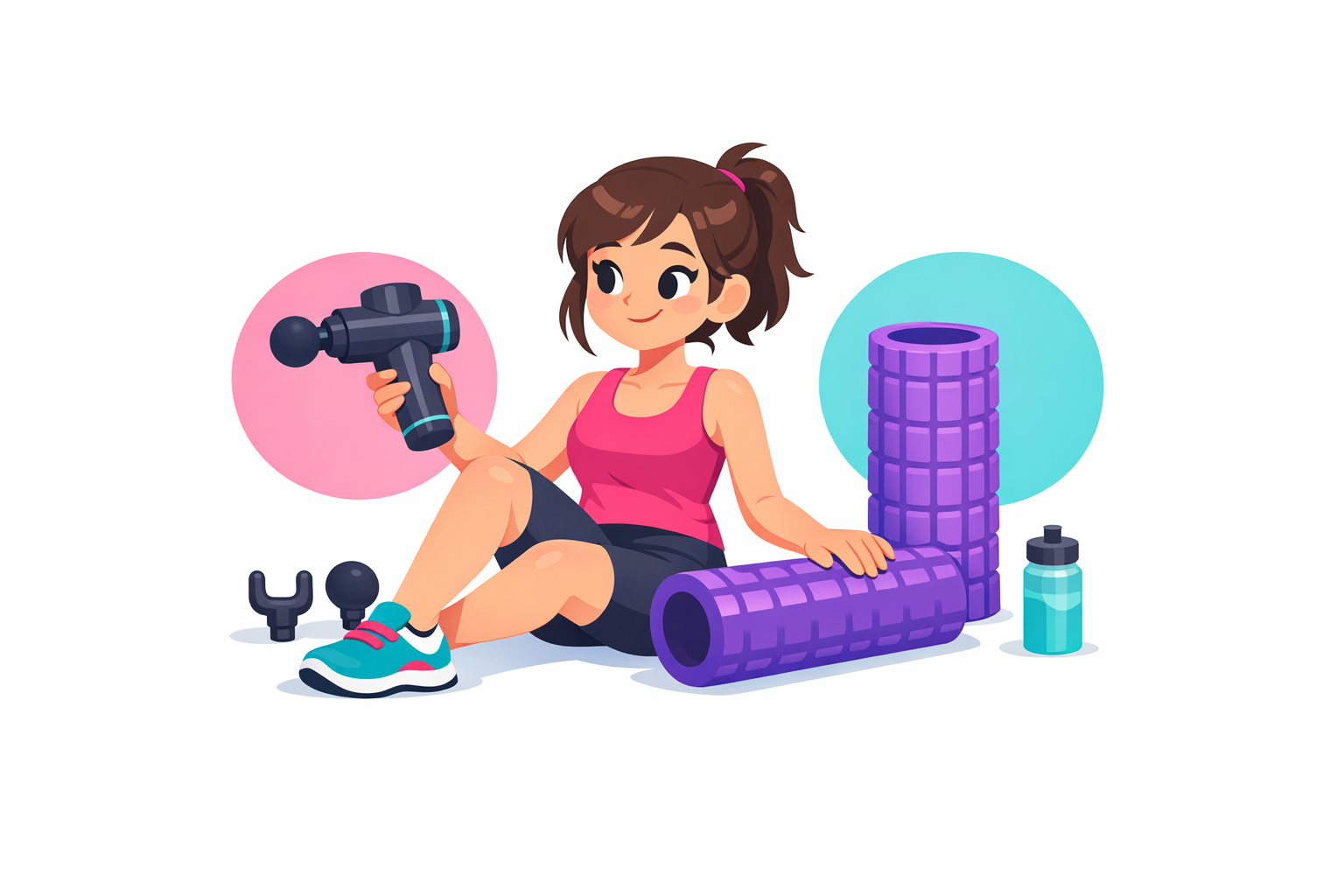

You know that post-run calf tightness that creeps in while you’re cooking dinner. Or the between-shoulder blade knot after a laptop day that won’t quit. That’s when the “massage guns vs foam rollers” debate hits real life. Both can help sore muscles feel better. They just do it in very different ways.
If you like to stay put and let a tool do the work, a massage gun feels amazing for targeted spots. If you like moving through positions and getting a big area at once, a foam roller is simple, cheap, and effective. Neither is magic. Both can help you recover and move better.
Quick Comparison
What’s in this Article
- How to choose what actually matters
- The quick paths we’ll point you to
- Comfort and fit
- Noise cancelling / performance
- Sound quality
- Battery and charging
- Call quality
- App / controls (if relevant)
- The verdict: which should you buy?
- FAQ
- Smart routines and when to reach for which tool
- Bottom line and next steps
Our take is practical. We’ll help you pick based on how you get sore, how much time you have, and what you’ll actually use. If you’re a heavy lifter with tender trigger points, a massage gun will likely win. If you’re a runner or desk worker with overall stiffness, a foam roller may be all you need.
You’ll get clear recommendations by persona. Athletes, busy moms, travelers, budget buyers, and anyone who is new to recovery will have a path. You do not need both. One tool that you use twice a week beats a drawer of gear you forget about.
Do this first: set a 2-minute timer. Press a tennis ball into one tight spot and hold. Then try a quick vibrating or tapping tool if you can borrow one at the gym. Notice which feels more helpful. That gut check is half the decision.
We’ll keep it simple and honest. We’ll also flag edge cases, like acute injuries, pregnancy, or if vibration irritates you. If something sharp or swelling is going on, talk to a pro before you self-treat.
How to choose what actually matters
Your soreness style and pain tolerance
- Knots you can point to and smaller muscles like calves, glutes, or pecs often respond well to a massage gun. It can hit deep spots without you bracing on the floor.
- General stiffness across larger areas like quads, lats, or back usually feels great on a foam roller. It gives broad pressure and a little movement which can help your nervous system relax.
- If you bruise easily or hate sharp pressure, start with a softer roller or the lowest massage gun setting. Your body should not feel beat up the next day.
Time and routine fit
- Want quick hits before a workout or right after a run. Massage gun wins for speed. You can do 30 to 90 seconds per muscle while standing or on the couch.
- Want a more complete mobility routine a few nights a week. Foam roller fits well. You’ll spend 5 to 10 minutes moving through positions.
- If all you have is 3 minutes, that’s still useful. Do calves and glutes today. Upper back tomorrow.
Space, noise, and portability
- Small apartment or a sleeping baby in the next room. Look for a quieter massage gun or a soft roller. Noise matters more than you think at 9 p.m.
- Travel a lot. Mini massage guns pack into a carry-on. Short rollers fit in a gym bag but are bulkier day to day.
- Hate floor time. Massage gun. Love pairing recovery with mobility drills. Foam roller.
Budget and long-term value
- Foam rollers are usually more affordable and basically last forever if the material is durable.
- Massage guns cost more upfront. Look for solid build, useful attachments, and a battery that covers multiple sessions. Think cost-per-use over a year.
- If you’re unsure, start with a roller. If you crave more targeted work after a few weeks, add a massage gun later. This counts.
The quick paths we’ll point you to
If you want deep, targeted relief
You lift heavy, sprint, or have cranky calves and glutes. Choose a massage gun with adjustable speeds, at least one soft attachment for tender spots, and a design you can hold comfortably for 5 minutes. Ideal for short pre-workout priming and post-lift cooldowns.
If you prefer gentle, full-body maintenance
You sit a lot and feel tight everywhere. Start with a foam roller. Pick a softer or medium-firm density if you’re new, then work up to high-density once your body adapts. Great for pairing with stretches and breath work at night.
If you travel often or share gear at home
You want small, quiet, and easy to wipe down. A compact massage gun is the most portable. If you roll, choose a shorter roller or a textured half-size. Keep it by the couch so you actually use it.
We’ll break down features, safety tips, and our top picks next, so you can decide once and move on with your day.
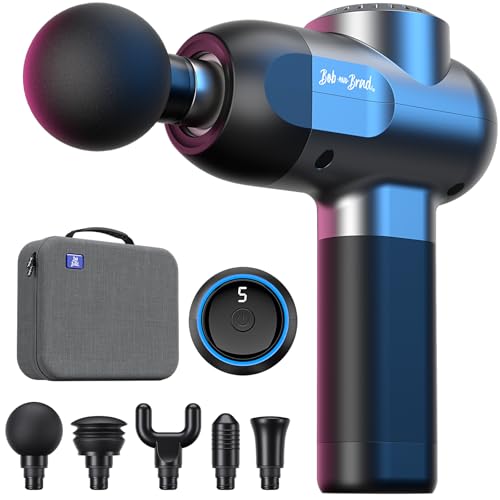
PT-designed by Bob & Brad: deep tissue power, 5 speeds, whisper-quiet, USB‑C fast charging, just 1.5 lb. Great for warmups and recovery—learn more.
$69.94 on Amazon
Price and availability are accurate as of 10/25/2026 05:11 pm GMT and are subject to change.
This device fits naturally in one hand, so you can stay on the couch and still work your calves, glutes, and shoulders. If you like staying put and letting the tool do the work, this is your style. It shines for quick sessions or when getting down on the floor is a hard no. You can check full details here: Bob and Brad C2 Massage Gun – Deep Tissue Relief, 5 Speeds & 5 Heads, FSA/HSA Eligible.

Sturdy half-round roller for balance, core, and post-workout stretch—grippy, easy to clean, and travel-light. Choose 12, 18, or 36 in to fit your routine.
$20.99 on Amazon
Price and availability are accurate as of 10/25/2026 06:41 am GMT and are subject to change.
This tool needs floor space and a bit of setup. You use your body weight to roll over tight areas, which can be intense at first but also gives you a lot of control. It feels most comfy for larger muscles like quads, hamstrings, lats, and glutes. If you like moving while you mobilize, this will feel natural. More info here: ProsourceFit 36-Inch High-Density Foam Roller for Firm Back Stretching and Trigger Point Release.
Comfort and fit
If you’re nursing sore spots and prefer gentle pressure, the handheld option tends to feel friendlier. If you want a stretch-meets-massage vibe and do not mind getting on the floor, rolling feels great once you get used to it.
Noise cancelling / performance
Let’s treat this as noise and power. The handheld tool makes a steady hum that can be noticeable in a quiet room. Performance is strong and targeted, so you can get into deep knots without a full-body rollout.
The roller is virtually silent. Performance comes from how much weight you put into it and how slowly you move. It is broader and more global. You feel it across a larger area and it pairs nicely with mobility drills.
Sound quality
No music here, but the experience matters. The handheld hum can be soothing white noise if you are watching TV. Some folks find it distracting late at night.
The roller is quiet, so you can use it while your partner sleeps or during a Zoom without anyone noticing. The only sound is a light floor squeak if your mat is slick.
Battery and charging
The handheld needs charging. Plan on topping it up every few sessions. Battery life varies by speed and pressure, so keep the charger handy if you use it daily.
The roller is fully manual. No cords, no batteries, just grab and go. It is always ready, which is nice on busy days.
Call quality
If you do recovery while on calls, the roller wins. It is basically silent and you can stay off-camera. The handheld can be heard through mics and may buzz the desk, so it is not the move mid-meeting.
App / controls (if relevant)
The handheld usually has multiple speeds and attachment heads. Controls are simple once you learn them. Some models offer guided routines, which helps if you like structure.
The roller has no buttons. Your body angle and movement are the “controls.” It is as simple as it gets, but there is a small learning curve for positioning.
The verdict: which should you buy?
- If you want fast, targeted relief with minimal setup, pick the handheld. It is great for small areas, post-run calves, and quick couch sessions.
- If you care about full-body mobility, budget, and quiet use, pick the roller. It is great for hips, quads, and back, and it doubles as a warmup tool.
Three quick personas
- Time-crunched runner: Go handheld for 2 to 3 minute calf, quad, and foot sessions before and after runs.
- Desk-heavy workday: Go roller for quiet evening hip flexor and upper back openers on the floor while you watch a show.
- Budget-first or beginners: Start with the roller. If you want more precision later, add the handheld for small knots. This counts.
FAQ
Buying decisions
Q: I’m on a budget or just starting out. Which should I buy first?
A: Start with a foam roller. It’s cheap, durable, and covers big muscle groups well. If you crave quick, deep spot relief and have less floor space or time, add a basic massage gun later.
Q: I travel a lot and sit all day. What packs better and helps desk tension?
A: A mini massage gun wins for size and quiet use. It fits in a carry-on and you can hit traps, calves, and hip flexors in minutes. If you prefer no batteries, a short travel roller or stick also works and slides into a backpack.
Use and safety
Q: Can I use a massage gun and foam roller on the same day? In what order?
A: Yes. For warmups, go light with the massage gun for 1 to 2 minutes per area, then do quick rolling. For recovery, roll first to loosen up, then finish with gentle percussion on tight spots. Keep total time to 10 to 15 minutes and skip bruised or inflamed areas.
Special situations
Q: Are these safe if I’m pregnant, have varicose veins, or take blood thinners?
A: Talk to your healthcare provider first. Avoid using either tool on the abdomen or lower back during pregnancy. Do not go directly over varicose veins, areas with reduced sensation, open wounds, or where you suspect a clot. If you take blood thinners, use very light pressure and stop if you see bruising.
You don’t need both to take care of your body. If you like quick, targeted relief with almost no floor time, a massage gun is your friend. If you prefer slower, full-body work that costs less and doubles as a mobility tool, a foam roller shines.
Athletes or heavy lifters who battle deep knots and want pre-workout priming will probably prefer a massage gun. Runners, Pilates fans, and anyone who loves a good stretch session may lean toward a roller for those longer, reset-your-body moments.
For tight budgets, foam rollers win. For busy schedules or shared spaces where you need quiet, a massage gun is easier to use while you watch a show or before bed. If you’re rehabbing or sensitive to pressure, start gentle with a softer roller and short sessions, then add a massage gun only if you want more intensity.
If you’re stuck, start with what feels least stressful to do today. Two minutes counts.
Smart routines and when to reach for which tool
If you want quick relief with minimal setup
- Choose a massage gun for short pre-workout activation or post-workout cool-down on specific spots like calves, glutes, quads, traps.
- Think 30 to 60 seconds per muscle. You can do it standing. Easy win when time is tight.
If you want deeper mobility and body awareness
- Choose a foam roller when you have 5 to 10 minutes and want full-chain work. It encourages you to move and breathe.
- Great as a warm-up before strength days or as a Sunday reset routine.
If you’re managing soreness after a new program
- Start with a soft roller or very light massage gun pressure. Slow and shallow at first.
- If the area feels hot, bruised, or sharp, skip the pressure and try gentle movement or a walk instead.
If you like to stack habits
- Massage gun pairs well with short windows. Keep it by the couch or desk.
- Foam roller pairs well with a mobility flow. Keep it by your mat and cue it to a specific workout or bedtime stretch.
Bottom line and next steps
Decision recap in one minute
- Want targeted, quick, quieter use with adjustable intensity? Pick a massage gun.
- Want budget-friendly, full-body coverage that supports mobility work? Pick a foam roller.
- Sensitive or recovering? Start with a soft roller. Add a massage gun only if you need more precision.
5-step action plan to test this week
- Day 1: Spend 2 minutes with a massage gun on calves and glutes before your workout.
- Day 2: Foam roll quads, upper back, and lats for 5 minutes in the evening. Slow breaths.
- Day 3: Choose the tool that made you feel better fastest and repeat.
- Day 4: Try the other tool after a different workout or long desk day. Notice the difference in soreness the next morning.
- Day 5: Commit to one main tool for the next 2 weeks. Consistency beats perfection.
Edge cases to consider
- If you have an injury, numbness, swelling, or a diagnosed condition like blood clots, varicose veins, or uncontrolled high blood pressure, check with a clinician before either tool.
- Avoid direct pressure on bony areas, the front of the neck, or over recent bruises. Skip aggressive work during pregnancy unless cleared by your provider.
Ready for a simple next step? Pick one area that bugs you most. Give it 60 seconds with a massage gun or 3 slow passes on a foam roller tonight. Notice how you feel tomorrow. Then build from there. This counts.
Leave a Comment