
Picking the right exercise band shouldn’t feel like guessing. If you’ve ever bought a set, opened the bag, and realized everything is either too easy or way too spicy, you’re not alone. This guide helps you pick the right size and resistance before you buy, so your workouts feel smooth, not frustrating.
We wrote this for real life. New to bands? Coming back from an injury? Lifting heavy and want smarter assistance? We’ve got you. We’ll translate the color chaos, show you how to measure and test at home, and give clear picks for common exercises.
Quick Comparison
What’s in this Article
- Quick picks by goal and body strength
- Helpful visuals, schema, and what to do next
- Supplies that make this easier
- FAQ
- FAQs
- Helpful visuals and next steps
Success looks like this: the band doesn’t roll or bite, your form stays clean, you hit a target rep range without grinding, and the tension matches your goal. We’ll use simple checks like 8–12 smooth reps with a one-second pause, no shoulder shrug, and no pinchy joints.
A few honest caveats up front. Band colors aren’t standardized across brands. Taller or shorter bodies change how much a band stretches. Fabric bands feel great on skin but don’t replace long pulling bands for rows or pull-ups. No stress, we’ll help you adjust.
Do this first: pick one move you care about, like lateral walks or rows. Try a band you already own or borrow one. Aim for 10 controlled reps. If you can’t pause the last rep for a second, go lighter. If you could keep going past 15 with perfect form, go heavier or shorter.
Quick picks by goal and body strength
Rehab or light mobility
- Best type: long flat therapy band or small fabric loop for lower body.
- Target feel: very light to light. You should move through full range with no joint strain.
- Quick checks:
- Shoulder work: if you can’t do 10 shoulder external rotations without shrugging, go lighter.
- Post-op or sensitive joints: start with the lightest therapy band and progress weekly.
Glute activation and assistance
- Best type: short hip loop for walks and bridges, long loop for assisted squats.
- Target feel: light to medium for warm-ups, medium to heavy for working sets.
- Body-strength cues:
- If bodyweight squats feel wobbly, start light for lateral walks and bridges.
- If you can do 20+ deep bodyweight squats, use medium for bridges and walks.
Strength work and heavy resistance
- Best type: 41-inch loop for deadlifts, presses, rows; tube band with handles for rows and presses.
- Target feel: medium to heavy for 8–12 reps, heavy to x-heavy for low-rep strength or barbell pairing.
- Body-strength cues:
- If you can hip hinge 60–100% of bodyweight with a kettlebell or bar, you’ll likely use medium to heavy long loops for deadlift patterns.
- If you can do 1–3 strict pull-ups, you may only need a light to medium long loop for assistance.
Assisted pull-ups and dips
- Best type: long loop band anchored to the bar.
- Target feel: choose the lightest band that lets you hit 4–8 clean reps without swinging.
- Body-strength cues:
- Zero pull-ups yet: start medium to heavy. If you’re close, start light to medium.
Conditioning and travel workouts
- Best type: tube bands with handles for quick circuits, plus one short loop for hips.
- Target feel: light to medium for higher-rep sets or timed intervals.
- Tip: when in doubt, stack two lighter bands rather than one too-heavy band to tweak tension mid-workout.
Helpful visuals, schema, and what to do next
What our visuals show
- Measurement diagrams for loop circumference and therapy band length so you can match sizes across brands.
- Stretch percentage examples that translate to approximate resistance.
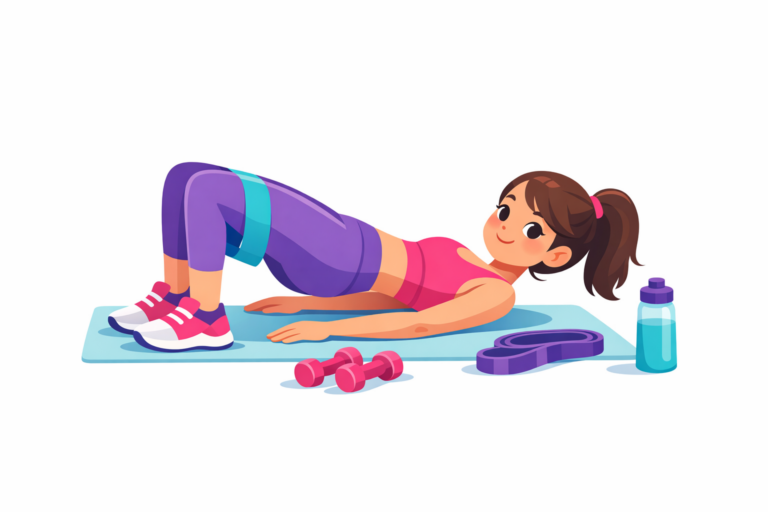
- Form snapshots for bridges, pull-aparts, and banded rows with simple alignment cues.
How to use our quick charts
- Start with your goal and baseline strength, then find the suggested band category.
- Cross-check with your height and the exercise range of motion.
- Adjust one step up or down based on your rep test and whether the band rolls or bites.
Your next small step
- Grab any band you have. Do 10 slow band pull-aparts, ribs down, no shrug. If you can’t pause the last rep for one second, you need a lighter band for shoulder work. If you breeze past 15, size up.
- Jot your result. That’s your anchor for picking the right resistance category across the rest of this guide.
Supplies that make this easier
You can follow this guide with whatever bands you already own. If you want a set that matches the steps we teach, these fit the jobs we talk about.
General-purpose loop set

Build strength anywhere with 5 latex bands (10-40 lb). Skin-friendly, snap-resistant, and travel-ready with a tote and guide, great for full-body toning or rehab. Pick yours.
$6.99 on Amazon
Price and availability are accurate as of 09/12/2026 12:38 am GMT and are subject to change.
If you want one simple kit to cover warm-ups, glute work, and light strength, Exercise Loop Bands with 5 Resistance Levels for Legs, Glutes & Home Workouts lines up with our TL;DR picks. Use the lighter loops for shoulder work and pull-aparts, then level up to medium or heavy for bridges and lateral walks. It’s also perfect for our at-home tests like reps-to-failure on rows and the squat-depth tension check.
Therapy and rehab strips

Allergy-friendly, non-latex bands with 5 levels (5-30 lb). Extra long/wide for comfy full-body or rehab moves. Lightweight with pouch, so training goes anywhere.
$19.98 on Amazon
Price and availability are accurate as of 09/12/2026 05:46 am GMT and are subject to change.
These non-latex strips match our mobility and rehab guidance. They’re smoother through the range and easy to cut to the length you need for shoulder external rotations, face pulls, and gentle rows. Use the lighter two levels for 12–20 clean reps without pain, then step up one color when you can pause the last rep.
Mini loops for walks

Build stronger glutes and legs anywhere with this 3-level mini band set—durable, comfy, and great for any level. Plus, you get a handy exercise guide to start fast.
$11.69 on Amazon
Price and availability are accurate as of 09/11/2026 10:17 pm GMT and are subject to change.
This 3-pack is a clean fit for our glute bridge and lateral walk picks. Keep light for warm-ups, medium for activation circuits, and heavy for short, spicy sets. Toss them in your bag for travel days when you want quick hip work without fuss.
Pull-up and heavy assist

Built-to-last 100% latex bands for 200+ moves. 41in loops with resistances from light to monster. Want pull-up progress? Use the guide and train anywhere.
$12.95 on Amazon
Price and availability are accurate as of 09/12/2026 05:57 am GMT and are subject to change.
When you’re testing assisted pull-ups or need real tension for deadlift lockouts, Rubberbanditz Heavy-Duty Pull-Up Assist Band (Red) gives sturdy, predictable resistance. Pair it with our assisted-pull-up checklist: pick a band that lets you do 3–6 clean reps without knee swing, then size down as you get stronger.
FAQ
Setup & sizing
Q: How do I know if a band is too light or too heavy?
A: Use the 8–12 rep check. If you can’t hit 8 clean reps without shrugging or swinging, it’s too heavy. If you breeze past 12 and could keep going, it’s too light. You should be able to pause the last rep for 1–2 seconds with control and no pinchy joints.
Q: My loop band rolls up or bites my thighs. What should I change?
A: Go wider or lighter. Fabric loops roll less than thin latex. Place it a bit higher on the thighs for walks and squats. Slow your reps, keep tension at the start, and don’t let the knees cave. If it still rolls, size up in width or switch to a lighter band.
Safety & durability
Q: When should I replace a resistance band, and how do I inspect it?
A: Replace at the first sign of cracking, tears, fraying, chalky whitening, sticky spots, or uneven thickness. Stretch the band 2–3 times its length and look for thin lines or splits. Store out of sun and heat. For heavy weekly use, expect 6–18 months depending on material and care.
Training & progress
Q: Can I build muscle with bands, and how do I progress week to week?
A: Yes. Train 2–4 days a week, hit 6–20 reps per set, and take 1–3 reps shy of failure. Progress by one change at a time: add 1–3 reps, add a set, slow the negative to 3 seconds, or move up one band. If form breaks or joints ache, back off and add control before adding load.
If you’ve felt lost staring at a wall of colored bands, you’re not alone. The trick is simple. Match the band type to the move, then use quick tests to dial in resistance that feels challenging but controllable.
Lean on feel. Eight to twelve clean reps with steady tension and no joint pinching is your sweet spot for most goals. If it rolls up or bites, size up or go wider. If you breeze past 15 reps, go heavier. If you can’t hit 6 smooth reps, drop down.
Start small. One loop set for glutes, one tube with handles for rows and presses, and one long therapy band for mobility covers a lot. Build from there as your strength and confidence grow.
FAQs
Are resistance band sizes standardized?
No. Colors and labels like light or heavy vary by brand. Always check the brand’s chart for width, thickness, and estimated resistance at stretch. Better yet, measure your band and test it on a real movement.
Can I build muscle with bands?
Yes. Use enough resistance to reach technical failure in 8 to 15 reps, control the lowering phase for 2 to 3 seconds, and take sets close to fatigue. Bands shine for glutes, back, shoulders, and arms. For heavy legs or deadlifts, you may stack bands or pair with weights.
How many bands should I own?
For most people, three to five bands is perfect. Think light, medium, and heavy in your main style, plus one specialty pick. Example: light and medium loop bands for glutes, a medium tube with handles for rows and presses, and a long therapy band for mobility and face pulls.
What if my band keeps rolling or pinching?
Try a wider loop, move the band slightly higher or lower on the limb, or go a bit lighter. Fabric loops grip skin and leggings well for lateral walks and bridges. Latex loops are smoother for high-rep work and travel well.
How do I know when to replace a band?
Inspect monthly. If you see cracks, thinning, sticky spots, or nicks near the edges, retire it. High-use latex loops often last 6 to 18 months. Store bands out of sun and heat to stretch their lifespan.
I have joint pain or hypermobility. What should I do differently?
Pick lighter bands, slow your tempo, and avoid end-range yanking. Keep tension smooth, stop a rep early if you feel joint pressure, and use anchors to set safer lines of pull. If you’re postpartum, rehabbing, or unsure, check with a pro and start gentler than you think.
Helpful visuals and next steps
Week-one action plan
- Pick your primary type for each goal: loop for glutes and lower body, tube with handles for rows and presses, long flat therapy band for mobility and cuff work.
- Measure what you own. Note loop circumference or band length, width, and estimated range.
- Run two feel tests: 8 to 12 controlled reps for a row and for a glute bridge. Note where form breaks.
- Adjust one size up or down based on those reps. If you hit 15 clean, go heavier. If you fail before 6, go lighter.
- Choose two band moves you’ll repeat this week. Log band color or thickness, reps, and a 1 to 10 effort rating.
- Set a mini progression for next week. Add 1 to 3 reps or a little thicker band on one move.
- Do a 30-second safety scan before each session. Check for tears, rough edges, or slipping anchors.
Decision recap at a glance
- Glute activation and walks: medium fabric or wider latex loop.
- Rows, presses, curls, triceps: tube with handles, start medium.
- Mobility, pull-aparts, rotator cuff: long flat therapy band, light to medium.
- Assisted pull-ups and heavy adds to lifts: long latex loop, choose the lightest band that still helps you hit 4 to 8 clean reps.
A note on visuals and charts in this guide
Use the sizing tables and example resistance ranges above to cross-check colors and widths. The measurement diagrams show exactly where to measure loop circumference and unstretched length. When in doubt, rely on the feel tests. Charts get you close. Your body gives you the real answer.
Small next step: swap one band on one move this week and retest your 8 to 12 clean reps. Jot how it felt. That’s how you dial it in, one set at a time.


Leave a Comment